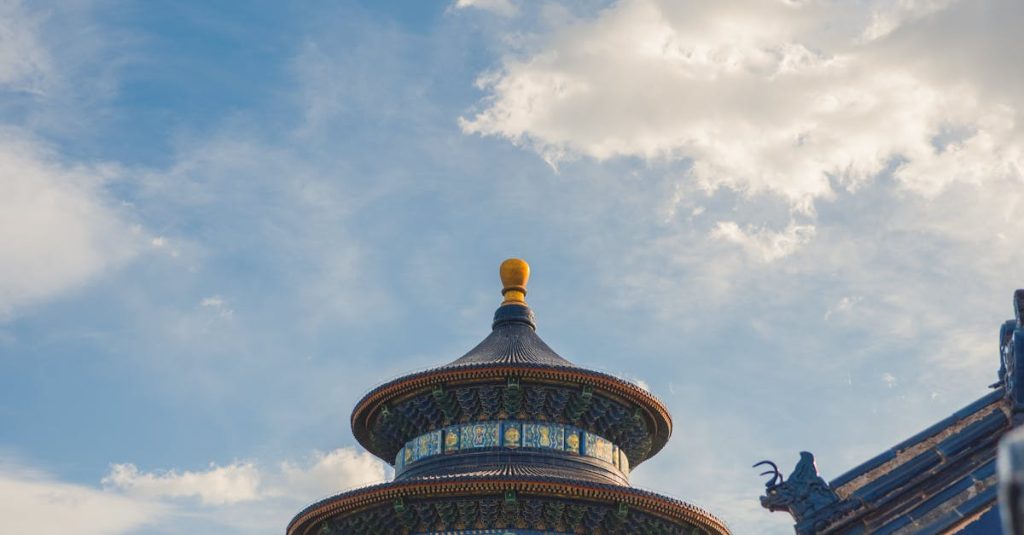
Welcome to your comprehensive guide to exploring China’s extraordinary cities. From the ancient capital of Beijing with its Forbidden City and Great Wall to the ultramodern skyline of Shanghai, from the ancient armies of Xi’an to the giant pandas of Chengdu — China offers some of the world’s most diverse and rewarding urban travel destinations.
Why Visit China’s Cities?
China is the world’s fourth-largest country by area and its most populous nation — a land of extraordinary geographical diversity and cultural complexity. Its cities range from ancient capitals with 3,000 years of continuous history to gleaming 21st-century metropolises that define the word “modern.” No other country on Earth offers such a dramatic range of travel experiences within a single national border.
Major City Destinations
- Beijing (北京): China’s capital and cultural heart. Home to the Forbidden City, Temple of Heaven, Summer Palace, and the Great Wall’s most dramatic sections. A city where 1,000 years of imperial history meets a vibrant modern capital.
- Shanghai (上海): China’s commercial center and most international city. The Bund’s colonial architecture, Pudong’s futuristic skyline, and a food scene that ranges from street xiaolongbao to Michelin-starred restaurants.
- Xi’an (西安): The ancient capital of thirteen dynasties. Home to the Terracotta Army, the Old City Walls, the Great Wild Goose Pagoda, and a Muslim Quarter famous for hand-pulled noodles.
- Chengdu (成都): The gateway to Sichuan province and the world’s most populous nation of giant pandas. Known for its laid-back tea house culture, spicy hot pot, and as the home of Sichuan opera.
- Guangzhou (广州): The birthplace of Cantonese cuisine. A historic port city with a vibrant food culture that invented dim sum and continues to serve the best morning tea in the world.
- Hangzhou (杭州): Famous for West Lake — perhaps China’s most beautiful urban landscape. A city of poets, silk, and tea with exceptional quality of life.
Hidden Gem Cities
- Zhangjiajie: Avatar’s inspiration — towering sandstone pillars covered in vegetation.
- Guilin: Karst landscape so iconic it appears on the back of China’s 20-yuan note.
- Pingyao: One of the best-preserved ancient cities in China, a UNESCO site frozen in time.
- Dali: A backpackger favorite — Naxi culture, Erhai Lake, and relaxed old town atmosphere.
- Dunhuang: The gateway to the Silk Road — Mogao Caves’ Buddhist art is among humanity’s greatest treasures.
Practical Information
- Best Time to Visit: Spring (April-May) and Autumn (September-October) offer the most comfortable weather. Summer can be extremely hot; winter is cold in the north.
- Getting Around: China’s high-speed rail network is the world’s largest. Domestic flights are affordable. Metro systems in major cities are modern and extensive.
- Accommodation: From capsule hotels to palace-style heritage properties, China’s accommodation options cater to every budget and style.
City Food Culture
Every Chinese city has a distinct food personality. Beijing is famous for Peking duck and imperial cuisine. Shanghai offers hairy crabs and red-braised pork. Chengdu is the capital of Sichuan cuisine. Guangzhou invented dim sum. Xi’an’s biangbiang noodles are legendary. Understanding a city’s food is understanding its soul.
Last updated: April 2026 | Author: Cyber China Editorial Team