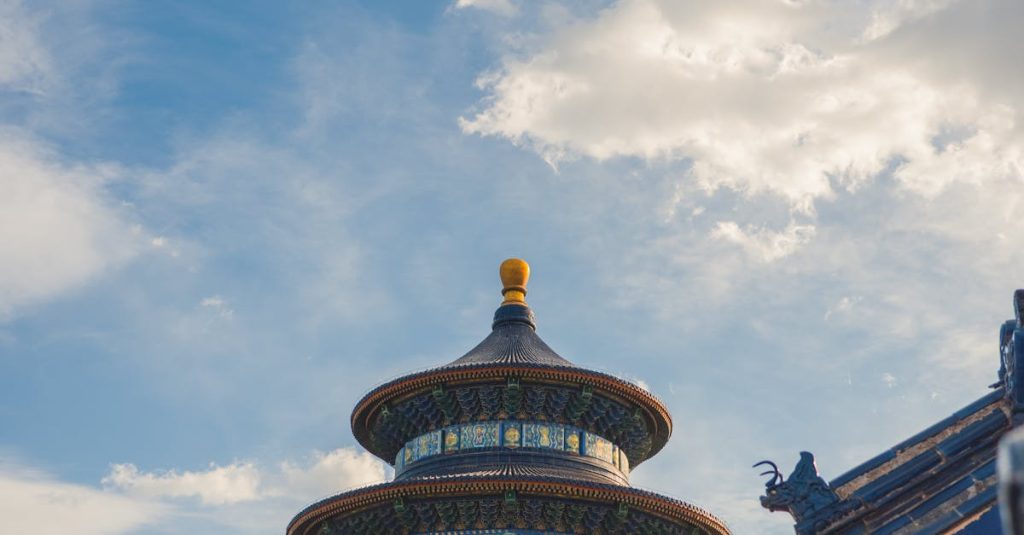
This comprehensive guide to Chinese culture provides an in-depth exploration of one of the world’s oldest and most influential civilizations. With 5,000 years of recorded history, China has developed cultural traditions — from philosophy and art to festivals and customs — that continue to shape one-quarter of humanity and influence every corner of the globe.
What Is Chinese Culture?
Chinese culture encompasses the accumulated intellectual, artistic, spiritual, and social achievements of Chinese civilization. It is characterized by a profound respect for tradition, a pragmatic orientation toward the material world, a sophisticated philosophical tradition that has no parallel in depth and continuity, and an extraordinary artistic heritage spanning painting, calligraphy, ceramics, music, and literature.
Chinese Philosophy: The Three Teachings
The intellectual foundation of Chinese civilization rests on what are known as the “Three Teachings” (三教):
- Confucianism (儒家): The social philosophy of Confucius (551–479 BCE), emphasizing filial piety, social harmony, education, and moral cultivation. Confucian values still underpin family structures, education systems, and governance throughout East Asia.
- Daoism (道家): Rooted in the Tao Te Ching attributed to Laozi, Daoism emphasizes living in harmony with the Tao (the Way), spontaneity, simplicity, and following nature.
- Buddhism (佛教): Arriving from India around the 1st century CE, Buddhism was transformed by Chinese practitioners into Chan (Zen) Buddhism — a unique synthesis that became one of China’s most influential spiritual traditions.
Major Chinese Festivals
- Chinese New Year (春节): The most important festival — a 15-day celebration of family, food, fireworks, and ancient traditions marking the start of the lunar calendar.
- Mid-Autumn Festival (中秋节): Moon cakes, lanterns, family reunions, and moon-watching under the harvest moon.
- Dragon Boat Festival (端午节): Commemorating poet Qu Yuan with zongzi dumplings and dramatic dragon boat races.
- Qingming Festival (清明节): Tomb-sweeping day — honoring ancestors with visits to gravesites and spring outings.
- Double Ninth Festival (重阳节): A day for respecting elders and climbing high places.
Traditional Chinese Arts
- Calligraphy (书法): One of the highest art forms in China — the art of brush writing has been practiced for over 2,000 years.
- Chinese Painting (国画): Including ink wash painting and gongbi (meticulous) style, with unique philosophical approaches to representation.
- Chinese Opera (京剧): A synthesis of song, speech, dance, and martial arts with elaborate costumes and stylized expression.
- Chinese Knotting (中国结): Decorative knotwork with origins in ancient rituals, now a beloved folk art.
Core Chinese Customs
Chinese society is structured around customs that express respect, build social bonds, and honor ancestors: the giving of red envelopes (hongbao), the offering of food to ancestors, the practice of tea ceremony, the symbolic shapes and colors of gifts, and the elaborate rituals surrounding weddings, birthdays, and funerals.
World Heritage Sites
China has 59 UNESCO World Heritage Sites — the second most of any country in the world. From the Great Wall and Forbidden City to the landscapes of Guilin and the ancient towns of Suzhou, these sites represent the physical embodiment of Chinese cultural achievement.
Last updated: April 2026 | Author: Cyber China Editorial Team