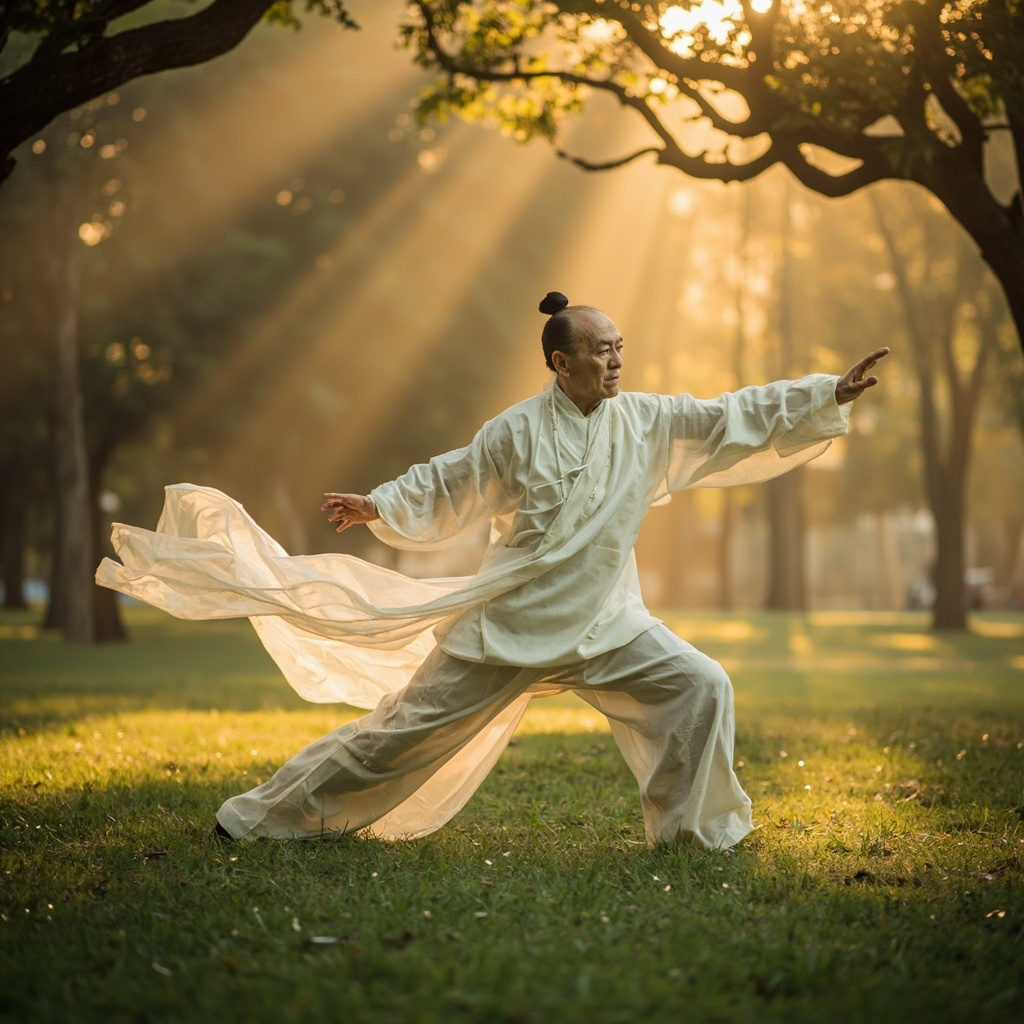
Tai Chi: The Art of Moving Meditation
Welcome to an in-depth exploration of Tai Chi: The Art of Moving Meditation. This comprehensive guide will take you through everything you need to know about this fascinating aspect of Kung Fu.

Introduction and History
The story of Tai Chi: The Art of Moving Meditation begins centuries ago, deeply rooted in the rich cultural heritage of China. This tradition has been passed down through generations, evolving while maintaining its core essence and significance in Chinese society.
Understanding Tai Chi: The Art of Moving Meditation requires appreciating the historical context in which it developed. From ancient dynasties to modern times, this aspect of Chinese culture has played a significant role in shaping the nation’s identity and continues to influence contemporary practices.
Cultural Significance
In Chinese culture, Tai Chi: The Art of Moving Meditation represents more than just a practice or tradition. It embodies the philosophical principles that have guided Chinese civilization for thousands of years, including harmony, balance, and respect for tradition.
The cultural importance of Tai Chi: The Art of Moving Meditation extends beyond China’s borders, influencing neighboring countries and gaining appreciation worldwide. Today, it serves as a bridge between East and West, helping people from different backgrounds understand and appreciate Chinese heritage.
Key Elements and Characteristics
Several defining characteristics make Tai Chi: The Art of Moving Meditation unique and significant. These elements have been refined over centuries, creating a distinctive identity that sets it apart from similar practices in other cultures.
The attention to detail, the emphasis on authenticity, and the deep respect for tradition are hallmarks of Tai Chi: The Art of Moving Meditation. Practitioners spend years mastering the fundamental principles before advancing to more complex aspects.
Regional Variations
Like many aspects of Chinese culture, Tai Chi: The Art of Moving Meditation exhibits fascinating regional variations across China’s vast landscape. Different provinces and cities have developed their own unique approaches, influenced by local history, climate, and available resources.
These regional differences add depth and diversity to Tai Chi: The Art of Moving Meditation, making it a rich field of study for enthusiasts and scholars alike. Exploring these variations offers insights into China’s geographical and cultural diversity.
Modern Adaptations
In contemporary China, Tai Chi: The Art of Moving Meditation has adapted to modern lifestyles while preserving its traditional essence. Younger generations are finding new ways to engage with this heritage, blending ancient wisdom with modern sensibilities.
Technology and globalization have also influenced how Tai Chi: The Art of Moving Meditation is practiced and shared today. Social media platforms allow practitioners to connect, share knowledge, and inspire others around the world.
Practical Applications
For those interested in experiencing Tai Chi: The Art of Moving Meditation firsthand, there are numerous ways to engage with this tradition. Whether through formal study, casual participation, or appreciation as an observer, the accessibility of Tai Chi: The Art of Moving Meditation has increased significantly in recent years.
Many cities in China now offer opportunities for visitors to learn about and participate in Tai Chi: The Art of Moving Meditation. These experiences provide valuable cultural insights and create lasting memories for travelers.
Conclusion
Tai Chi: The Art of Moving Meditation remains a vital part of China’s cultural heritage, continuing to evolve while maintaining its traditional roots. As interest in Chinese culture grows globally, understanding and appreciating Tai Chi: The Art of Moving Meditation becomes increasingly valuable.
Whether you are a serious student of Chinese culture or a curious traveler, exploring Tai Chi: The Art of Moving Meditation offers a window into the depth and richness of Chinese civilization. We hope this guide has provided you with valuable insights and inspires you to learn more.
Have you experienced Tai Chi: The Art of Moving Meditation during your travels in China? Share your thoughts and experiences in the comments below!