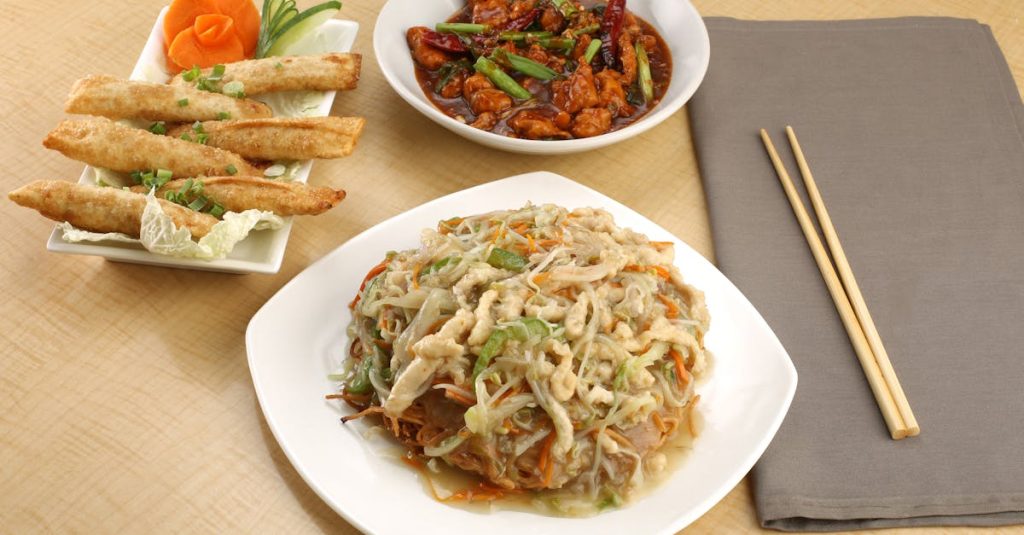
What separates great Chinese cooking from merely good cooking is attention to detail — the right texture, the right temperature, the right moment to stop.

Introduction to Glutinous Rice Ball
What separates great Chinese cooking from merely good cooking is attention to detail — the right texture, the right temperature, the right moment to stop.
This guide focuses specifically on glutinous rice ball — examining what makes it significant, how to engage with it as a visitor or enthusiast, and why it continues to attract attention from people around the world. Whether you are a first-time visitor to China or a seasoned traveler, there is something here that will deepen your understanding and sharpen your appreciation.
The Background and Context of Glutinous Rice Ball
To appreciate glutinous rice ball fully, it helps to understand the broader context in which it exists. China’s history spans more than five thousand years, and much of what travelers encounter today — whether food, art, architecture, or social custom — carries traces of that long, layered past.
The region and community associated with glutinous rice ball developed its particular character through a combination of geography, climate, economic conditions, and cultural exchange. Over centuries, practices were refined, techniques were passed down, and what began as practical necessity became something approaching art.
Key Features That Define Glutinous Rice Ball
What sets glutinous rice ball apart from similar experiences elsewhere? First, there is the quality of accumulated expertise — generations of practitioners, cooks, teachers, or craftspeople have progressively refined a set of skills and standards that are difficult to replicate without long immersion.
Second, there is the social dimension. In China, very few things exist in isolation — glutinous rice ball is embedded in relationships, rituals, and seasonal rhythms that give it meaning beyond its immediate form. Understanding this social layer is what separates the casual observer from the genuine appreciator.
How to Experience Glutinous Rice Ball Like a Local
The best way to engage with glutinous rice ball is to follow the lead of people who grew up with it. Locals have an instinctive sense of quality — they know which vendors are worth the queue, which seasons produce the best results, and which details separate the authentic from the imitation.
Practical advice: arrive without rigid expectations. The most memorable encounters with glutinous rice ball tend to happen spontaneously — an invitation from a shopkeeper, a demonstration by a passing artisan, or a tasting that opens up an entirely new flavor vocabulary.

Regional and Seasonal Variations
One of the pleasures of exploring glutinous rice ball across China is discovering how dramatically it can vary from one province to another. What goes by the same name in Beijing and Guangzhou may be almost unrecognizable in its ingredients, presentation, or cultural meaning.
Seasonality adds another layer of variety. Spring, summer, autumn, and winter each bring their own version of glutinous rice ball, shaped by ingredient availability, festival calendars, and centuries of tradition about what is appropriate to eat, wear, practice, or celebrate at different times of year.
Common Misconceptions About Glutinous Rice Ball
International visitors sometimes arrive with preconceptions about glutinous rice ball shaped by overseas Chinese restaurants, Hollywood depictions, or social media. The reality on the ground is almost always richer, stranger, and more interesting.
Among the most common misconceptions: that it is uniform (it is enormously varied), that it is inaccessible without speaking Chinese (often untrue), and that the best examples require expensive travel to remote locations (frequently the opposite — remarkable quality often exists right in everyday neighborhoods).
Practical Tips for Visitors
A few practical notes for anyone planning to explore glutinous rice ball in China. Timing matters: early morning and late afternoon are usually when street vendors and small workshops are most active and most willing to engage with curious visitors.
Translation apps have transformed the traveler’s experience. Even basic Mandarin phrases earn genuine goodwill, but modern translation technology has made it possible to have surprisingly deep conversations about glutinous rice ball with specialists who speak no English. Approach every interaction as a potential learning opportunity — most people are delighted to share their expertise.

Why Glutinous Rice Ball Matters Beyond China
The global interest in glutinous rice ball reflects a broader hunger for depth — for practices that have been tested over centuries rather than invented last season. In a world saturated with novelty, the genuine article commands increasing respect and attention.
For travelers, engaging seriously with glutinous rice ball offers something beyond tourism: a genuine point of connection with Chinese people and their history. These connections, however brief, are what make international travel meaningful — and what brings people back to China, again and again, looking for more.
Whether you are planning your first trip to China or your tenth, glutinous rice ball is the kind of subject that rewards deeper exploration. We hope this guide has given you both practical information and a sense of the richness that awaits. China is full of discoveries like this one — and every discovery leads to another.