
The greatest Kung Fu masters are unanimous on one point: the art is never mastered, only deepened, and the deeper you go, the more there is to find.

Why Weapons Training Basics Matters in China
Among the countless fascinating aspects of Chinese civilization, weapons training basics stands out as particularly worthy of attention. It sits at a crossroads of history, culture, and everyday life — touching the lives of ordinary Chinese people in ways that outsiders often underestimate or simply never see.
For travelers, researchers, food enthusiasts, and anyone curious about how China actually works, weapons training basics offers an extraordinary window. It is one of those subjects where the more you know, the more you realize there is still to know — a quality that keeps drawing people back again and again.
The Origins and Evolution of Weapons Training Basics
Tracing the origins of weapons training basics requires journeying back through Chinese history to periods when the country looked very different from today. The earliest documented references appear in texts and material culture dating back well over a thousand years, though the practice itself almost certainly predates the written record.
Over the centuries, weapons training basics absorbed influences from internal Chinese migration patterns, trade along the Silk Road, the patronage of successive dynasties, and the creative energy of countless anonymous practitioners and innovators. The result is something that feels both ancient and alive — rooted deeply in the past while continuing to grow.
What Makes Weapons Training Basics Unique
The distinctiveness of weapons training basics is not accidental. It reflects a specific combination of environmental factors, cultural values, and accumulated expertise that developed over long periods in particular Chinese contexts. Remove any one of these elements and you would have something fundamentally different.
Experts who have spent years studying weapons training basics identify several key qualities that consistently appear across its many variations: a strong sense of balance and proportion, a preference for natural materials and methods, a respect for the process as much as the outcome, and an underlying aesthetic sensibility that values subtlety over spectacle.
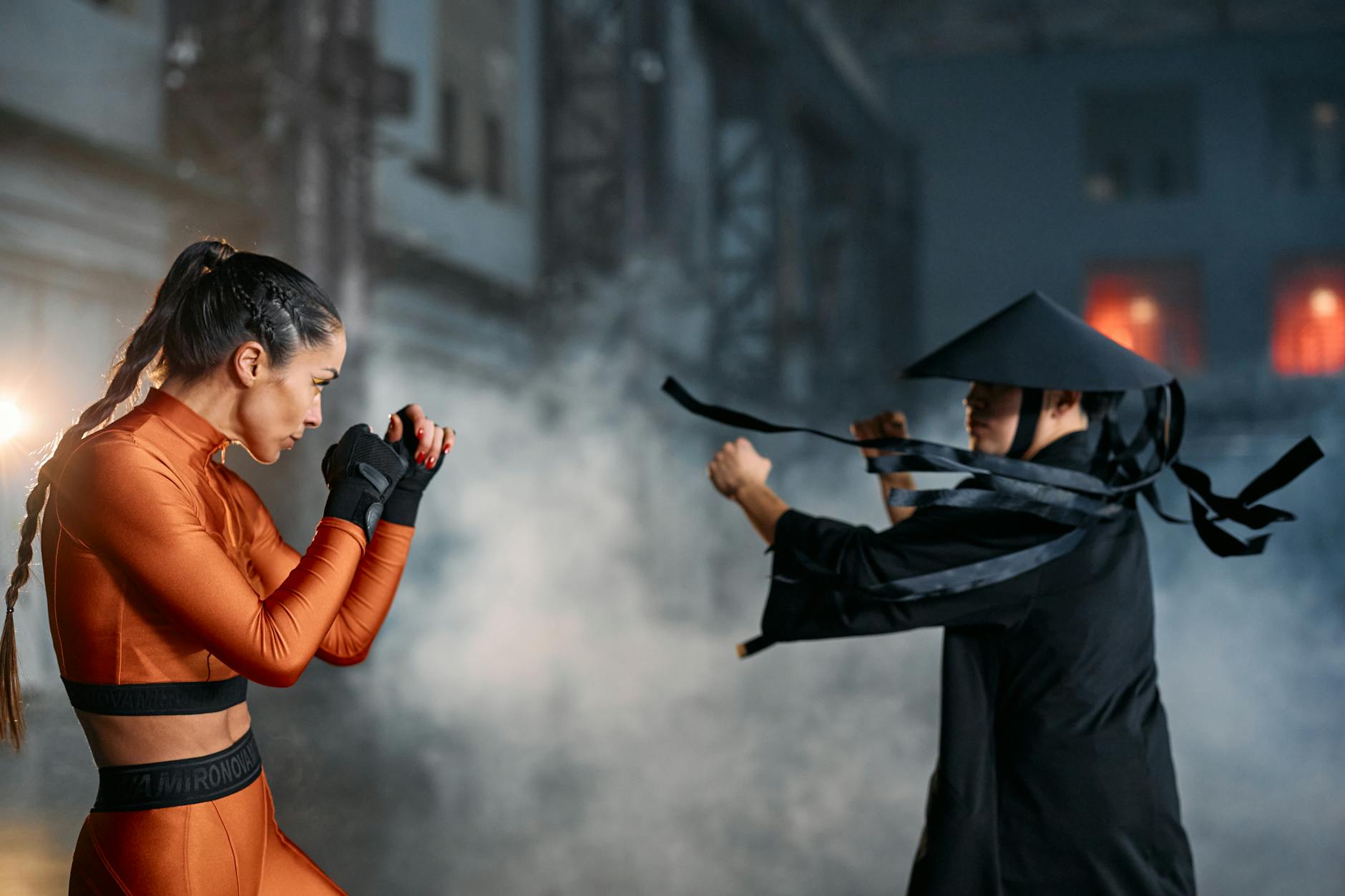
Regional Expressions of Weapons Training Basics
One of the most rewarding aspects of exploring weapons training basics is discovering how dramatically it varies across China’s different regions. The country’s enormous geographical diversity — from tropical south to frozen north, from Pacific coastline to Himalayan plateau — has produced equally diverse approaches to nearly everything, including weapons training basics.
Seasoned travelers who have explored multiple Chinese regions consistently remark on how this regional diversity enriches their understanding of weapons training basics as a whole. What seems like a single subject reveals itself as a family of related but distinct traditions, each with its own vocabulary, its own logic, and its own devoted practitioners.
The People Behind Weapons Training Basics
No treatment of weapons training basics is complete without acknowledging the human beings who have devoted themselves to it — the masters, the apprentices, the everyday practitioners, and the countless unnamed contributors whose cumulative efforts produced what we see and experience today.
Meeting these people, if you are lucky enough to do so, transforms your relationship with weapons training basics completely. Abstract knowledge becomes personal connection. Historical facts become living stories. The thing itself — whatever form it takes — becomes inseparable from the human community that sustains it and passes it on.
Experiencing Weapons Training Basics as a Visitor
For international visitors, encountering weapons training basics in China is often a highlight of the entire trip. The combination of novelty, depth, and genuine hospitality that characterizes the best experiences creates memories that visitors carry home and return to for years afterward.
To get the most from your encounter with weapons training basics, a few practical principles apply. Come with curiosity rather than preconceptions. Be willing to go slowly and ask questions. Seek out authentic contexts rather than tourist-facing presentations. And above all, be open to being surprised — China’s capacity to defy expectations is one of its most enduring and wonderful qualities.
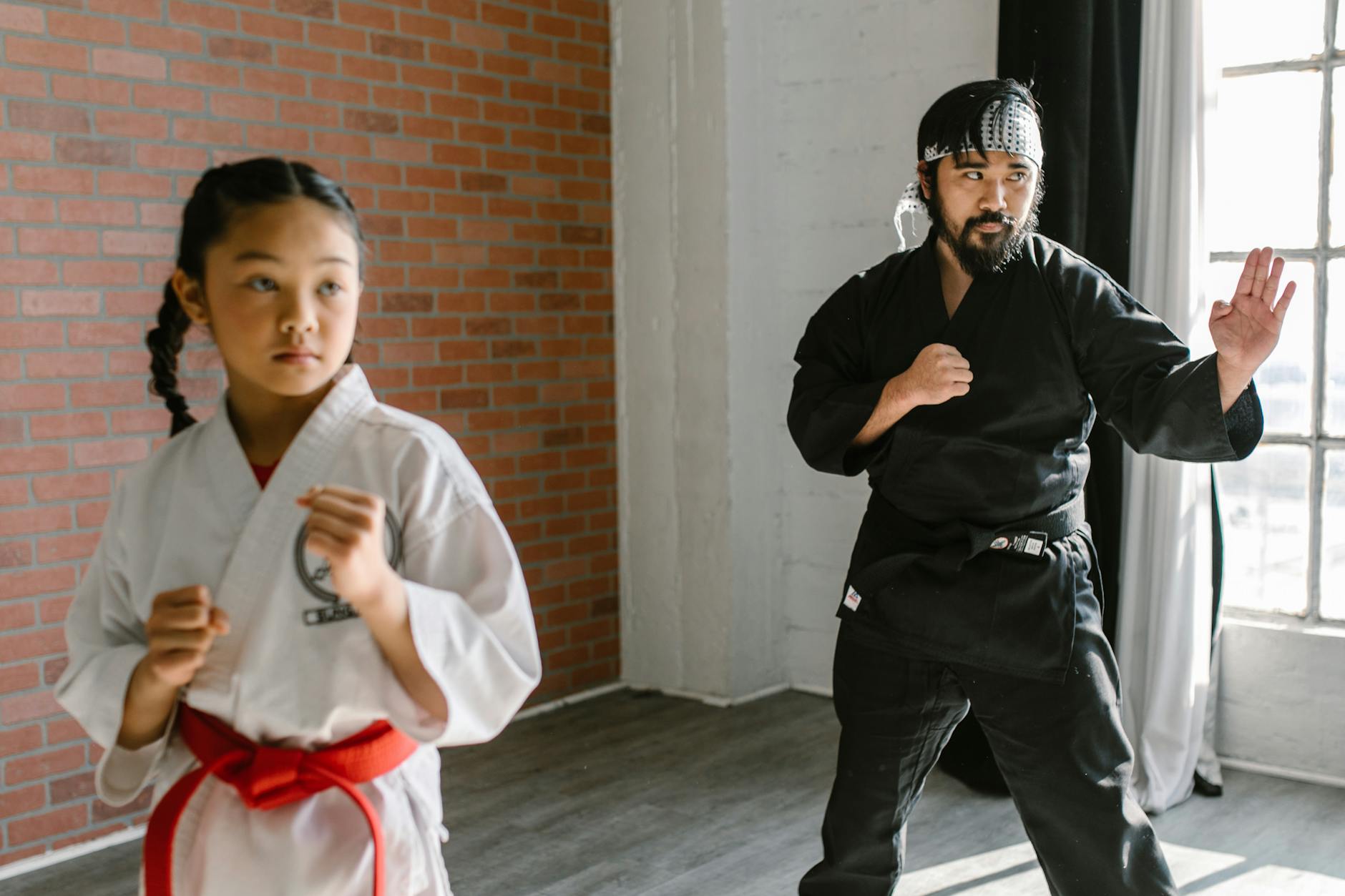
The Future of Weapons Training Basics in China
What does the future hold for weapons training basics in a rapidly changing China? The question is one that scholars, practitioners, and cultural observers debate with considerable energy and genuine concern. The forces of globalization, urbanization, and technological change are reshaping every aspect of Chinese life, and weapons training basics is not immune.
Yet the signs of resilience are equally compelling. A younger generation of Chinese people is showing renewed interest in traditional culture, driven partly by national pride and partly by a genuine appreciation for what their heritage offers in a world of rapid change. International interest continues to grow. And the core human needs that weapons training basics addresses — for beauty, meaning, community, and connection — show no signs of diminishing.
Conclusion: Weapons Training Basics as a Gateway to China
We have journeyed through the history, culture, regional diversity, and contemporary relevance of weapons training basics — and we have only scratched the surface. That is the nature of truly rich subjects: the deeper you go, the more you find, and the more you find, the more you want to keep going.
At Cyber China, we believe that subjects like weapons training basics are among the best possible gateways into understanding China — not the China of headlines and geopolitics, but the living China of extraordinary people, ancient wisdom, boundless creativity, and unshakeable cultural confidence.
Wherever your interest in weapons training basics takes you next, we hope this guide has given you a solid foundation and a genuine appetite for more. China is waiting — and it has more to offer than you can possibly imagine.