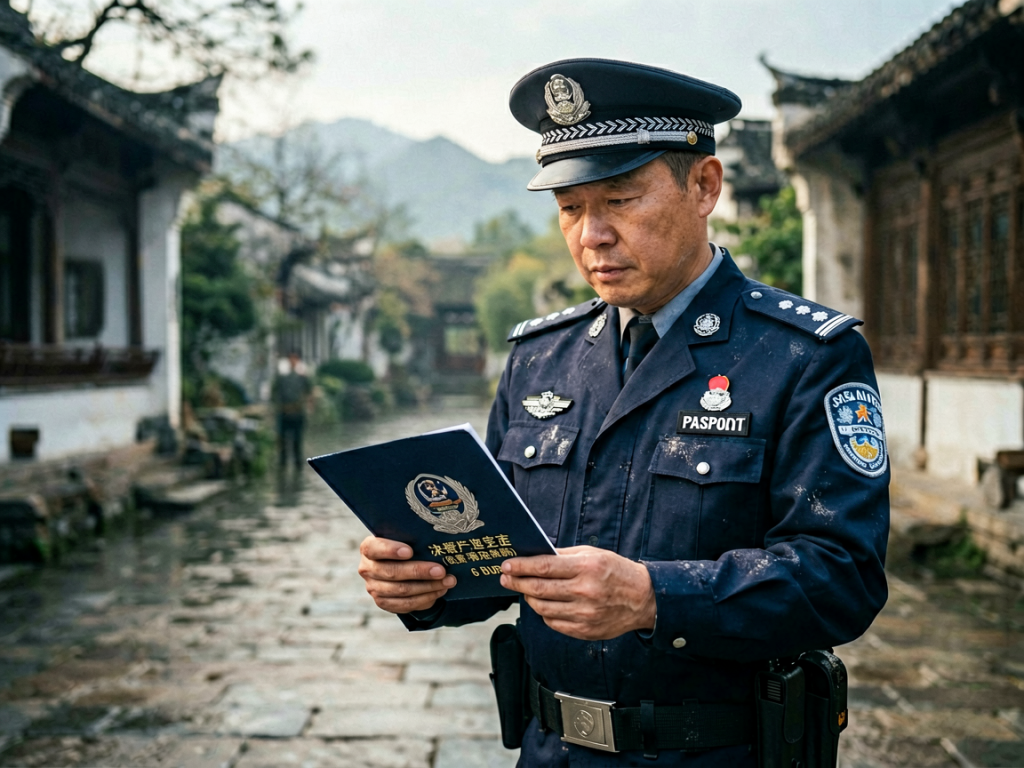
I’ll never forget the exact moment my heart stopped. It was a humid July evening in Chongqing, and I was just trying to grab some spicy skewers near my apartment. Two officers in crisp uniforms stepped off the wet pavement and held out their hands. They didn’t say much. They just waited.
I froze completely. My phone felt unusually heavy in my jacket pocket. I’d read plenty of horror stories about foreigners getting detained for minor paperwork issues. I’d even watched a guy get gently escorted into a nearby station last winter. But this was just a standard street check. Sound interesting?
Most expats I talk to panic the second those blue uniforms appear. They scramble through canvas backpacks, apologize in broken Mandarin, and suddenly look like guilty suspects. Here’s the truth though. Police ID checks happen constantly across China. They’re usually totally mundane. You just need to know how to handle them without wasting half your day.
I’ve lived here for eight years now, and I’ve been stopped dozens of times. Some interactions went smoothly. Others turned into frustrating delays that ruined my evening. I learned pretty quick that knowing exactly what to do makes all the difference. Let me walk you through six rules that’ll keep you out of a detention room.
Keep Your Original Passport Locked Up Safe
Rule number one sounds painfully obvious, but you’d be surprised how many people get it completely wrong. You absolutely need your physical passport on you when you head out. Leaving the original in your hotel safe might seem smart, but carrying just a photocopy is a terrible plan during an official stop.
I remember running into a coworker named Mark outside a subway station in Shanghai. He pulled out a laminated copy and grinned like everything was totally fine. The officer didn’t even blink. He just pointed toward the nearest police box. Mark spent four hours there explaining why he couldn’t produce the real thing.
Don’t make that mistake. Hotels and hostels in China usually hold your passport anyway, so grab it before you leave. Keep it in a secure inner pocket. It takes two seconds to pull out and hand over. That’s it. Simple, right?
Some folks try to flash a screenshot from their banking app. I get why you’d want to protect your documents. But police systems don’t run on screenshots. They need the actual booklet with the visa sticker and entry stamp. Trust me, the moment you show a photo, the whole vibe shifts. You go from casual passerby to person of interest.
Know Your Temporary Residence Registration Inside Out
Carrying the passport is only half the battle. The other half is proving where you’re actually sleeping. Every foreigner in China has to register within twenty-four hours of arriving. That means your hostel, hotel, or landlord must submit your info to the local police bureau.
I used to think that slip of paper was just bureaucratic noise. Then I stayed at a budget guesthouse in Xi’an that forgot to register me. A random checkpoint caught me three days later, and I had to trek back to the same hotel to fix it. My friend Sarah didn’t even bother going back. She ended up sitting on a hard plastic chair for six hours while they sorted it out.
Always carry that Temporary Registration Form when you travel outside your home city. The form looks like a plain white receipt. It’s got your name, passport number, and the exact address they checked you in at. Keep it in the same place as your passport. Officers will glance at both at the exact same time.
If you’re staying at a proper hotel, they usually keep a copy on file. But carrying the physical form is still your best bet. It saves you from awkward phone calls while you’re standing on a busy street corner. I’ve found it’s easier than you’d expect once you make it a habit. Just treat it like your driver’s license back home.
Stay Calm and Hand Over Documents Without a Word
When those officers approach, your body language says everything. I’ve watched nervous travelers suddenly launch into frantic English explanations. They start talking about their travel plans, their return flights, and why they didn’t mean to walk past that particular intersection. It never helps.
Instead, just stand still. Smile politely. Pull out your passport and registration slip without making a scene. Hand them both at the same time. I’ll be honest, most officers barely look at the documents. They’re scanning for discrepancies, checking expiration dates, and sometimes just tapping the info into a handheld terminal.
Their main goal isn’t to catch you doing something wrong. They’re just ticking boxes. Routine checks keep the system running smoothly. I’ve noticed the same thing happening in Beijing, Guangzhou, and even small towns like Lijiang. The procedure stays identical. You just need to match their pace.
Arguments or loud appeals to authority only slow things down. One time, a tourist started insisting he had diplomatic immunity. The officer just sighed, wrote down his name, and told him to come to the station next morning. Lesson learned. I always just hand over the papers and step back. It’s faster and way less stressful.
Digital Copies Are Great Until They Aren’t
We live in a world where everything exists in the cloud. I’ve got cloud backups of my passport, my visas, and even my emergency contacts. I love having them accessible from my laptop. But let me tell you when those digital files completely fall apart.
They fall apart the second a street checkpoint happens. I tried showing a clear PDF on my tablet once in Hangzhou. The officer tapped his pen against the desk and shook his head. He needed the physical booklet. No exceptions. I stood there looking ridiculous while two guys on bicycles laughed quietly.
Keep the digital copies for emergencies, obviously. They’re perfect if you misplace your actual passport inside a crowded market. But during an official ID check, your phone is basically a coaster. I used to think tech would solve this headache. I was honestly skeptical at first. Turns out, traditional bureaucracy moves slower than modern convenience.
So store those files safely, but never assume they’ll replace the real thing. It’s better than most alternatives when you’re dealing with local regulations. Just accept that paper still wins every single time. I’ve stopped fighting it entirely. I just carry the originals like everyone else does.
Understand Why They Actually Ask
People always wonder if a checkpoint means they’re being targeted. I used to panic every time I saw the red lights spinning on a patrol car. But after living here long enough, I realized these stops are mostly random. They’re rotating through neighborhoods, checking addresses, and verifying visas.
I spent an afternoon chatting with a local security manager near my old office in Shenzhen. He explained how the system actually works. Officers get assigned zones. They walk the beat for an hour, ask for IDs, and log everything. Once they hit a certain quota, they rotate to the next block. That’s it.
There’s rarely any hidden agenda behind a simple passport request. They’re just maintaining records. I’ve even seen them ask for documents inside quiet residential compounds. The officers aren’t judging you. They’re doing their job. Recognizing that changes your entire mindset.
You stop feeling like a suspect and start acting like a regular resident. It makes the whole interaction feel less intense. I’ve noticed my pulse stays steady now. I just hand over my papers, nod politely, and keep walking. It’s a massive mental shift that pays off every single time.
Handle the Wait If Things Actually Go South
Sometimes paperwork gets messy. Maybe your registration expired. Maybe your visa sticker is peeling off. Maybe the officer just needs to verify your details with headquarters. Whatever the reason, they might ask you to come along to the station.
I’ve been through this twice. Both times felt incredibly awkward. I wanted to protest, call my embassy, or complain loudly. I quickly realized that creating drama only extends the clock. The safest move is to stay cooperative and patient.
Bring a book or download some podcasts beforehand. I always keep a lightweight novel in my bag for situations like this. The station chairs aren’t exactly comfortable, and the air conditioning runs pretty cold. I’ve learned to just sit back, sip the complimentary green tea they offer, and wait.
It usually takes anywhere from forty minutes to a few hours. I’ve never been locked in a cell. They just pull you into a small waiting area. Someone else handles the verification while you sit. It’s not glamorous, but it’s completely normal here. I could be wrong about other countries, but in China, patience literally buys you freedom.
Keep your phone handy so you can text your contacts. Let someone know you’re temporarily tied up. Once the officer stamps your registration or confirms your details, you’re free to go. I’ve even made friends with a few officers during these longer waits. We trade smiles and quick nods. Strange, right?
Make It a Habit, Not a Crisis
I still get a little adrenaline spike whenever I see a uniformed officer approaching. But the panic fades the second I reach for my wallet. I know exactly what to hand over. I know exactly how to behave. I know it’ll probably take ten minutes or less.
Living in China requires a different relationship with documentation. You can’t just breeze through airport security like you might back home. Paperwork follows you everywhere. I’ve embraced it though. It’s part of the rhythm here. I respect the process, and the process respects my compliance.
Next time you’re out grabbing dinner or walking back from the metro, don’t tense up at the sight of blue uniforms. Just smile, pull out your passport, and slide your registration form over. You’ll get through it cleanly. And you’ll definitely avoid those dreaded six-hour detention room sits.
I’ve seen friends stress over it for years. I’ve also seen seasoned expats treat it like checking in at a coffee shop. The difference really comes down to preparation. Keep your docs organized. Stay calm. Trust the system. You’ll handle this without breaking a sweat.
Enjoy your time here. The streets are alive, the food is incredible, and the people are genuinely curious about outsiders. Don’t let a simple ID check steal your joy. I promise, once you master these steps, you’ll barely notice them anymore. That’s just how it goes after a while.