
A great China trip starts long before you board the plane — with the right information, your journey becomes infinitely richer.

Introduction to High-Speed Train Network
When it comes to understanding high-speed train network in its fullest context, few subjects offer as much depth, nuance, and reward for the curious explorer. China’s relationship with high-speed train network spans millennia, reflecting the values, creativity, and resourcefulness of one of the world’s oldest civilizations.
Whether you are encountering high-speed train network for the first time or returning to deepen an existing appreciation, this guide is designed to give you the most comprehensive and authentic picture available. We draw on historical records, cultural analysis, and the lived experiences of those who know it best.
Historical Background of High-Speed Train Network
The historical development of high-speed train network mirrors the broader arc of Chinese civilization itself. Like so many aspects of Chinese culture, it did not emerge fully formed but evolved gradually over centuries through a process of innovation, exchange, and refinement that never truly stopped.
Historians and cultural scholars have traced the roots of high-speed train network back through the dynastic records, uncovering how it changed during periods of prosperity and how it was preserved through times of upheaval. This resilience is part of what makes high-speed train network so fascinating — it has endured because it answers a deep human need.
Core Characteristics of High-Speed Train Network
Understanding what makes high-speed train network distinctive requires paying attention to its defining characteristics — the qualities that set it apart from superficially similar things and give it its unique cultural identity.
Practitioners and connoisseurs of high-speed train network consistently highlight certain qualities as essential: authenticity, respect for tradition, attention to detail, and a deep connection to the regional environment that produced it. These qualities are not incidental but fundamental to the entire experience.

The Cultural Significance of High-Speed Train Network
In Chinese culture, high-speed train network is never merely a practical matter — it carries layers of symbolic, social, and philosophical meaning that enrich its significance far beyond the obvious. To engage with high-speed train network is to participate in a cultural conversation that spans generations.
Social occasions throughout China are shaped by high-speed train network, from family celebrations to community gatherings and national holidays. This social dimension is one reason why outsiders who take the time to learn about high-speed train network often find that it becomes a bridge to deeper connections with Chinese people and culture.
Discovering High-Speed Train Network Across China’s Regions
China’s vast geography has ensured that high-speed train network takes remarkably different forms depending on where you are. The country’s 23 provinces, 5 autonomous regions, and 4 directly-controlled municipalities each contribute their own traditions, techniques, and perspectives to the broader picture.
Travelers who make the effort to explore high-speed train network in multiple Chinese regions are consistently rewarded with surprises. What at first seems like a single, unified tradition reveals itself as a rich conversation between different regional voices, each with something unique and compelling to offer.
High-Speed Train Network and Contemporary China
Far from being a relic of the past, high-speed train network continues to evolve vigorously in 21st-century China. A generation of young Chinese creators, entrepreneurs, and practitioners are reimagining traditional forms, finding new contexts and audiences while maintaining respect for their heritage.
The global platform of social media has amplified this revival considerably, giving high-speed train network unprecedented visibility beyond China’s borders. International audiences who might never have encountered it through traditional channels are now discovering it through video platforms, food blogs, travel content, and cultural exchange programs.
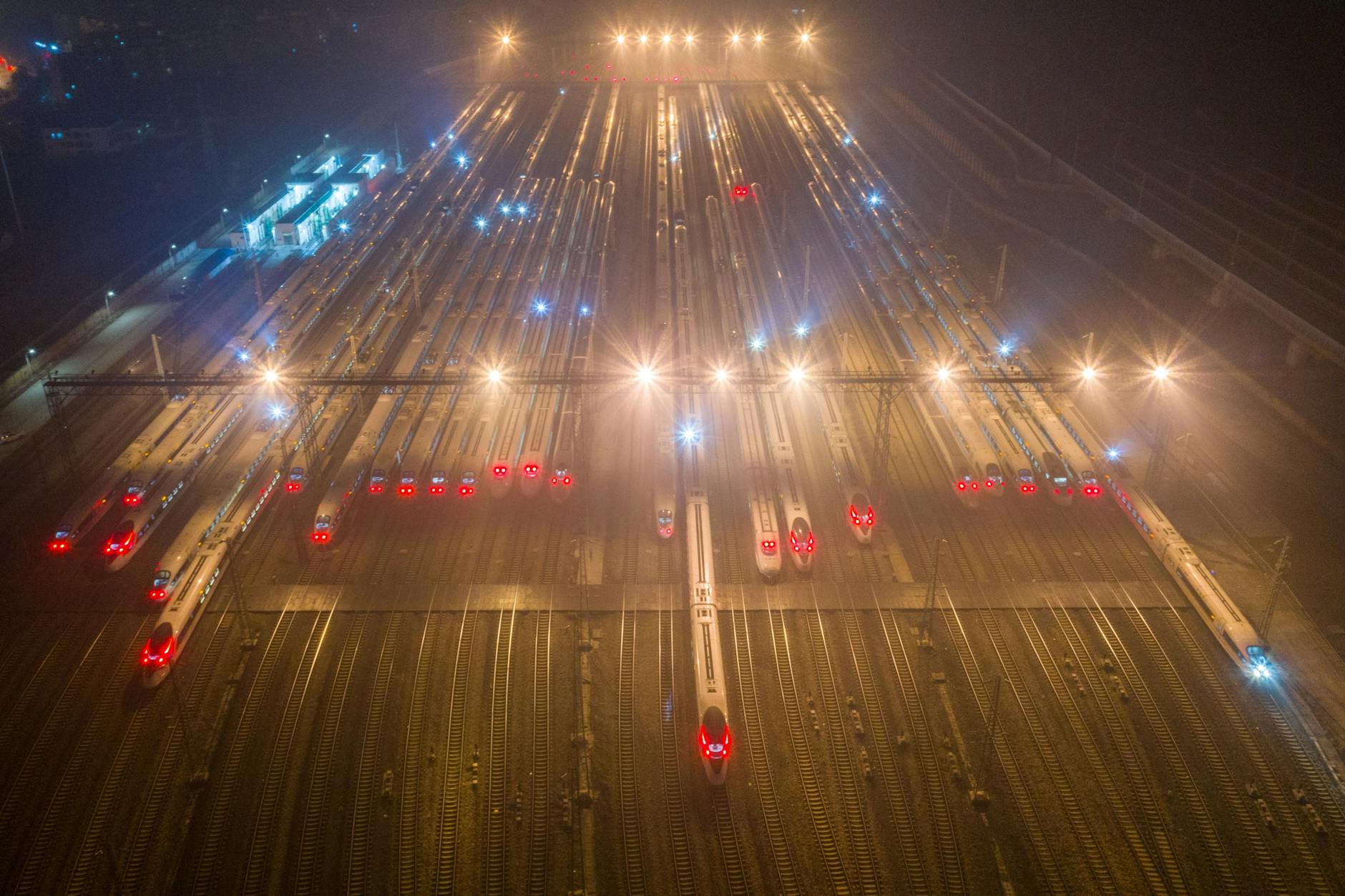
Practical Guide: Experiencing High-Speed Train Network Yourself
Ready to experience high-speed train network for yourself? Whether you’re planning a trip to China or simply want to engage with it from wherever you are, there are more options available today than ever before.
For those visiting China, the golden rule is to go where the locals go. Skip the tourist-facing options and seek out the establishments, events, and communities where high-speed train network is experienced as part of everyday life. Ask locals for recommendations, explore neighborhood markets and side streets, and approach every encounter with genuine curiosity rather than a checklist mentality.
Final Thoughts: Why High-Speed Train Network Is Worth Your Time
We live in a world that increasingly values speed and surface-level experiences. High-Speed Train Network offers something genuinely different: depth, history, craftsmanship, and a connection to a civilization that has been thinking carefully about how to live well for thousands of years.
At Cyber China, our mission is to bring the real China closer to the world — not the clichés or the stereotypes, but the living, breathing reality of a culture that rewards engagement and curiosity with extraordinary richness. High-Speed Train Network is one of the clearest expressions of that reality, and we hope this guide has helped you see why it deserves your attention.
Explore more, question more, taste more, and travel more — China has infinite layers waiting to be discovered, and high-speed train network is one of the finest entry points into them all.