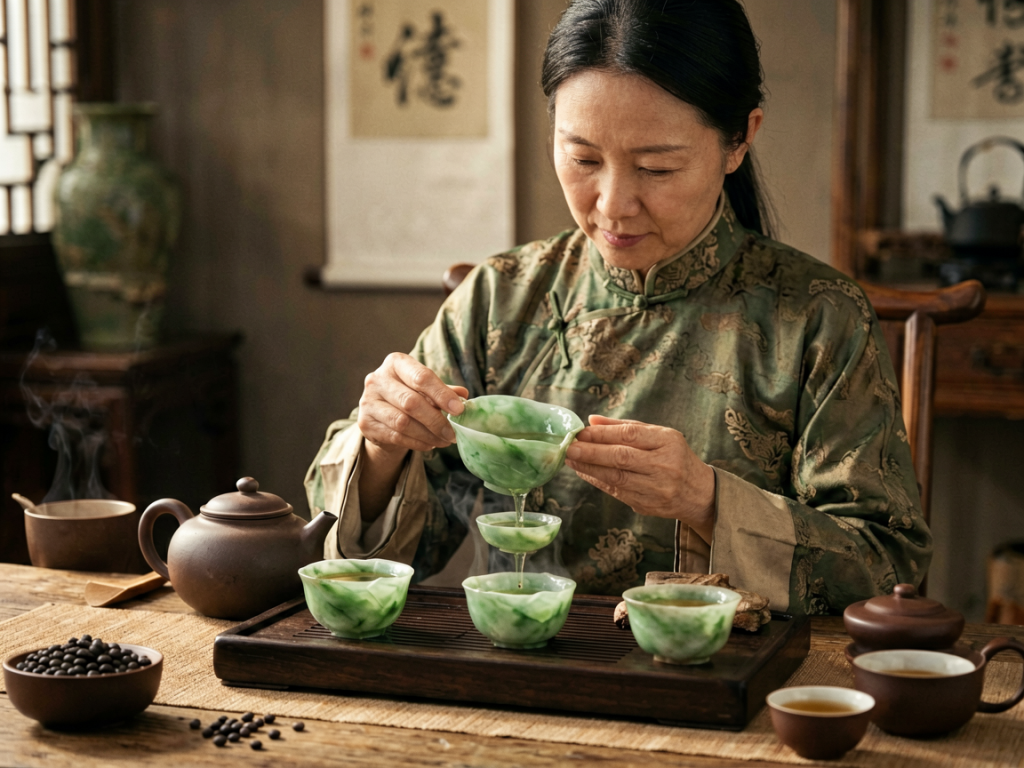
I still remember standing in a packed market stall near a famous temple in Xi’an, holding a heavy jade pendant that cost me three hundred yuan. The vendor smiled wide and kept calling it imperial green. I almost walked out with it until I noticed the price tag was laminated under clear plastic. That’s when I realized I was holding dyed glass, and I wasn’t the only tourist making that exact mistake.
Shopping for souvenirs in China doesn’t have to feel like walking through a minefield. I’ve spent eight years wandering through tea houses, silk markets, and antique alleys across the country. I’ve learned which stalls actually sell what they claim and which ones are just set up to pull money from visitors. Sound interesting?
Sorting Real Tea from Fancy Packaging
You’ll see stacks of ornate metal tins everywhere, but the pretty boxes usually hide the truth. Local tea shops rarely wrap their best leaves in flashy gift containers. They keep everything simple so they can focus on the actual quality. I used to get drawn in by those glossy tins myself until a friend in Hangzhou showed me how to read the leaves instead of the label.
Always ask to smell the dry leaves before you hand over any cash. Good tea smells clean, grassy, or slightly nutty depending on the type. If it smells like nothing or smells sharply chemical, put it back. Authentic Chinese tea should never leave your mouth tasting flat or overly sweet. Real oolong will leave a floral finish that lingers, and proper pu-erh will taste earthy with zero bitterness.
I once watched a guy argue with a vendor over a bag labeled thirty-year aged sheng pu-erh. The tea tasted fresh, almost green, and the seller kept pointing to a certificate that said otherwise. Certificates mean absolutely nothing unless they come from a recognized testing lab. Skip the paperwork and trust your own nose and tongue. Stick to smaller tea houses where owners actually drink what they sell. They’ll pour you samples without blinking, and that’s your real test.
Prices vary wildly depending on where you buy. You can grab decent daily drinking tea for twenty yuan a hundred grams at neighborhood shops. If someone tries to charge you five hundred for everyday leaves, they’re pricing in your ignorance. Never buy pre-packaged tea from airport kiosks or hotel gift shops. Those places markup everything just because you’re desperate to bring something home. I’d rather carry loose leaves in a cotton cloth than pay triple for branded boxes.
Separating Real Jade from Glass Beads
Jade gets sold on every corner, which sounds convenient until you realize half of it is barely rock. True nephrite or jadeite holds its own weight and stays cool against your skin even in summer heat. Glass warms up fast and feels hollow when you tap it lightly. The temperature trick works ninety percent of the time if you know what to expect.
I bought my first real jade bangle in Kunming after weeks of research. I carried a small flashlight to check the internal structure. Natural jade always shows some cloudiness or mineral specks inside. Perfectly clear stone usually means synthetic resin or molded glass. The vendor pointed to a flaw and actually lowered the price because of it. That honesty saved me from wasting thousands of yuan later.
Street vendors love telling buyers that jade brings luck, health, and wealth. While that sounds nice, it’s just a distraction from the fact that most street stall stones are chemically treated or completely fake. If you want something safe, ask for a certificate of authenticity from a government-approved testing center. They stamp results with QR codes you can actually verify online. Don’t accept shop-brewed papers that look like wedding invitations.
Bargaining over jade requires a steady hand and a slower pace. I’ve seen people throw five hundred yuan at a stall and walk away with a beautifully wrapped rock that crumbled within months. Real jadeite doesn’t drop below two thousand yuan for anything wearable. Nephrite runs cheaper but still carries a baseline price. When the deal feels too easy, it probably isn’t. Trust me on this one.
Navigating Silk Markets Without Losing Sleep
Silk markets pop up in almost every major city, but the quality swings between luxury and cheap polyester blends. I used to think all silk felt smooth, until I ran my fingers over mulberry silk and compared it to processed rayon. Mulberry silk has a soft matte finish and drapes differently. It doesn’t shine like cheap fabric unless you catch direct sunlight on it.
Ask for the momme weight before you commit to any purchase. Thicker silk weighs more and lasts longer, usually starting around sixteen momme. Anything lighter tends to tear after a few washes. I learned this the hard way when a dress I bought in Suzhou split at the shoulder after one summer outing. The seller just shrugged and pointed to the washing instructions.
Haggling here follows a different rhythm than anywhere else. Start at forty percent of the asking price and work upward slowly. I always carry a small bottle of water to do the burn test on scrap pieces if the vendor lets me. Real silk smells like burning hair and turns to ash. Synthetic fibers melt into hard plastic beads and smell like chemicals. Most honest sellers will watch you test a corner piece without getting offended.
Fixed-price boutiques exist now, and they’re actually worth considering for beginners. You know exactly what you’re paying upfront, and the staff usually knows their fabrics inside out. I prefer buying from family-run shops where the third generation still works behind the counter. They take pride in their inventory and won’t push you toward fake goods just to meet a daily quota. Surprised?
The Antique Shop Reality Check
Walking into antique shops in China sounds romantic until you read the fine print on cultural relics law. Anything older than 1949 technically belongs to the state unless it came from a documented lineage. Vendors know this, but they’ll still tell you their porcelain vase or bronze mirror is a family heirloom ready for export. I’ve heard that exact line so many times I stopped believing it.
Certificates of authenticity become useless when they come from companies that don’t actually exist. I once took a Ming-style vase to a museum conservator for a second opinion. He laughed gently and told me the glaze cracked patterns were machine-induced, not naturally aged over centuries. The stamp on the bottom matched a factory that closed in 2008. Tourist traps thrive on vague paperwork and confident smiles.
If you want meaningful antiques, stick to post-1950 folk art, calligraphy sets, or modern wood carvings. Those items are legal to take home and often carry more cultural weight than mass-produced replicas. I’ve collected entire sets of handmade paper fans from craft villages near Chengdu. They cost less than dinner and actually showcase skills that survived decades of industrialization.
Never buy anything labeled export grade without checking the seal. The customs office stamps official pieces with black ink that includes a registration number. Fake documents just use digital fonts and glossy printers. I once saw a stall packed with supposed Tang dynasty figurines that looked freshly thrown from pottery wheels. The clay dust still clung to the shelves. Bring a small UV light if you really want to separate pros from hustlers.
Haggling Etiquette That Actually Works
Bargaining in China isn’t about winning an argument. It’s a social dance that respects both sides. I used to approach stalls like I was negotiating a contract, which only made vendors defensive. Now I greet people, ask about their families, and let the conversation breathe. Prices drop faster when you treat the owner like a person instead of a target.
Walk away calmly whenever the numbers don’t align. I’ve left stalls a dozen times just to watch the seller call after me with a better offer. Nobody keeps customers out of spite. The key is staying polite and never insulting the merchandise. Complaining about quality while demanding discounts insults everyone involved. I always praise the craftsmanship first, then mention my budget politely.
Cash still moves markets faster than digital payments in smaller towns. Carrying small bills in yuan saves you from awkward change conversations and shows you’re serious about buying. I keep a roll of ten-yuan notes in my jacket pocket specifically for street vendors and tea stalls. It signals that I’m ready to transact right now. They respond to that energy immediately.
Remember that shopping here is as much about learning as it is about collecting. I’ve met artisans who teach you how to press tea bricks or dye silk using natural indigo. Those experiences last longer than any souvenir you could pack in a suitcase. I love watching strangers become friends over shared cups of tea and honest conversations about where things come from.
China rewards patience and respect above everything else. Skip the glossy gift boxes and rushed transactions. Visit local neighborhoods where shopkeepers remember your name after two visits. The real treasures aren’t hiding in tourist traps. They’re sitting on wooden counters, waiting for you to slow down enough to notice them.