Honestly, I still remember the first time I got sick here. It was a humid July in Shanghai, and my stomach decided to stage a mutiny. I was sweating through my shirt, clutching my knees, and completely lost. My instinct? Call my embassy or wait for a flight back home.
That’s when my friend Lao Li knocked on my door. He didn’t look concerned. He just handed me a bottle of water and told me to sit down. Then he pulled out his phone, opened an app, and within twenty minutes, a delivery guy was at my door with some brown packets.
I took them. I survived. And you know what? I felt better faster than I ever have with Western pharmacy meds. That moment changed how I view healthcare in China forever.
If you’re moving here or just visiting, the idea of getting sick without your familiar brand-name drugs can be terrifying. But trust me, the system isn’t as broken or opaque as you might think. It’s just different. And once you learn the ropes, it’s actually kind of convenient.
The Pharmacy Revolution: From Corner Shops to App-Based Delivery
Forget the sterile, quiet pharmacies from back home. In China, buying medicine is less of a chore and more of a lifestyle feature. The landscape has shifted dramatically in the last five years. You don’t even need to leave your apartment if you don’t want to.
I use apps like Meituan and Ele.me constantly. These are the same platforms you’d use to order bubble tea or takeout, but they deliver everything. Including antibiotics. Including cold meds. Including emergency contraception. Yes, really.
Let’s talk about that last one because it’s wild. A few years ago, if you needed Plan B, you had to awkwardly ask a pharmacist behind a counter. Now? You type in “emergency contraception,” pick the brand, pay with WeChat Pay, and it arrives at your door in thirty minutes. No judgment. No awkward eye contact. Just efficiency.
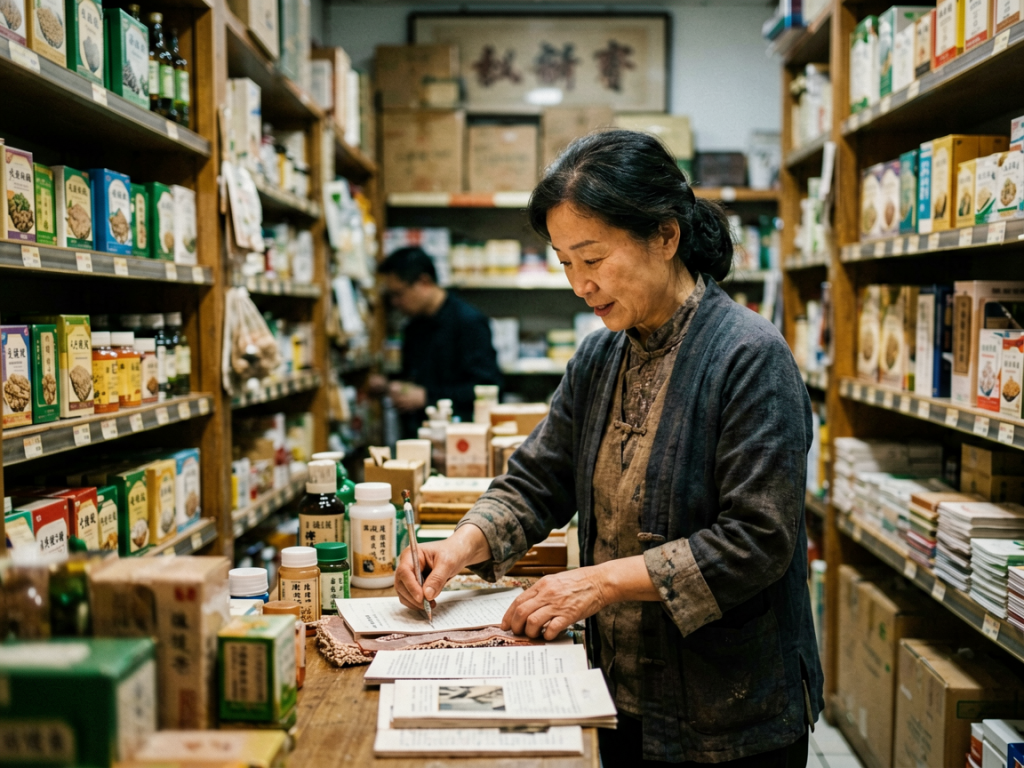
Of course, walking into a physical store is still an option. You’ll see chains like Dashenlin or LBX everywhere. They’re bright, colorful, and packed floor-to-ceiling with products. The staff are usually friendly, though their English skills vary wildly. Don’t expect a pharmacist who speaks fluent medical terminology unless you’re in a high-end international hospital clinic.
But here’s the thing: you don’t always need to speak. I’ve saved myself many times by just showing pictures on my phone. Take a photo of the medicine box you used to buy in the US. Show it to the clerk. They’ll nod, find it, and sell it to you. Simple.
Prescriptions vs. OTC: What You Can Actually Buy Without a Doctor
This is where foreigners get tripped up. In the States, you walk in and grab whatever you need. Here, there’s a strict line between Over-The-Counter (OTC) meds and prescription drugs. But the line is blurry for outsiders.
For mild stuff–headaches, stomach ache, allergies–you’re good to go. You’ll find Paracetamol (known here as Acetaminophen or Tylenol equivalents) on almost every shelf. Ibuprofen is everywhere too. I keep a stash of these in my bag just in case.
But if you need antibiotics, things change. Technically, you need a prescription for antibiotics. In reality? A lot of small pharmacies will sell them to you anyway if you ask nicely. Or if you show them a fake prescription from your old doctor back home. I’m not saying you should forge documents, but the flexibility is real.
However, big chain pharmacies are stricter now due to government crackdowns. If you try to buy Amoxicillin at a major Dashenlin store without a prescription, they’ll likely send you to a hospital. It’s annoying, sure. But it keeps people from misusing strong meds.
So, what’s my advice? Stock up on basics when you first arrive. Buy a month’s supply of painkillers, antihistamines, and anti-diarrheals. Learn the Chinese names for them. Knowing that “tong feng” means gout or “gan mao” means common cold helps you point at the right aisle instead of wandering aimlessly.
I spent an entire afternoon once in a pharmacy in Chengdu trying to explain “acid reflux” to a very confused clerk who kept handing me antacids for heartburn. Turns out, I needed proton pump inhibitors. She finally understood when I drew a diagram. Embarrassing? Yes. Useful lesson? Absolutely.
Navigating the Hospital System When It Gets Serious
Sometimes, the corner shop won’t cut it. If you have a fever that won’t break, severe pain, or something requiring tests, you need a hospital. And this is where the experience can feel overwhelming.
First, avoid the local public hospitals if you can. I’m being blunt. They are crowded, chaotic, and often understaffed with English speakers. The queues are long. The environment is stressful. If you have insurance, check if you’re covered at an International Clinic or a private hospital like United Family or Jiahui Health.
These private facilities are pricey. A consultation might run you $100 to $200 USD alone. But the service is comparable to what you’re used to. You make an appointment online. You wait in a clean, quiet room. The doctors speak English. They prescribe Western-standard meds. You leave with a detailed receipt for your insurance.
I went to United Family in Beijing after I twisted my ankle badly hiking. The ER wait time was zero. The orthopedist examined me, ordered an X-ray, and had the results in ten minutes. He explained everything clearly. It cost me three months’ salary equivalent, but it was worth it for the peace of mind.
If you must go to a public hospital, go to the International Department. Most large public hospitals have a separate wing for foreigners. The registration process is faster, the doctors are vetted for language skills, and the pricing is higher but transparent. You still need a passport and usually a referral slip from a smaller clinic or direct payment.
And don’t forget to bring your insurance card. And your policy number. And your ID. And a notebook. Write down the diagnosis in both English and Chinese. Doctors in public hospitals scribble notes so fast it’s like watching a magic trick. By the time you leave, you’ll have no idea what you were supposed to take.
Emergency Numbers and What to Pack
In an emergency, dial 120 for ambulance services. It’s the national standard. Like calling 911, but sometimes the response time varies depending on traffic and location. In Shenzhen or Shanghai, they’re usually quick. In rural areas, be prepared to wait.
Also, save the number for your country’s embassy or consulate. While they can’t provide medical care, they can guide you to reputable hospitals if you’re completely lost. Or help translate if the situation gets critical.
Speaking of translation, having a medical phrasebook or a reliable translation app is non-negotiable. Baidu Translate is generally better than Google Translate for medical terms in China. I keep a screenshot of common symptoms in Chinese on my lock screen. “Fever,” “Stomach pain,” “Allergic reaction.” It sounds silly, but it saves precious minutes when you’re feeling terrible.
You should also pack a “survival kit” for your first month. Bring enough of your regular prescription meds to last until you can see a local doctor. Not all foreign prescriptions are valid in China. If you’re on blood pressure meds or antidepressants, consult a local specialist early on. They might switch you to a locally available brand that works just as well.
I was surprised to find that my German-made thyroid medication had a perfect Chinese equivalent that was half the price and just as effective. I didn’t know it until I asked. So, don’t assume your home brand is superior. Ask around. Talk to other expats. Join the local Facebook groups or WeChat communities. We love helping newcomers.
The Bottom Line: Adaptation is Key
Getting sick in China doesn’t have to be a nightmare. It requires a shift in mindset. You can’t rely on the convenience of driving to CVS for a band-aid. You have to adapt to the digital ecosystem. You have to be proactive about stocking up. And you have to be willing to trust the local system, even if it feels weird at first.
I’ve been here eight years now. I’ve eaten questionable street food, breathed heavy smog, and fought off more colds than I can count. I’m still here. And I’m healthier than most of my friends back home who panic over a sniffle.
Just remember: hydration is key. Drink plenty of boiled water. It’s in every restaurant. It’s free. It’s safe. And it helps with everything from digestion to headaches. Also, keep your immune system strong by eating varied diets and getting enough sleep. Stress weakens immunity, and adjusting to a new culture is stressful.
Don’t let fear paralyze you. Educate yourself. Build your network. And next time you’re feeling under the weather, just call Lao Li. Or download Meituan. One of those options will get you sorted out faster than you think.
Welcome to China. Stay healthy.