Look, I’ll be honest. When I first landed in Beijing ten years ago, I was a disaster. I had no cash, no local SIM card, and definitely no idea how to hail a taxi that didn’t try to rip me off. But the thing that saved me wasn’t some app or a language lesson. It was a bright yellow box on the sidewalk.
That little device changed my entire perception of what living in China actually means. It wasn’t just a gadget. It was a lifeline. Today, walking through Shanghai, Shenzhen, or even smaller cities like Chengdu feels less like exploring a foreign land and more like stepping into a seamless, digital utopia. Or maybe just a very convenient one.
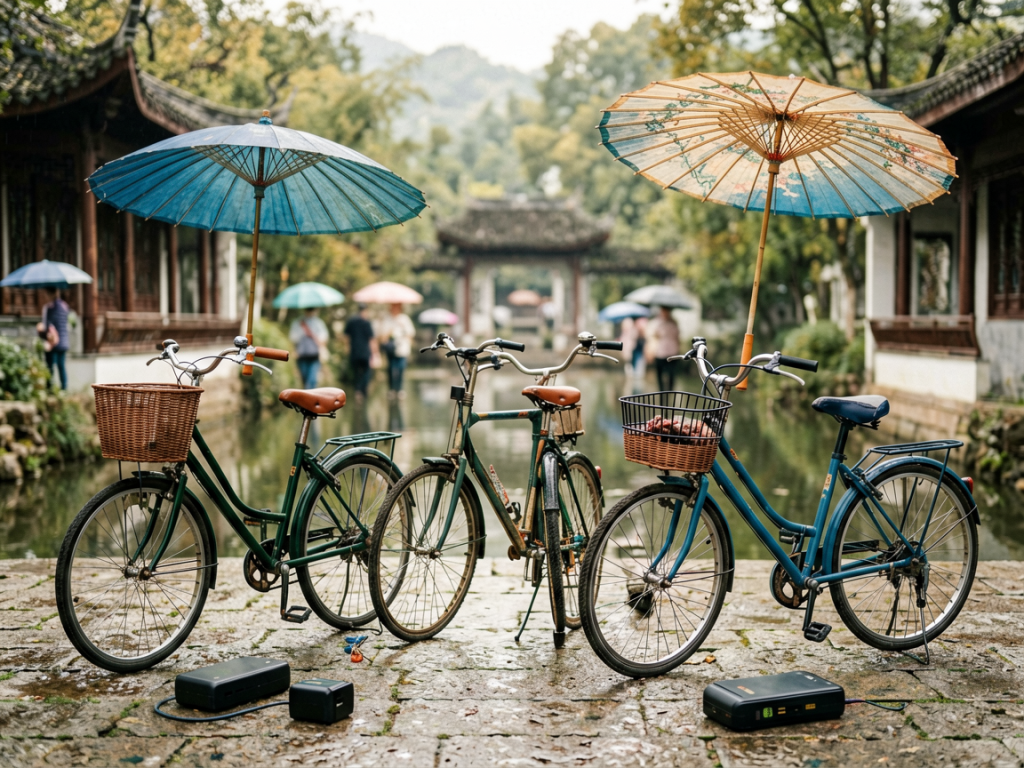
If you’re planning a trip here, or if you’ve already been frustrated by dead batteries and sudden rainstorms, you need to know about the sharing economy. It’s everywhere. It’s cheap. And it’s incredibly useful. Let’s talk about the three big players: power banks, bikes, and umbrellas.
The Power Bank Lifeline
I’m no expert on circuitry, but I know this: my phone dying is a personal crisis. In China, though, a dead phone isn’t a crisis. It’s just an inconvenience lasting five minutes. That’s because of the shared power banks. You see them everywhere. They’re those sleek white boxes bolted to walls in restaurants, malls, train stations, and even some hotel lobbies.
They come in different colors depending on who owns them. Blue for Meituan, yellow for Monster Energy, and white for Alibaba’s ecosystem. Don’t worry about the brands too much. The process is identical. You scan the QR code with WeChat or Alipay, pay a small deposit, and out pops a battery. It usually costs about 1 to 3 yuan per hour. Maybe 5 yuan if you leave it too long.
Here’s the trick that trips up most tourists. You don’t have to return it to the exact same spot. You can pick it up in a coffee shop in Jing’an district and drop it off in a subway station in Pudong. Just make sure there’s an empty slot available. If all slots are full, the app will tell you. It’s pretty smart about that.
I remember sitting in a tiny noodle shop in Xi’an. The waiter had a whole wall of these banks. I watched him swap his dead one for a charged one in under thirty seconds while his soup boiled. That’s the level of integration we’re talking about. It’s effortless.
Is it perfect? Sometimes the batteries are old and charge slowly. But compared to lugging around a heavy brick charger or hunting for an outlet in a crowded cafe, it’s worth every penny. Plus, it supports the local tech giants, which feels like a small win for the digital economy.
Ditching the Taxi for Two Wheels
Let’s talk about bikes. Specifically, the neon-colored bicycles that cover every city sidewalk. If you’ve been to China recently, you’ve seen them. They’re everywhere. And they’re cheap. Really cheap.
Back in the day, renting a bike meant dealing with a shop owner, a key, and a hefty deposit. Now? You just scan the QR code on the lock. The app handles the rest. The two main players are HelloBike and Meituan Didi. There’s also DiDi’s own brand sometimes. They all work similarly.
I’m personally partial to the orange Hellobikes. They tend to have slightly better gear shifts, though that might just be anecdotal. The price is usually around 1.5 yuan for the first half hour. After that, it goes up. But for a quick hop across the block, it’s unbeatable.
This isn’t just about saving money. It’s about seeing the city properly. Taxis zoom past. Subways go underground. But a bike lets you feel the air, smell the street food, and notice the little details you’d miss otherwise. I spent an entire lazy Sunday riding along the West Lake in Hangzhou. No plan. No destination. Just pedals and scenery.
Sound interesting? It really is. But there’s a catch. Parking. Cities are strict about where you can leave these bikes. If you park in a random alleyway, you might get fined or blocked from using the service for a week. Always look for the designated parking zones marked on the map. They’re usually blue lines on the pavement.
Also, watch out for the traffic. Chinese streets can be chaotic. Cars, scooters, pedestrians, and bikes all mix together. It’s not for the faint of heart. But once you get the rhythm, it’s thrilling. I’ve fallen off a few times, mind you. Mostly because I tried to stop too suddenly. But hey, bruises heal. Bad experiences with confusing parking rules don’t.
Rain or Shine: The Umbrella Solution
Now, let’s address the elephant in the room. The weather. China’s climate varies wildly, but one thing is constant: sudden rain. Especially in the south during the plum blossom season. One minute it’s sunny. The next, it’s pouring.
Most tourists carry a flimsy disposable umbrella. They break instantly. It’s a waste of plastic and money. Enter the shared umbrellas. Yes, they exist. You can find them in subway stations, convenience stores, and even some office buildings.
The concept is simple. You scan a code, take an umbrella, and pay a small fee to keep it. If you return it within a day or two, it might be free or very cheap. If you lose it, you pay a replacement fee, usually around 30 to 50 yuan. That’s steep, but it keeps people honest.
I was skeptical at first. Would they actually let you borrow an umbrella? Turns out, yes. The system relies on social credit and fear of fines. It works surprisingly well. I’ve borrowed umbrellas in Guangzhou and returned them in Shanghai. Well, actually, I lost one in Shanghai. That cost me. Don’t be like me.
The umbrellas themselves are decent quality. Usually black, with the logo of the company printed on it. They’re not fancy, but they keep you dry. And in a place where humidity is often over 80%, staying dry is crucial for comfort.
What I love about this service is how it fits into the daily rhythm. You step out of a metro station, it starts raining, you grab an umbrella, you finish your errand, and you return it. No need to buy anything. No need to clutter your apartment with broken gear. It’s the ultimate low-commitment lifestyle hack.
The Cultural Shift
You might wonder why this matters so much. Why spend time writing about bikes and umbrellas? Because these gadgets represent a bigger shift in how China operates. It’s all about access over ownership.
We’ve moved past the era where you need to own everything to use it. You don’t need to own a car to drive. You don’t need to own a charger to have power. You don’t need to own an umbrella to stay dry. This convenience is addictive. Once you experience it, going back feels clunky and inefficient.
For tourists, this means you need to prepare. You can’t just show up and pay with cash. You need WeChat Pay or Alipay set up on your phone. Link your international credit card. Verify your identity. Do this before you land. Trust me. Trying to figure out the apps while you’re standing in the rain without an umbrella is not the vibe you want.
I’ve seen friends struggle with this. They arrive, confused, trying to scan codes that don’t work because their app version is outdated. Or they forget to link their bank card. Then they’re stuck. So, take an afternoon to sort out your digital wallet. It’s the key that unlocks the rest of the experience.
My Verdict
So, should you embrace the sharing economy? Absolutely. It makes life easier, cheaper, and more flexible. I’ve relied on these services for years. They’re part of my routine now. I check the power bank availability before leaving home. I glance at the bike map when I’m running late. I keep an eye on the sky for rain.
It’s not magic. It’s just good technology integrated into daily life. And that’s what I love about China. It’s not about futuristic sci-fi gadgets. It’s about practical solutions that solve real problems. Dead battery? Check. Rainstorm? Check. Stuck far from your hotel? Check.
Just remember to respect the rules. Return your items. Park in the right spots. Don’t lose your umbrellas. Treat the system with care, and it will treat you well. I’ve found that the more I play by the rules, the smoother my trips become.
Next time you visit, skip the expensive tourist traps. Embrace the everyday convenience. Take a bike ride through the old neighborhoods. Grab a power bank in a quiet cafe. Borrow an umbrella when the sky turns gray. These small moments define the modern Chinese experience better than any monument ever could.
It’s simple. It’s smart. And it’s something you’ll miss the moment you leave. Enjoy the ride.