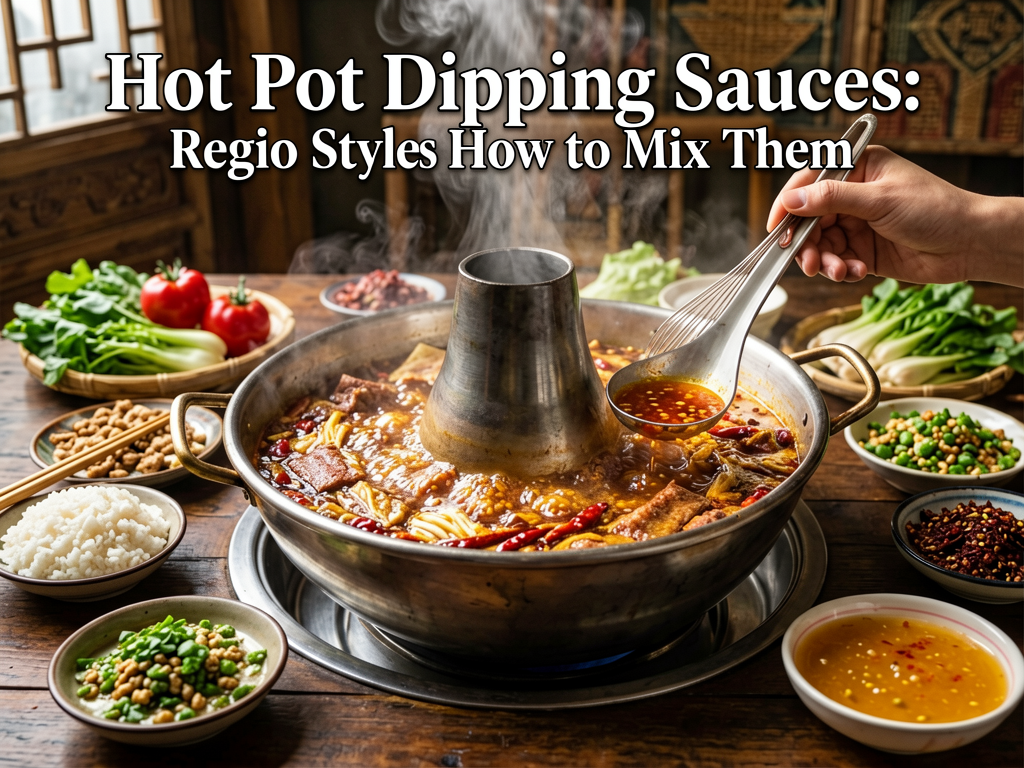
I still remember my first time sitting in front of a bubbling pot of Sichuan beef tallow. The air smelled like chili oil and star anise. My face was already sweating before the first slice of lamb even touched the broth. I looked around the table at the condiment station, which looked more like a chemistry lab than a buffet. There were bowls of sesame paste, jars of fermented bean curd, plates of fresh cilantro, and bottles of everything from vinegar to oyster sauce.
I was confused. I didn’t know what to put in my little dipping bowl. The guy next to me, a local university student named Wei, watched my hesitation with amusement. He handed me a bowl and started mixing something that looked like a dark, chunky sludge. “Don’t overthink it,” he said. “Just follow the heat.”
That night changed how I eat hot pot. I realized that the dipping sauce isn’t just an afterthought. It’s the bridge between the intense broth and the delicate ingredients. It’s where you take control of the meal. If you get it wrong, you might drown a delicious piece of beef in something that ruins the flavor. If you get it right, you unlock a whole new level of taste. Here’s how to navigate the confusing world of Chinese hot pot dipping sauces without making a fool of yourself.
The Northern King: Sesame Paste and Fermented Bean Curd
If you’re eating Beijing-style copper pot hot pot, or even many northern Chinese varieties, you’re looking at sesame paste. This is the gold standard for mild broths. I’m talking about the clear broth with goji berries and ginger, or the simple bone broth. You don’t want to mask that clean flavor with too much spice.
The base is always tahini, or rather, a specific kind of Chinese sesame paste that’s thicker and nuttier than what you find in Western grocery stores. It needs to be diluted with a bit of warm water or chicken stock until it’s the consistency of heavy cream. That’s the secret. Thick paste clumps on your teeth. Smooth paste coats your tongue.
Once you have that smooth base, you add the heavy hitters. Chopped garlic is non-negotiable for me. It adds a sharp bite that cuts through the richness of the sesame. Then there’s fermented bean curd, or *furu*. It looks like a white, crumbly cheese block. You mash it into the paste. It adds a salty, funky depth that smells strong but tastes incredible. A splash of chive flower sauce, which is green and herbaceous, ties it all together.
I used to think this combination was too heavy. I was wrong. When you dip a thin slice of hand-cut lamb into this mixture, the nutty, savory, garlicky flavor wraps around the meat perfectly. It’s comforting. It’s like a warm hug in a bowl. Trust me, give it another try if you’ve only had it once and hated it. You probably just got a bad batch of paste.
The Southern Stealth: Soy Sauce and Seafood
Move south to Guangdong or Chaoshan, and the game changes completely. Here, hot pot is less about the spicy broth and more about the quality of the meat and vegetables. The broth is usually clear water with some ginger and scallions. It’s designed to highlight the natural sweetness of the ingredients.
Because the broth is mild, your dipping sauce needs to provide the flavor. But you don’t use heavy pastes. You use light, fresh ingredients. The base is almost always a high-quality soy sauce. Not the thick, sweet BBQ-style soy you might know. A light, salty soy sauce that doesn’t overpower the meat.
This is where things get interesting. You add minced garlic, of course. But then you throw in chopped cilantro, chopped scallions, and sometimes a bit of dried shrimp powder. If you’re eating beef, like in Chaoshan style, you might add a bit of sesame oil. For seafood, you might add a squeeze of lime or a dash of chili oil.
I remember eating in Guangzhou, dipping a piece of fresh river prawn into a mix of soy sauce, ginger, and scallion. The ginger wasn’t just for flavor; it helped balance the “cooling” nature of the seafood in Traditional Chinese Medicine terms. It wasn’t spicy. It wasn’t heavy. It was clean. It tasted like the ocean. This style respects the ingredient. It doesn’t try to fix what isn’t broken.
The Sichuan Shield: Oil, Garlic, and Chili
Now, let’s talk about the beast. The Sichuan spicy hot pot. If you’re eating in Chengdu or Chongqing, you’re likely dealing with a pot that looks like a volcano. It’s filled with beef tallow, dried chilies, and Sichuan peppercorns. It’s intense. It’s numbing. It’s painful in the best way possible.
Here’s the rule: you cannot eat this directly. If you dip a piece of tofu or meat straight from this pot into your mouth, you’ll burn your tongue and ruin your palate for the rest of the meal. You need a shield. And that shield is oil.
The traditional Sichuan dip is simple. It’s sesame oil, often mixed with minced garlic and cilantro. Sometimes people add a bit of oyster sauce or vinegar, but the oil is key. The oil coats your mouth and protects your stomach lining from the capsaicin in the chilies. It also cools the food down quickly so you can eat it without screaming.
I was skeptical about eating oil with spicy food. It sounds counterintuitive. But after my first bowl of spicy tripe, I understood. The oil carried the numbing sensation of the peppercorns, creating that famous *ma la* (numbing and spicy) experience. Without the oil, the heat was just painful. With the oil, it was complex. It was aromatic. It was addictive.
Don’t be afraid to use a lot of oil here. Fill your bowl. Add the garlic. The garlic actually helps reduce the burning sensation. It’s a small trick, but it makes a huge difference when you’re trying to finish that plate of spicy duck blood.
Playing with Fire: Mixing and Matching
So, you’re sitting in a restaurant in Shanghai or Shenzhen. The menu has a mix of broths. Half spicy, half mushroom. How do you decide what to dip what in? The answer is flexibility. You don’t have to stick to one style all night.
I love to create my own mixes. I call it “custom blending.” If I’m eating a mild mushroom broth, I might start with a sesame paste base. But halfway through, when I want something brighter, I switch to a soy sauce and cilantro mix. It keeps the meal interesting. It prevents palate fatigue.
Try adding a splash of vinegar to your sesame paste. It adds a tangy acidity that cuts through the richness. It’s like a side of pickles with your burger. Or, if you’re eating spicy food, try adding a little sugar to your oil dip. It sounds weird, but a pinch of sugar can balance the harshness of the chili oil. It rounds out the flavors.
Don’t be shy at the condiment station. Experiment. If you see a jar of something you’ve never tried, try a tiny bit. Maybe it’s pickled mustard greens. Maybe it’s a weird fermented chili bean paste. You might discover your new favorite flavor. I once mixed oyster sauce with chili crisp and put it on a piece of plain rice cake. It was simple, but it was perfect.
The Golden Rules of the Dip
There are a few unwritten rules that will help you blend in with the locals. First, keep your bowl small. You don’t need a huge amount of sauce. A small bowl is easier to mix and easier to dip into. Second, mix your sauce before you start eating. Don’t try to mix while you’re cooking. It’s messy and you’ll burn your fingers. Set up your bowl at the beginning of the meal.
Third, respect the broth. If you’re eating a delicate broth, don’t use a heavy, garlicky dip. It’s rude, basically. You’re wasting the chef’s effort. Match the intensity of your dip to the intensity of the broth. Spicy broth gets oily dips. Mild broth gets fresh, light dips. It’s that simple.
Finally, clean your bowl between dips if you’re switching broths. Leftover chili oil in a soy sauce bowl is a disaster. It turns your mild dip into a spicy mess. Just scrape it out or get a new small bowl. It’s worth the extra second.
I’ve spent years eating hot pot across China. I’ve eaten in cheap street stalls and fancy private dining rooms. The food changes, but the joy remains the same. It’s the act of gathering, cooking, and sharing. The dipping sauce is your personal touch in that shared experience. It’s your signature. Make it yours.
So next time you sit down for a boil, don’t panic at the condiment station. Look at the broth. Look at the meat. Decide what you want to taste. Then mix, dip, and enjoy. You’ll be surprised at how much better your meal tastes when you take control of the flavor. And if you mess up? Just ask the guy next to you. They’re happy to help. That’s part of the fun.