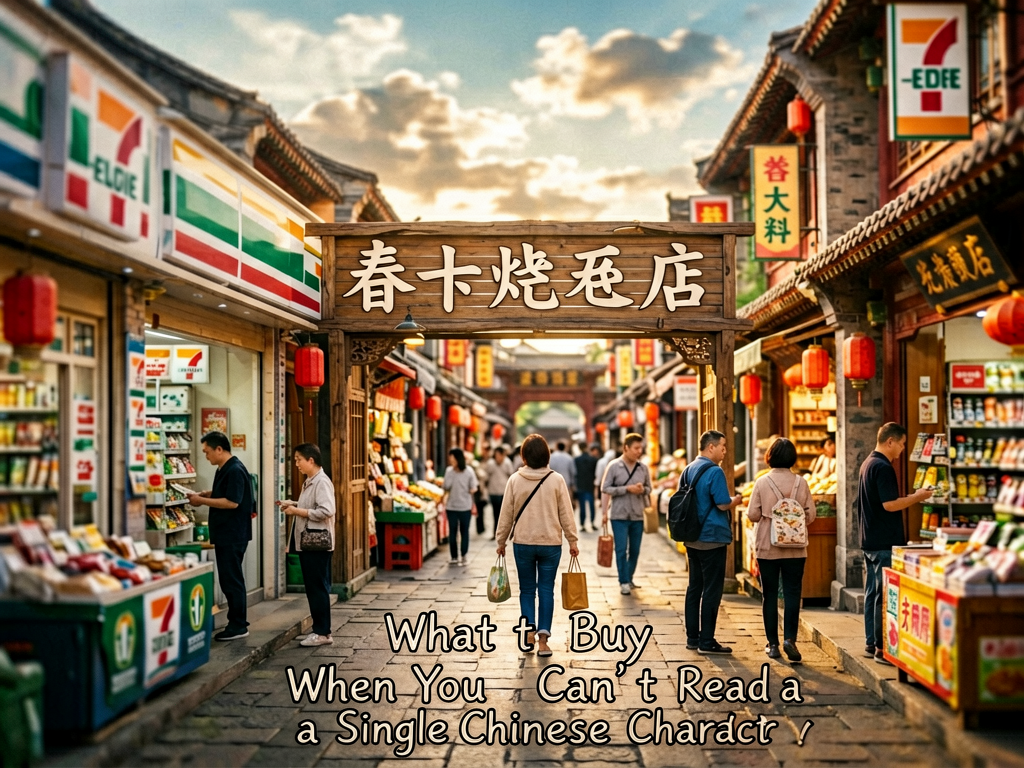
I still remember the first time I walked into a 7-Eleven in Shanghai. I was exhausted after a twelve-hour flight, my head was spinning from jet lag, and I just wanted something warm and salty. The fluorescent lights were blinding, the shelves were stocked with an overwhelming array of colorful packaging, and not a single label was in English. I stood there, paralyzed, holding my credit card like a shield. I felt like an imposter in my own skin.
That panic has long since faded. Now, I treat these stores like my personal pantry. Honestly, they’re better than most sit-down restaurants I’ve visited in the last decade. But if you’re a traveler who can’t read a single Chinese character, walking in can still feel like stepping into a maze. You’re worried about ordering the wrong thing, paying at the wrong terminal, or accidentally buying something spicy when you wanted sweet.
I’m here to tell you that it’s easier than you’d expect. I’ve spent eight years navigating the aisles of China’s convenience store giants, 7-Eleven and Lawson. I’ve eaten my way through hundreds of onigiri, buns, and instant noodles. I’ve learned the hard way so you don’t have to. Trust me, once you know the hacks, you’ll never go hungry again.
The Visual Dictionary Hack
Here’s the thing about Chinese characters: they look like little puzzles. Most of them are composed of radicals that give you a hint about the meaning. If you learn just five or six of these visual cues, you’ll unlock a huge portion of the menu. It’s not about memorizing the dictionary; it’s about pattern recognition.
Take the character for rice, 米 (mǐ). It looks a bit like a grain of rice with legs. If you see this character anywhere on a package, it’s probably a rice dish. That means onigiri, bibimbap, or rice balls. If you’re craving something substantial, look for the rice icon. It’s usually accompanied by a picture of a steaming bowl or a triangular rice ball.
Then there’s 包 (bāo), which means bun or package. This is your go-to for steamed buns. You’ll see this everywhere in Lawson and 7-Eleven. Some are sweet, filled with red bean paste, and some are savory, stuffed with pork or vegetables. How do you tell the difference? Look at the picture. If it’s brown and looks like a meatball, it’s savory. If it’s pink or white with a swirl, it’s sweet. Simple, right?
Another big one is 鸡 (jī), which means chicken. If you see this, you’re looking at a chicken product. Fried chicken, chicken skewers, or chicken nuggets. I love grabbing a pack of spicy chicken wings when I’m in the mood for a snack. They’re usually pre-packaged in clear plastic, so you can see exactly what you’re getting. No guessing required.
And let’s not forget 牛 (niú), which means beef. It’s less common than chicken, but when you find it, it’s usually a premium item. Beef jerky or beef-flavored snacks. I’m no expert on Chinese meat preferences, but I’ve found that beef products are often spicier or more heavily seasoned than chicken ones. It’s a good rule of thumb to follow.
The Lawson vs. 7-Eleven Showdown
You might be wondering which chain is better. It’s a bit like asking if Pepsi or Coke is better. It depends on where you are and what you’re craving, but there are distinct differences in their strengths. I’ve found that Lawson tends to have better bakery items and fresh salads, while 7-Eleven often wins on hot food and variety.
I’ll be honest, I have a soft spot for Lawson’s onigiri. They’re larger, stickier, and often have more creative fillings. I once tried a wasabi and salmon onigiri that blew me away. The texture was perfect, and the wasabi was sharp but not overwhelming. 7-Eleven’s onigiri are good, but they tend to be smaller and drier. If you’re hungry, Lawson is the way to go.
However, 7-Eleven has a certain charm. Their hot food cabinets are often more extensive. You’ll find more options for dumplings, skewers, and hot buns. I remember standing in a 7-Eleven in Beijing during a snowstorm, shivering in the cold, and buying a potsticker bun that saved my life. It was hot, juicy, and comforting. Lawson’s hot food section is usually smaller, and the selection is more limited.
Then there’s the drinks. Lawson has a fantastic selection of imported juices and teas. They often carry brands you won’t find anywhere else. I love their avocado smoothie, which is thick, creamy, and surprisingly healthy. 7-Eleven’s drink selection is more focused on local brands and energy drinks. If you want a quick caffeine hit, 7-Eleven is your friend. If you want something refreshing, check Lawson.
Prices are roughly the same, but Lawson sometimes has better deals on bundled items. I’ve noticed they often offer discounts on coffee and pastries if you buy them together. It’s a small thing, but it adds up over time. 7-Eleven does have promotions too, but they’re usually focused on single items rather than bundles.
The Hot Food Cabinet Mystery
One of the most intimidating parts of a Chinese convenience store is the hot food cabinet. It’s a glass case filled with steaming trays of food. There are tongs, plastic gloves, and a bewildering array of options. I used to be afraid to touch anything in there. I thought I’d mess up the hygiene protocol or pick something inedible.
But here’s the truth: it’s the safest place in the store. The food is cooked fresh throughout the day. You just need to know how to navigate it. First, put on the plastic gloves. They’re usually hanging on a dispenser near the tongs. Don’t skip this step. It’s not just about hygiene; it’s about showing respect for the process.
Next, pick your tongs. There are usually two pairs. One is for savory items, and one is for sweet or dry items. Use the right tongs for the right food. It’s a small detail, but it matters. If you use the sweet tongs for a spicy pork belly, you’ll contaminate the tongs and annoy the staff.
When picking items, look for the ones that look most appealing. In China, visual appeal is everything. If it looks shiny and moist, it’s probably good. If it looks dry and shriveled, leave it alone. I once tried a chicken wing that looked terrible. It was tough and flavorless. Don’t make my mistake.
Another tip: try the skewers. They’re a staple of Chinese street food, and convenience stores have mastered them. Pork skewers, beef skewers, chicken skewers. They’re usually marinated in a sweet and savory sauce. I love dipping them in a little bit of chili oil if it’s available. It adds a nice kick. If you’re nervous about spice, ask the staff for a mild option. They’re usually happy to help.
Payment and Etiquette
Let’s talk about money. You might not have a Chinese bank account, and that’s okay. Most 7-Eleven and Lawson stores accept major credit cards like Visa and Mastercard. But I’ve found that mobile payments are king. Alipay and WeChat Pay are ubiquitous. If you’re a tourist, you can link your foreign credit card to Alipay. It takes a few minutes to set up, but it’s worth it.
If you don’t want to set up mobile payments, cash is still accepted everywhere. Just make sure you have small bills. It’s hard to break a 100-yuan note in a convenience store. The staff will try their best, but it can be awkward. I’ve had to wait ten minutes for change because the register was empty. Don’t do that. Have small bills ready.
When it comes to etiquette, keep it simple. Say thank you when you receive your receipt. It’s a small gesture, but it goes a long way. The staff are often working long hours and dealing with difficult customers. A little kindness goes a long way. I’ve found that if you smile and say “xiexie” (thank you), people are much more likely to help you with translations or recommendations.
Don’t expect English menus. I’m no expert on language learning, but I’ve picked up enough phrases to get by. “Zhège” means this one. Point at what you want and say “zhège.” It’s rudimentary, but it works. I’ve gotten away with it hundreds of times. If you want to be polite, add “ma” at the end to make it a question. “Zhège ma?” Is this one? It shows you’re trying, and people appreciate that effort.
My Top Picks for Beginners
If you’re still nervous, start with these safe bets. They’re universally loved, easy to identify, and delicious. First, try the pork buns. They’re soft, fluffy, and filled with tender meat. Look for the ones with a picture of a steamed bun. They’re usually labeled with 包 (bāo). You can’t go wrong with a pork bun.
Second, grab a banana. Yes, it’s boring, but it’s nutritious and cheap. In China, bananas are often very sweet and creamy. They’re a perfect snack if you’re on the go. I eat them almost every day. They’re a staple of my diet.
Third, try the instant noodles. 7-Eleven and Lawson have a huge selection of instant noodles. Look for the cups with pictures of spicy broth. They’re usually labeled with a chili pepper icon. If you can’t handle spice, look for the chicken flavor. It’s mild and comforting. I love eating them on cold nights after a long day of exploring.
Finally, don’t forget the drinks. Water is essential. But if you want something more interesting, try the local teas. They’re often bottled and ready to drink. They come in various flavors like jasmine, chrysanthemum, and osmanthus. I was honestly skeptical at first, but I’ve grown to love them. They’re refreshing and not too sweet. It’s a great way to experience local culture in a bottle.
At the end of the day, eating in China doesn’t have to be complicated. You don’t need to be fluent in Chinese to enjoy a good meal. You just need to be curious and willing to try new things. The convenience stores are a gateway to understanding the local lifestyle. They’re fast, affordable, and surprisingly diverse.
I’ve found that these little stores offer a glimpse into the daily lives of Chinese people. They’re not just for tourists. Locals eat there every day. So don’t be afraid to blend in. Grab a rice ball, sit on the bench outside, and watch the world go by. It’s a simple pleasure, but it’s one of my favorites. Trust me, you’ll love it.