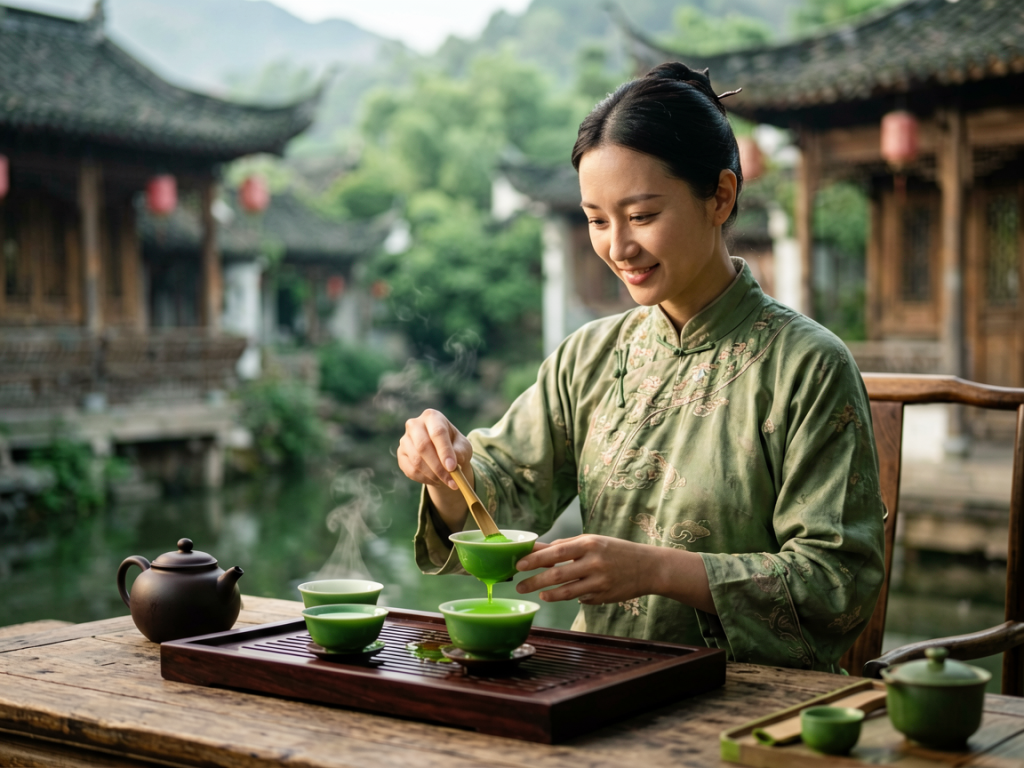
Here’s the thing: when you first step into a tea house in China, you feel like an alien. I remember my first time in Chengdu, sitting on a bamboo chair, watching an old man pour boiling water from a tall spout into a tiny clay pot. It looked like a magic trick. I was nervous. I didn’t know the rules. I didn’t know which cup was mine. But within an hour, I felt like I belonged.
That’s the power of Chinese tea. It’s not just a drink. It’s a social glue, a medicinal habit, and a daily ritual that connects generations. If you think tea is just something you buy in a box at the airport, you’re missing out. The real culture happens in the steam rising from those small cups, in the quiet moments between sips.
It’s Not Just About the Leaf
Most Westerners think of tea as a commodity. You buy a bag of black tea for breakfast, or maybe a bag of green tea for “health.” In China, tea is a craft. It’s treated with the same respect as fine wine or artisanal coffee, but with a history that goes back thousands of years.
I spent a weekend in Fujian province learning about Oolong tea. The owner, a guy named Lao Li, explained that the smell of the dry leaves tells you everything. He held a handful of twisted, dark leaves to my nose. I smelled charcoal, orchids, and something earthy. He smiled. “You smell the fire?” he asked. I nodded, pretending I understood.
He laughed. “The fire is important,” he said. “It gives the tea its soul.” That stuck with me. In the West, we often strip away the process to get to the caffeine. Here, the process *is* the point. You’re not just drinking liquid; you’re tasting the weather, the soil, and the hands that picked it.
The Six Families of Flavor
You might have heard of Green, Black, and White tea. That’s where most people stop. But in China, there are actually six main categories. And knowing the difference changes how you order.
Green tea is unoxidized. It’s fresh, grassy, and delicate. I drank Longjing (Dragon Well) in Hangzhou last spring. The water was slightly cooler, around 80 degrees Celsius. If you use boiling water, you burn the leaves, and it tastes bitter and metallic. Don’t make that mistake. The first sip was sweet, almost like chestnuts. It was refreshing, not heavy.
Then there’s Oolong. This is my favorite. It’s partially oxidized, so it sits right in the middle. It can be light and floral, like Jasmine, or dark and roasted, like roasted rice. I tried a Tie Guanyin in a small shop in Quanzhou. The leaves unfurled in the pot like little green flowers. The liquor was golden. It had a creamy texture that lingered on my tongue for minutes. It’s complex. It’s not one note; it’s a symphony.
Black tea, or Hong Cha in Chinese, is fully oxidized. It’s sweeter, milder, and goes well with milk if that’s your thing, though purists will cringe. Puerh is the wild card. It’s fermented, sometimes for decades. I tried a 20-year-old Puerh cake in Yunnan. It tasted like wet forest floor, mushrooms, and old books. Weird? Maybe. Addictive? Absolutely. It’s an acquired taste, but once you get it, you can’t go back.
The Ritual Is the Point
Let’s talk about Gongfu Cha. The name literally means “making tea with skill.” It’s not about dumping leaves in a mug and walking away. It’s about precision. Small teapots, small cups, high water temperature, and fast infusions.
I watched a master do this in a courtyard in Suzhou. She didn’t use a timer. She just knew. The first steep is for washing the leaves. She poured it out immediately. Why? To wake them up. The second steep is the best. She poured it into a shared pitcher, then distributed it to small cups. She didn’t give me the first cup she poured. She gave me the second.
“This one has the best aroma,” she said. It was a small gesture, but it made me feel special. It wasn’t just service; it was hospitality. In China, serving tea is a sign of respect. If you’re in someone’s home, they will pour for you. If you’re at a restaurant, the waiter will keep your cup full. Refusing a refill is rude. It’s a silent conversation. The server pours when you’re empty. You nod or tap the table to say thanks.
Yes, tapping the table is a thing. I learned this the hard way. I tried to say “thank you” verbally while the waiter was pouring. He kept pouring. I looked confused. An older lady at the next table saw me struggling. She gently tapped her index and middle fingers on the table. “Do this,” she whispered. I tapped my fingers. She smiled and nodded. It’s a subtle way to say thanks without breaking the flow of conversation. It’s elegant. It’s efficient. I use it every time now.
Where to Drink Real Tea
You don’t need a fancy tea house to experience this. In fact, some of the best tea happens in the most ordinary places. I’ve had amazing conversations in tea rooms attached to massage parlors. I’ve sat in parks with old men who bring their own portable tea sets.
Look for places with bamboo chairs. They’re everywhere in Sichuan and Guangdong. You pay by the hour or by the pot. You can sit for hours, people-watch, and drink tea that costs less than a cup of coffee in New York. It’s affordable. It’s accessible.
If you want a more formal experience, try a dedicated tea house in Shanghai or Beijing. They’ll have a sommelier who explains the origin of each leaf. It’s expensive, sure. But it’s an education. You learn about terroir, harvest times, and processing methods. It’s like a wine tasting, but with more history and less pretension (usually).
One time, I was in a tiny hole-in-the-wall shop in Guangzhou. The owner was a woman in her seventies. She didn’t speak English. I didn’t speak Mandarin. I pointed at the best-looking leaves. She nodded. She boiled water. She poured. We sat in silence for an hour, just drinking. It was one of the most peaceful moments of my life. Language isn’t necessary for tea. The warmth of the cup is enough.
Brewing It Yourself at Home
So, how do you bring this home? You don’t need expensive gear. A simple Yixing clay teapot is great, but a gaiwan (a lidded bowl) is more versatile and cheaper. If you’re starting out, I’d suggest a gaiwan. It’s just a bowl and a lid. You control everything.
Here’s my simple routine. Buy loose leaf tea. Never buy tea bags. They’re usually dust. Buy from a reputable seller or, better yet, buy it in China. Bring a kettle with temperature control if you can. Green tea needs cooler water. Oolong and Puerh need boiling. Put a handful of leaves in the gaiwan. Pour the water. Wait a few seconds. Pour it out into a pitcher. Then pour it into your cup.
Repeat five or six times. The flavor changes with each steep. The first might be light. The third might be strong. The fifth might be sweet. It’s a journey. You’re not just making a drink; you’re conducting an experiment.
Don’t overthink it. I’ve seen experts overcomplicate everything. But at the end of the day, it’s about enjoyment. If you like it, it’s good. If it’s bitter, maybe you used too much leaf or the water was too hot. Adjust next time. It’s forgiving. It’s flexible.
Tea as Medicine
Finally, let’s talk about health. In China, tea isn’t just for pleasure. It’s medicine. They say it clears heat, aids digestion, and detoxifies the body. I’m no doctor, but I’ve felt the difference. After a heavy meal, a cup of Pu’er or Jasmine tea feels lighter than water. It cuts through the grease. It wakes you up without the jitters of coffee.
I’ve noticed that my friends who drink tea daily seem to have a calmer demeanor. It’s not scientific proof, but it’s an observation. The ritual slows you down. You can’t rush a good cup of tea. You have to wait for the water to heat. You have to wait for the leaves to steep. In a world that’s always fast, tea forces you to pause. And that’s a gift.
So, the next time you’re in China, or even just at home, put down the coffee. Pick up a cup of tea. Listen to the pour. Smell the aroma. Taste the history. It’s simple, but it’s deep. And once you start, you’ll never look at a tea bag the same way again.
Trust me, it’s worth the effort. Your taste buds will thank you, and your mind will be quieter. That’s the real secret of Chinese tea. It’s not about the leaf. It’s about the moment. And those moments are precious.