Here’s the thing about Suzhou. Most people treat it like a checklist item on their way to Shanghai or Hangzhou. They hop on a high-speed train, spend two hours wandering through a crowded garden, grab a quick lunch, and head back. That’s a waste. It’s like eating a three-course meal in five minutes. You miss the texture. You miss the soul.
I’ve lived in China for eight years now. I’ve seen the frantic pace of Beijing and the neon-soaked energy of Shenzhen. But Suzhou? Suzhou moves at a different rhythm. It’s slower. It’s quieter. It feels like stepping into a painting that’s been drying for a thousand years. If you want to understand the elegance of Jiangnan culture, you don’t read about it. You go there.
So, pack light. Leave the rush behind. I’m going to walk you through my perfect two-day itinerary. No fluff. No tourist traps unless they’re actually good. Just real food, real views, and the kind of moments that stick with you long after you’ve left.
Day One: Master of the Nets and Morning Tea
Start your trip early. I mean really early. Get to the city before the tour buses arrive. The first stop is the Master of the Nets Garden. It’s tiny. I’m talking less than half an acre. But don’t let the size fool you.
It’s a masterpiece of spatial illusion. The designers used rockeries, windows, and corridors to make a small space feel infinite. When I first walked through the moon gate, I stopped. The way the light hits the moss on the rocks? It’s perfect. It’s not just a garden; it’s a puzzle for your eyes.
After you’ve soaked in the tranquility, head to a local tea house. Skip the fancy hotel lobbies. Find a spot near the canals. Order Longjing tea and some traditional pastries. The osmanthus cakes are a must. They’re sweet, floral, and melt in your mouth. It’s a simple pleasure, but it sets the tone for the rest of the trip.
By late morning, the crowds start to trickle in. Use that time to wander into the surrounding alleys. This is where the real Suzhou lives. You’ll see old men playing chess on small plastic stools. You’ll see women hanging laundry from bamboo poles. It’s candid. It’s unfiltered. It’s what I love most about this city.
The Silk Road and a Lunch You Won’t Forget
For lunch, forget the hotel buffet. Go for Squirrel-Shaped Mandarin Fish. It sounds intimidating, right? But it’s one of the city’s signature dishes. The fish is scored in a way that makes it curl up like a squirrel when fried. Then it’s drenched in a sweet and sour sauce.
I was skeptical at first. Sweet fish? In China? But it works. The texture is crispy on the outside and tender on the inside. The sauce is tangy, not cloying. I ate three helpings. My stomach regretted it later, but my taste buds were thrilled.
After lunch, head to the Suzhou Silk Museum. China has a long history with silk, and this place does a great job explaining the process without being boring. You can watch the cocoons being boiled and the threads being unwound. It’s mesmerizing in a quiet way. And yes, you can buy silk scarves there. But don’t buy the first one you see. Haggle. It’s part of the experience.
Walking out of the museum, you’ll feel the humidity. It’s that distinct Jiangnan dampness. It clings to your skin. It’s not unpleasant, though. It just reminds you that you’re in a place where water rules everything.
Day Two: Pingjiang Road and the Evening Cruise
Day two starts with a walk down Pingjiang Road. This is the famous tourist street. I know what you’re thinking. “Avoid the tourist traps!” But hear me out. If you go early, before 10 AM, it’s magical. The shops are just opening. The streets are empty. The stone pavement is cool under your feet.
As the day progresses, the crowds will swell. That’s when you leave the main street. Turn into the smaller alleys that branch off. These side streets are quieter. You’ll find small workshops making Suzhou embroidery. You’ll see artisans stitching dragons onto silk with stitches so fine they’re invisible to the naked eye. I watched a woman work on a single tiger’s eye for an hour. She didn’t look up once. It was intense. It was beautiful.
By afternoon, you’ll be hungry again. This time, try Pan-fried Pork Buns. They’re cheaper than dumplings and just as good. Find a small stall with a line of locals. That’s your clue. The buns are soft, fluffy, and filled with a rich pork sauce. Be careful when you bite into them. The hot juice will splash out. It’s a lesson in patience.
Sunset on the Grand Canal
As the sun starts to dip, head to the Grand Canal. This isn’t just a waterway; it’s the artery of the city. For centuries, it has carried goods, people, and stories. Today, it carries a different kind of energy. The evening light turns the water a deep, reflective blue. The old buildings along the bank glow with warm yellow lights.
Book a boat tour. Not the big, loud ones. Look for the smaller wooden boats. They glide silently through the narrow canals. You’ll pass under low stone bridges. You’ll see locals washing vegetables or chatting on their doorsteps. It’s an intimate perspective you can’t get from the land.
The guide on the boat will tell you stories about the poets who once lived here. I listened half-heartedly. I was too busy watching the ripples in the water. It was peaceful. It was exactly what I needed after two days of walking.
Dinner: Where the Locals Eat
For your final dinner, skip the restaurants near the main tourist hubs. Walk a few blocks inland. Find a place called De Yue Lou or a similar old-school establishment. These places have been around for decades. The decor might be dated. The service might be brisk. But the food is authentic.
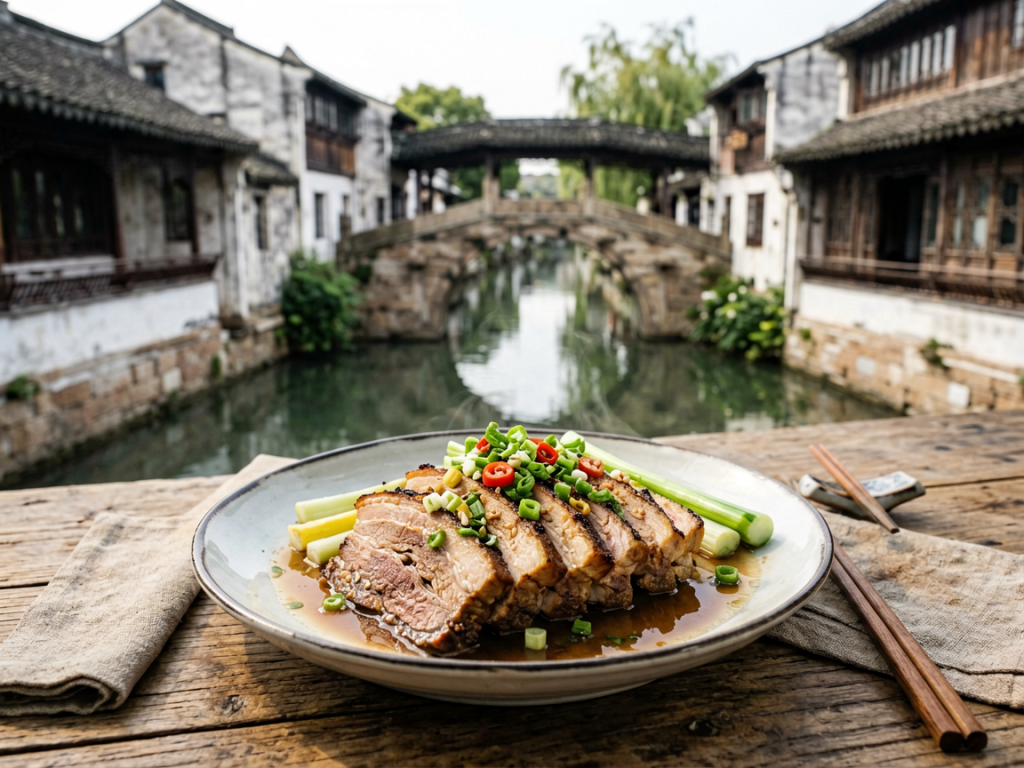
Order Braised Pork Belly. It’s fatty, rich, and sweet. It’s not for the faint of heart, but it’s a classic. Pair it with Huangjiu, a traditional yellow wine. It’s slightly sweet and goes surprisingly well with the heavy food. I had two cups. I felt warm and happy.
As you eat, listen to the background noise. It’s a mix of dialect, clinking glasses, and laughter. This is the sound of daily life. It’s chaotic but harmonious. It’s the heartbeat of Suzhou.
Why You Should Stay Longer
I could have stayed in Suzhou for a week. But two days is enough to get a taste. It’s not about seeing every garden. It’s about feeling the atmosphere. It’s about understanding why this city has been a cultural capital for so long.
The gardens teach you to look closer. The canals teach you to move slower. The food teaches you to appreciate simplicity. It’s a holistic experience. It changes your perspective, even if just for a weekend.
So, when you plan your trip, don’t rush. Take your time. Talk to the vendors. Ask the boatmen about their lives. Get lost in the alleys. That’s where the magic happens. Suzhou isn’t just a destination. It’s a mood. And once you catch it, you’ll want to stay.
Trust me. You won’t regret it.