
Exploring Chinese culture means diving into a world where ancient wisdom and vibrant modern life coexist in fascinating ways.
What Is The Summer Palace and Why Does It Matter?
The Summer Palace holds a special place in Chinese culture and daily life. Its roots stretch back hundreds — sometimes thousands — of years, woven into the fabric of Chinese society across generations. Understanding the summer palace is not just about facts and dates; it’s about grasping a living cultural force that continues to shape millions of lives today.
For travelers and enthusiasts alike, discovering the authentic story of the summer palace can be a profoundly rewarding experience. China’s vast geography and history have created remarkable regional variations, meaning that the summer palace can look and feel quite different depending on where in China you encounter it.
The History and Origins of The Summer Palace
The story of the summer palace begins long before recorded history, with traces found in archaeological sites across China. Scholars believe that early forms of what we now recognize as the summer palace developed during the Zhou dynasty period, though its golden age arguably came much later during the Tang and Song dynasties, when Chinese culture reached extraordinary heights of refinement.
Historical records and classic Chinese literature are filled with references to the summer palace, suggesting it was already deeply embedded in the cultural consciousness centuries ago. Over time, regional masters, artisans, scholars, and ordinary people each added their own contributions, creating the rich and varied tradition we know today.
Key Aspects of The Summer Palace Explained
To truly appreciate the summer palace, it helps to understand its core elements. These can vary significantly depending on the regional style, the historical period, and the specific context in which the summer palace is being experienced.
Experts in the summer palace often emphasize that what appears simple on the surface conceals remarkable depth. This is one of the characteristics that makes the summer palace so endlessly fascinating: there is always more to learn, more to appreciate, and more to experience, no matter how long you have been studying or practicing it.
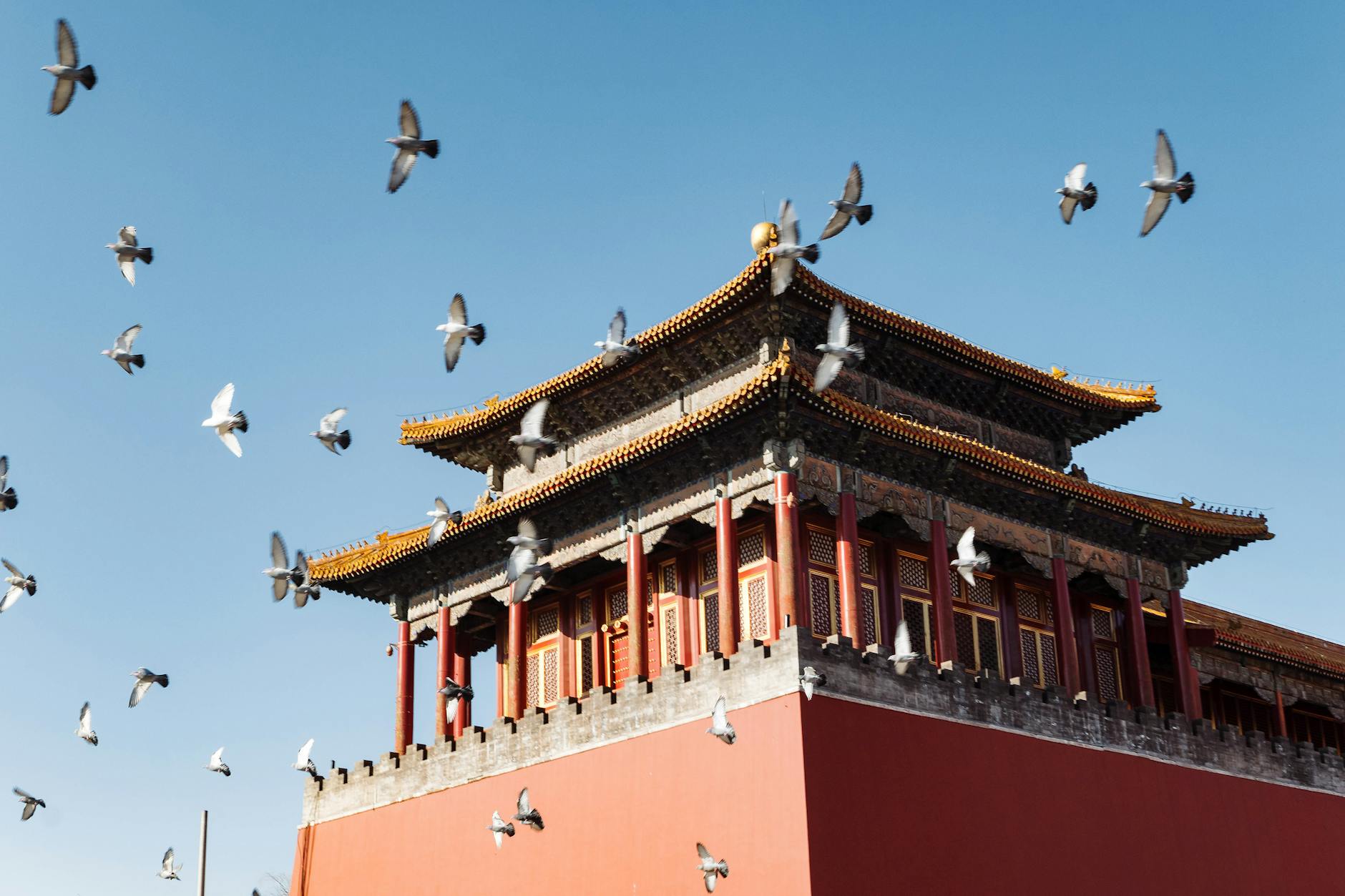
How to Experience The Summer Palace Authentically
If you want to experience the summer palace in its most authentic form, China is naturally the best place to do so. However, not all experiences are equal — there is a significant difference between the tourist-oriented versions marketed in popular areas and the genuine cultural experiences found when you dig a little deeper.
Seek out local practitioners, community spaces, and regional centers where the summer palace is still very much a living tradition rather than a performance. Talking to local people, visiting smaller cities and towns, and approaching the experience with genuine curiosity will open doors that most tourists never find.
Regional Variations of The Summer Palace Across China
One of the most fascinating aspects of the summer palace is how dramatically it can vary from one region of China to another. China’s enormous size — roughly equivalent to the entire European continent — means that geography, climate, local history, and cultural influences have produced strikingly different regional expressions of the summer palace.
In northern China, the summer palace tends to reflect the bold, hearty spirit of the region — robust, direct, and deeply tied to the land. In the south, particularly in Guangdong and Fujian provinces, you’ll find more delicate, nuanced expressions influenced by maritime trade and subtropical abundance. The western provinces add yet another dimension, shaped by minority cultures, high-altitude environments, and the ancient trade routes of the Silk Road.
The Summer Palace in Modern China
While deeply rooted in tradition, the summer palace continues to evolve in fascinating ways in contemporary China. A new generation of Chinese people are rediscovering and reinterpreting their cultural heritage, blending ancient forms with modern sensibilities to create something fresh yet deeply connected to the past.
Social media has played a significant role in this cultural renaissance, with young Chinese creators sharing content about the summer palace to massive audiences online. This digital enthusiasm has sparked renewed interest not just within China but globally, introducing the summer palace to audiences who might never have encountered it otherwise.
Tips for Visitors: Making the Most of The Summer Palace
If you’re planning to incorporate the summer palace into your China travel itinerary, a little advance preparation will significantly enhance your experience. Here are some practical tips from experienced travelers and cultural enthusiasts:
First, do your research before you arrive. Understanding the basic context of the summer palace — its history, regional variations, and cultural significance — will help you ask better questions and notice details that untrained visitors might miss. Second, be patient. Some of the best experiences related to the summer palace require time: time to explore, time to build rapport with locals, and time to let the experience unfold naturally rather than rushing through a checklist.
Why The Summer Palace Continues to Captivate the World
The global fascination with the summer palace shows no signs of diminishing. If anything, as China’s profile on the world stage continues to rise, international interest in all aspects of Chinese culture — including the summer palace — is growing rapidly.
What makes the summer palace so universally compelling is its ability to speak to something fundamental in human experience: the desire for beauty, meaning, connection, and mastery. Whether you encounter the summer palace as a food, an art form, a physical practice, or a philosophical framework, it offers something genuinely valuable that transcends cultural boundaries.
We at Cyber China believe that understanding the summer palace is one of the most rewarding paths to understanding China itself — its people, its history, and its vision for the future. We hope this guide has given you a solid foundation and inspired you to explore further. Stay tuned for more in-depth articles, travel guides, and cultural insights from across the Middle Kingdom.