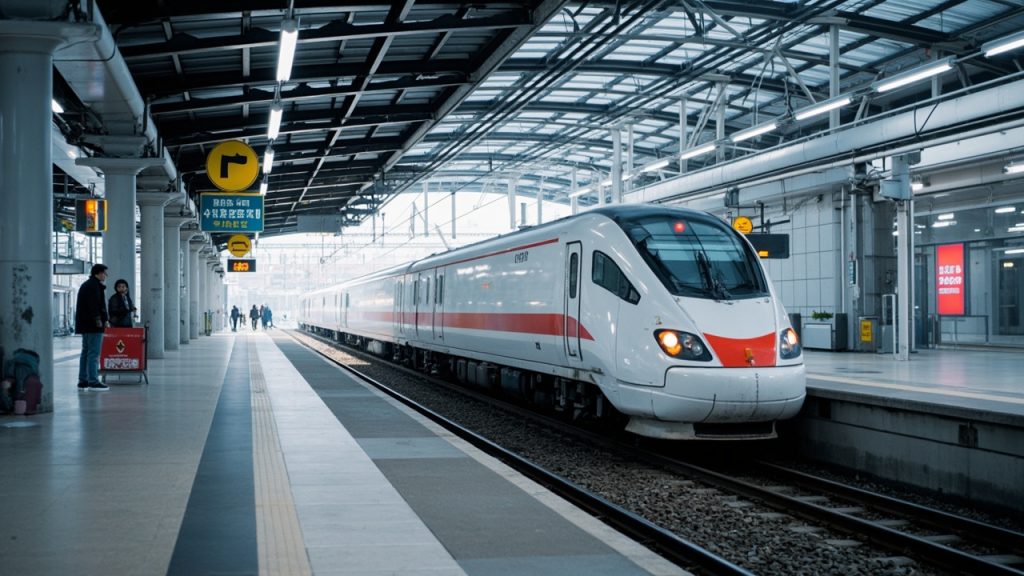
China high-speed rail network is the largest and most advanced in the world, spanning over 40,000 kilometers and connecting virtually every major city in the country. Traveling by high-speed train offers an efficient, comfortable, and affordable way to explore China’s diverse regions while avoiding the hassles of air travel. For many travelers, the train journey itself becomes a highlight of their China trip, offering window views of dramatic landscapes that reveal the country’s geographical diversity.
China high-speed rail system, known as gao tie, began development in the early 2000s and has expanded at an astonishing pace. The network now serves over 500 cities, with trains operating at speeds up to 350 kilometers per hour. The system has transformed domestic travel in China, making it possible to travel between Beijing and Shanghai in just four and a half hours, a journey that once took over 12 hours. The punctuality, frequency, and coverage of the network make it the preferred transportation option for both business and leisure travelers within China.
Classes of Service
China high-speed trains offer several classes of service to suit different budgets and preferences. Second class is the most economical option, with seats arranged in a 3-2 configuration that provides adequate legroom and comfort for journeys of any length. First class offers wider seats in a 2-2 configuration, with more legroom and complimentary snacks and drinks on some routes. Business class provides the highest level of comfort, with seats that recline fully into beds, privacy dividers, and premium meal service. The differences between classes are significant enough that upgrading for longer journeys is worth the additional cost. All classes have access to clean restrooms, power outlets, and dining cars that serve hot meals, snacks, and beverages.
Booking Tickets
Booking high-speed rail tickets in China has become easier for international travelers. The official China Railway website and app, 12306, now supports English language and international payment methods including credit cards and PayPal. Third-party booking platforms like Ctrip and Trip.com charge small service fees but provide English-friendly interfaces and customer support. Tickets go on sale 15 days in advance and sell out quickly for popular routes during peak travel seasons. Passport numbers are required for booking, and tickets are tied to specific trains and seats. Collecting tickets at the station before boarding requires presenting the passport used for booking at automated machines or ticket counters.
The Station Experience
China high-speed rail stations are modern, efficient, and well-organized, though their size can be intimidating for first-time users. Arriving at least 30 minutes before departure for short journeys and 60 minutes for major stations allows adequate time for security screening and finding the correct waiting area. Luggage security screening is required before entering the station concourse. The waiting areas are organized by train number, with electronic boards displaying departure information in both Chinese and English. Boarding begins about 15 minutes before departure, and the platforms are accessed through gates that scan your ticket QR code.
Onboard Experience
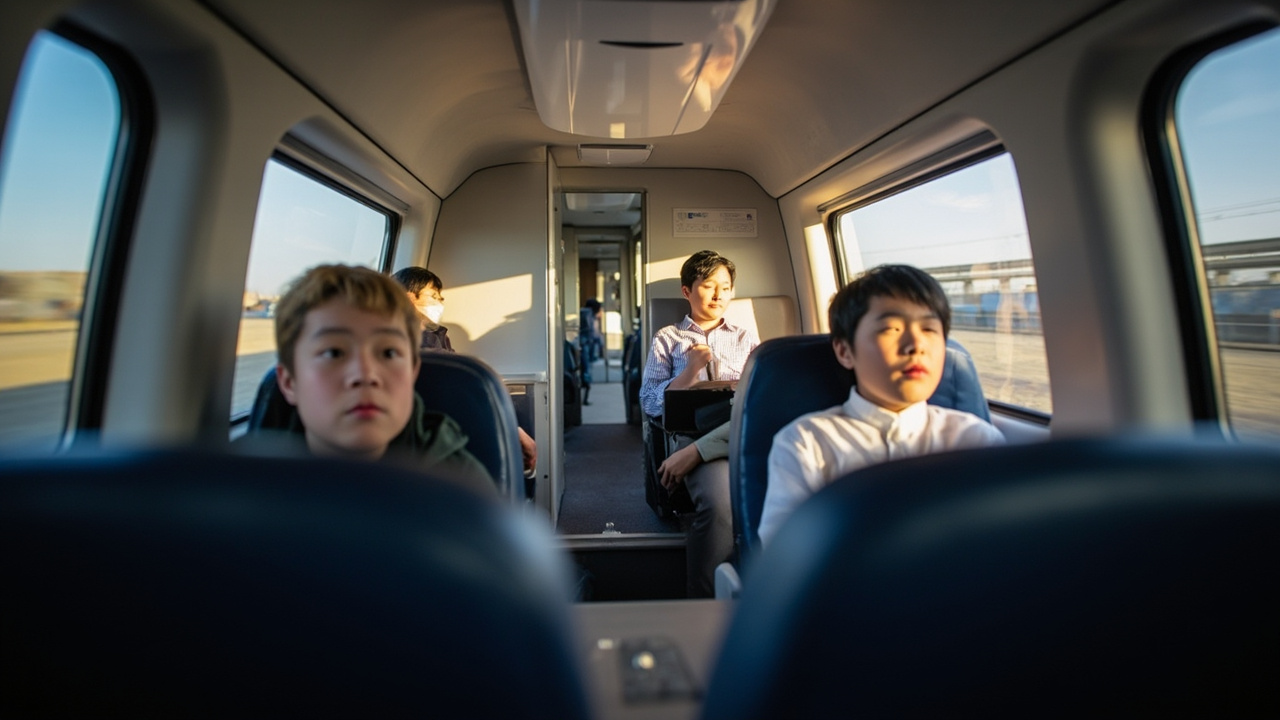
The onboard experience on China high-speed trains is comfortable and efficient. Trains are clean, air-conditioned, and remarkably quiet at high speeds. The ride is smooth enough to work on a laptop, read, or eat comfortably. Power outlets at each seat allow charging of devices throughout the journey. Dining cars on longer routes serve hot meals, snacks, and beverages at reasonable prices, while attendants pass through the carriages periodically with trolleys offering drinks and snacks. English-language announcements provide departure and arrival information at each stop. The windows offer panoramic views of changing landscapes that make long journeys visually rewarding.
Conclusion
China high-speed rail system offers travelers an efficient, comfortable, and memorable way to explore this vast country. The combination of speed, punctuality, and coverage makes train travel the optimal choice for intercity transportation in China. For many travelers, the experience of gliding through the Chinese countryside at 300 kilometers per hour becomes one of the most memorable aspects of their China journey.