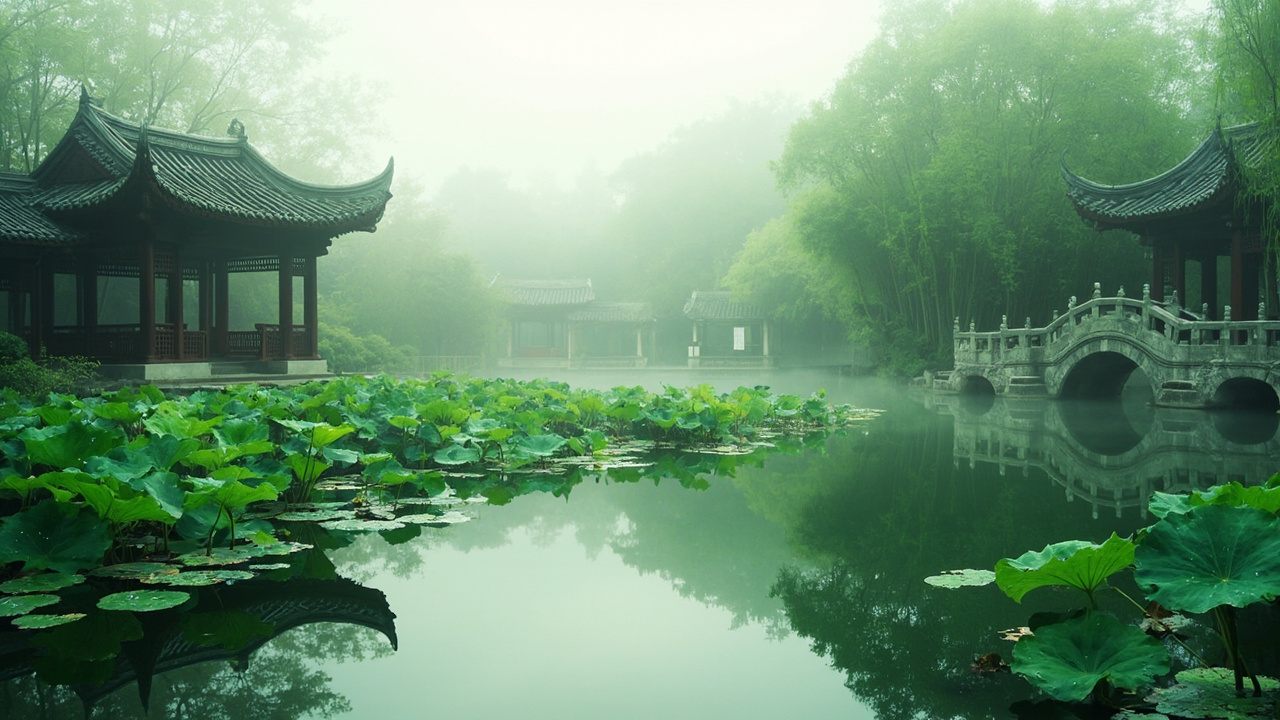
Hangzhou, the capital of Zhejiang province, has been celebrated for centuries as one of China’s most beautiful cities. The famous saying from Marco Polo describes Hangzhou as the finest and most splendid city in the world. The city’s centerpiece is West Lake, a UNESCO World Heritage site surrounded by temples, gardens, and pagodas that have inspired poets and painters for over a thousand years. Hangzhou offers visitors a perfect combination of natural beauty, cultural heritage, and modern prosperity.
Hangzhou’s history stretches back over 2,200 years, with the city serving as the capital of the Southern Song Dynasty for over 150 years. This period of imperial patronage established Hangzhou as a center of culture, art, and commerce that has persisted to the present day. The city’s location on the Grand Canal, the world’s longest man-made waterway, and its proximity to the coastal trading centers of Zhejiang have made it economically important throughout Chinese history. Today, Hangzhou is headquarters to Alibaba, one of the world’s largest technology companies, creating a fascinating contrast between ancient traditions and modern innovation.
West Lake: The Heart of Hangzhou
West Lake is the soul of Hangzhou, a body of water that has been celebrated in Chinese poetry, painting, and folklore for centuries. The lake is divided by causeways into several sections, with each area offering different views and experiences. The lake’s beauty changes dramatically with the weather and seasons, from misty spring mornings to snowy winter evenings. Ten classic scenes of West Lake were identified during the Southern Song Dynasty, each capturing a specific combination of weather, season, and location. The Broken Bridge, despite its name, is not broken but appears to break when snow accumulates on one side while melting on the other, creating one of West Lake’s most famous scenes. Visitors can explore the lake by foot, bicycle, or boat, with each mode of transport offering different perspectives on the lake’s beauty.
Longjing Tea Culture
Hangzhou is the home of Longjing, or Dragon Well, China’s most famous green tea. The tea is grown in the hills surrounding West Lake, where the unique combination of soil, climate, and traditional processing methods produces tea of exceptional quality. The Longjing tea area is divided into five designated production zones, with the tea from each zone having distinct characteristics. Visitors can tour the tea plantations, observe the traditional pan-firing process where tea leaves are heated by hand in large woks, and taste the fresh tea at source. The best time to visit the tea plantations is during the spring harvest in March and April, when the fresh tea leaves are being picked and processed. The China National Tea Museum in Hangzhou offers comprehensive exhibits on tea history and culture that deepen appreciation of this important aspect of Chinese culture.
Historic Sites and Gardens
Hangzhou contains numerous historic sites that reflect its imperial heritage. Lingyin Temple, one of China’s largest and most important Buddhist temples, dates back to the 4th century and is surrounded by forested hills and ancient rock carvings. The temple complex includes multiple halls, pagodas, and grottoes that demonstrate the richness of Chinese Buddhist art and architecture. The Six Harmonies Pagoda, built in the 10th century to tame the Qiantang River’s tidal bore, offers spectacular views of the river and the city from its upper levels. The pagoda’s name reflects the Buddhist concept of six harmonies that must be achieved for spiritual progress. The Hefang Street area near West Lake has been restored to its Song Dynasty appearance, offering traditional shops, restaurants, and entertainment that recreate the atmosphere of ancient Hangzhou.
Modern Hangzhou
Despite its ancient heritage, Hangzhou is thoroughly modern in its infrastructure and economy. The city’s technology sector, centered around Alibaba’s headquarters, has made it one of China’s most innovative cities. The Qianjiang New City area, on the banks of the Qiantang River, showcases modern Chinese urban planning with its impressive skyline, riverside promenades, and cultural venues. The Hangzhou Grand Theater and the Zhejiang Art Museum offer world-class performances and exhibitions. The city’s metro system, which continues to expand, makes navigation convenient for visitors. Hangzhou’s combination of ancient beauty and modern vitality creates a unique urban environment where visitors can experience both traditional and contemporary China in a single trip.
Conclusion
Hangzhou’s reputation as one of China’s most beautiful cities is well-deserved, with its combination of West Lake, tea culture, and imperial heritage creating a destination that has delighted travelers for centuries. Allow at least two to three days to experience the major attractions, with additional time recommended for those who want to explore the surrounding countryside and tea plantations.