
Traditional Chinese weapons represent one of the world’s most diverse and sophisticated arsenals, developed over thousands of years of military history and martial arts practice. The Chinese martial arts tradition includes weapons ranging from simple staffs to elaborate chain weapons, each with its own techniques, training methods, and philosophical associations. Understanding traditional Chinese weapons provides insight into Chinese military history, martial arts culture, and the technological innovations that shaped warfare in East Asia.
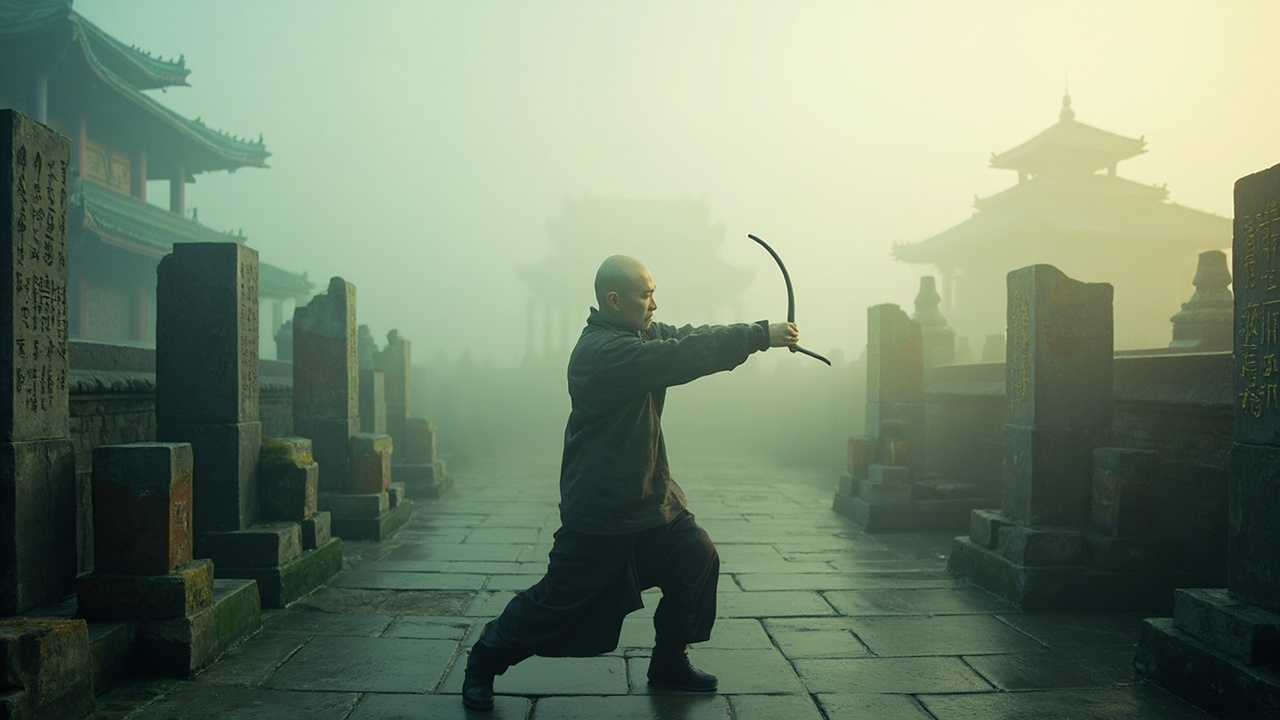
The development of Chinese weapons followed the same technological progression as weapons worldwide, from stone and bronze to iron and steel. However, Chinese weapons also evolved in unique directions due to the influence of martial arts practice, which preserved and refined ancient weapons techniques long after they had become obsolete on the battlefield. This preservation of traditional weapons practice is unique to East Asian martial arts and has created a living museum of weapons history that can still be studied and practiced today.
Categories of Chinese Weapons
Chinese weapons are traditionally classified into four main categories based on their characteristics and usage. Pole weapons, which include the spear, staff, and halberd, are considered the most important category because of their reach and versatility. The spear, called qiang, is known as the king of weapons and was the most common weapon on Chinese battlefields for thousands of years. Short weapons include swords and knives, with the straight sword, jian, being considered the gentleman of weapons, requiring the most skill and refinement to master. Flexible weapons, like the nine-section whip and rope dart, are the most difficult to learn and are known for their unpredictable attacks that are hard to defend against. Projectile weapons include bows, crossbows, and throwing weapons, with the Chinese crossbow being particularly advanced for its time.
The Jian: Gentleman of Weapons
The jian, or double-edged straight sword, is the most revered weapon in Chinese martial arts, associated with scholars, nobles, and immortals. The jian has been produced in China for over 2,500 years, with the earliest examples dating to the Spring and Autumn period. The weapon features a straight, double-edged blade that is equally sharp on both sides, allowing for cutting and thrusting attacks. The jian is known as the gentleman of weapons because it requires the most skill to use effectively and was traditionally carried by scholars as a symbol of their status and cultivation. Jian techniques emphasize grace, precision, and economy of movement, with the sword becoming an extension of the body rather than a separate implement. Famous legendary jian include the sword of Goujian, which remained sharp after 2,000 years buried in a tomb, and the swords of legendary Taoist immortals who were said to fly on their swords.
The Dao: Marshal of Weapons
The dao, or single-edged curved sword, is known as the marshal of weapons for its effectiveness in combat and relative ease of use compared to the jian. The dao features a curved blade with a single sharp edge, making it more robust and practical for battlefield use. Chinese military forces used various forms of dao throughout history, with the design evolving to suit different combat needs. The dao became the standard sidearm for Chinese soldiers from the Han Dynasty onward, replacing the jian as the primary military sword. The broadsword, a heavy dao with a wide blade, became a favorite weapon of martial artists and remains one of the most commonly practiced weapons in Wushu today. Dao techniques emphasize powerful, aggressive movements that overwhelm opponents with speed and force.
The Staff and Spear
The staff, or gun, is considered the foundation of all weapons training in Chinese martial arts, as the principles learned from staff practice transfer to other weapons. The staff is simple in design but offers extraordinary versatility, with techniques including striking, blocking, sweeping, and thrusting. Staff training develops coordination, power, and timing that are essential for all other weapons. The spear, or qiang, differs from the staff in having a sharp blade at one end, making it a far more dangerous weapon. The spear was the most important weapon on Chinese battlefields, used by infantry and cavalry alike for thousands of years. Spear techniques emphasize thrusting attacks delivered with body power rather than arm strength, allowing the user to penetrate armor and deliver devastating wounds.
Training with Traditional Weapons
Training with traditional Chinese weapons develops physical coordination, strength, and mental focus beyond what barehand practice alone can provide. Weapons training improves hand-eye coordination, as the practitioner must control a weapon that extends their reach and amplifies their movements. The weight and length of weapons develop strength and endurance in muscles not targeted by barehand training. Weapons forms require precise timing and spatial awareness, as the practitioner must control the weapon’s trajectory while maintaining balance and awareness of their surroundings. Traditional training begins with the staff as the foundation weapon, then progresses to the sword, and eventually to more complex weapons. Safety is paramount in weapons training, with students required to demonstrate control before practicing with partners.
Conclusion
Traditional Chinese weapons represent a rich heritage of martial technology and practice that continues to be studied and appreciated today. The diversity of weapons, from simple staffs to elaborate chain weapons, reflects the creativity and ingenuity of Chinese martial artists throughout history. Training with traditional weapons develops physical and mental qualities that extend beyond martial practice, providing benefits for focus, coordination, and personal development.