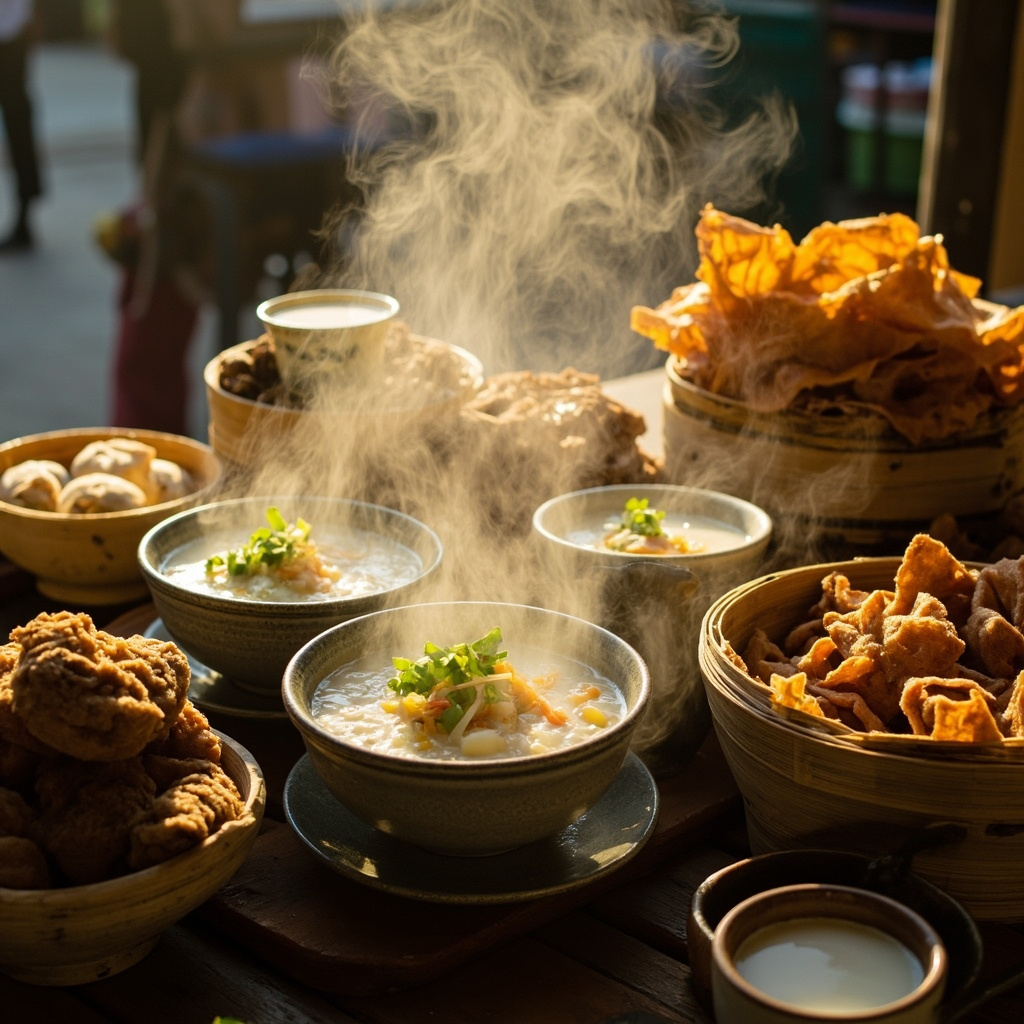
Introduction: The Magic of Chinese Breakfast
Chinese Breakfast represents one of the most captivating aspects of China’s vast cultural and natural heritage. From ancient traditions that have been passed down through generations to modern innovations that continue to shape the world, this topic offers an endless well of discovery for travelers, enthusiasts, and scholars alike.
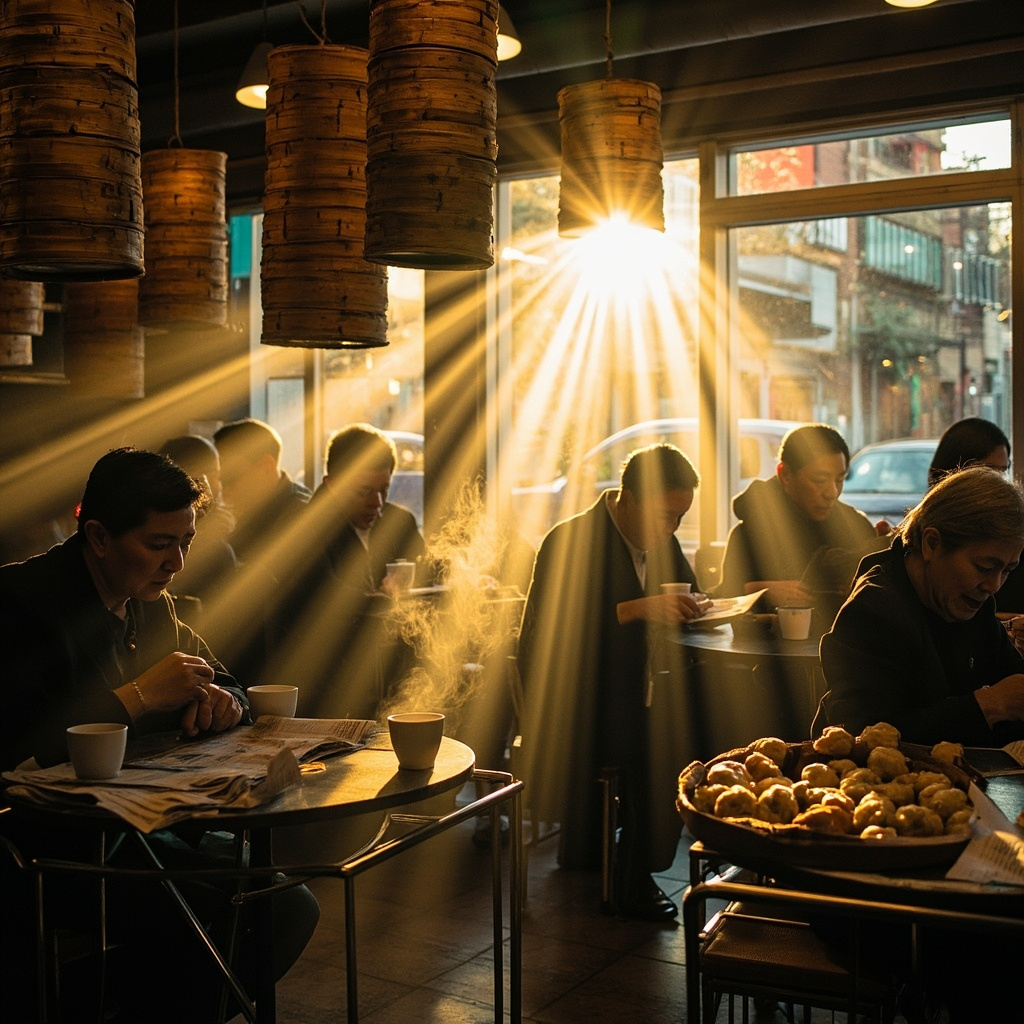
In this comprehensive guide, we will take you on an immersive journey through the history, cultural significance, practical tips, and hidden gems that make chinese breakfast: congee, dim sum and morning traditions an unforgettable experience. Whether you are planning your first visit or deepening your existing knowledge, this article will provide valuable insights that enrich your understanding.
The Historical Roots of Chinese Breakfast
The story of Chinese Breakfast begins thousands of years ago, deeply intertwined with the development of Chinese civilization itself. Archaeological discoveries and historical texts have revealed the profound significance of this tradition throughout various dynasties, from the ancient Zhou to the cosmopolitan Tang, the refined Song, and the expansive Qing.
Each era contributed unique elements that shaped what we recognize today. The Silk Road brought cultural exchanges that enriched local practices, while imperial patronage elevated certain forms to unprecedented heights of sophistication. Understanding this historical context is essential to fully appreciating the depth and complexity of Chinese Breakfast.
Cultural Significance in Modern China
Today, Chinese Breakfast continues to play a vital role in Chinese society, bridging the gap between ancient wisdom and contemporary life. Families pass down traditions from generation to generation, ensuring that essential practices remain alive and relevant. The respect for tradition combined with remarkable adaptability has allowed these customs to thrive in the modern era.
In major cities and rural villages alike, Chinese Breakfast manifests in daily life, festivals, and social gatherings. It serves as a reminder of cultural identity in an increasingly globalized world, while also evolving to incorporate new influences and meet the needs of changing times. This dynamic balance between preservation and innovation is perhaps the most remarkable aspect of Chinese culture.
Top Experiences and Highlights
For those eager to experience Chinese Breakfast firsthand, we have curated a selection of unmissable highlights. These represent the very best that this tradition has to offer, combining historical significance with breathtaking beauty and authentic cultural experiences.
From world-renowned landmarks to hidden gems known only to locals, each destination on this list offers a unique window into the soul of Chinese civilization. We have prioritized experiences that provide genuine cultural immersion while maintaining accessibility for international visitors.
Practical Tips for Visitors
Planning a journey to explore Chinese Breakfast requires careful preparation to ensure a rewarding experience. The best times to visit vary by region and season, with spring (March to May) and autumn (September to November) generally offering the most pleasant weather and optimal conditions.
Transportation options in China have never been better, with the world’s largest high-speed rail network connecting major destinations efficiently. Accommodation ranges from luxury international hotels to charming boutique guesthouses that offer authentic local experiences. We recommend learning a few basic Chinese phrases, as English is not widely spoken outside tourist areas.
Seasonal Considerations and Best Timing
Each season brings its own unique charm to Chinese Breakfast. Spring offers mild temperatures and blooming flowers, creating picturesque conditions for exploration. Summer, while hotter and more humid, provides opportunities to experience vibrant festivals and outdoor activities. Autumn is widely considered the most photogenic season, with clear skies, comfortable temperatures, and stunning fall foliage.
Winter brings its own magic, with fewer crowds and the possibility of witnessing snow-covered landscapes that transform familiar scenes into ethereal wonderlands. Some destinations are particularly enchanting during Chinese New Year, when celebrations reach their peak. Plan your visit according to your priorities, whether they involve photography, cultural events, or avoiding peak tourist periods.
Getting Off the Beaten Path
While popular attractions are popular for good reason, some of the most memorable experiences in Chinese Breakfast can be found away from the crowds. Venture into lesser-known neighborhoods, small towns, and rural areas where traditions remain authentic and tourism has not yet transformed the local character.
Engaging with local communities, trying street food from family-run stalls, and participating in traditional activities will create lasting memories that no guidebook can capture. These authentic encounters often become the highlight of any journey, providing insights into daily life that mass tourism rarely reveals.
Conclusion
Chinese Breakfast: Congee, Dim Sum and Morning Traditions represents a gateway to understanding one of the world’s oldest and most sophisticated civilizations. Whether you are drawn by historical curiosity, cultural appreciation, or the simple desire for extraordinary experiences, this journey promises rewards that extend far beyond the ordinary.
We hope this comprehensive guide has inspired you to explore deeper, travel smarter, and savor every moment of discovery. The wonders of China await, offering experiences that will transform your perspective and enrich your life in ways you never imagined. Start planning your journey today, and prepare for an adventure that will stay with you forever.