
Modern Wushu represents the evolution of traditional Chinese martial arts into a competitive sport and performance art that showcases athletic excellence and cultural heritage. Developed in the mid-20th century as a standardized system for teaching, training, and competition, Wushu has grown into an internationally recognized sport with world championships, a growing presence in major multi-sport events, and a dedicated following of practitioners and fans worldwide.
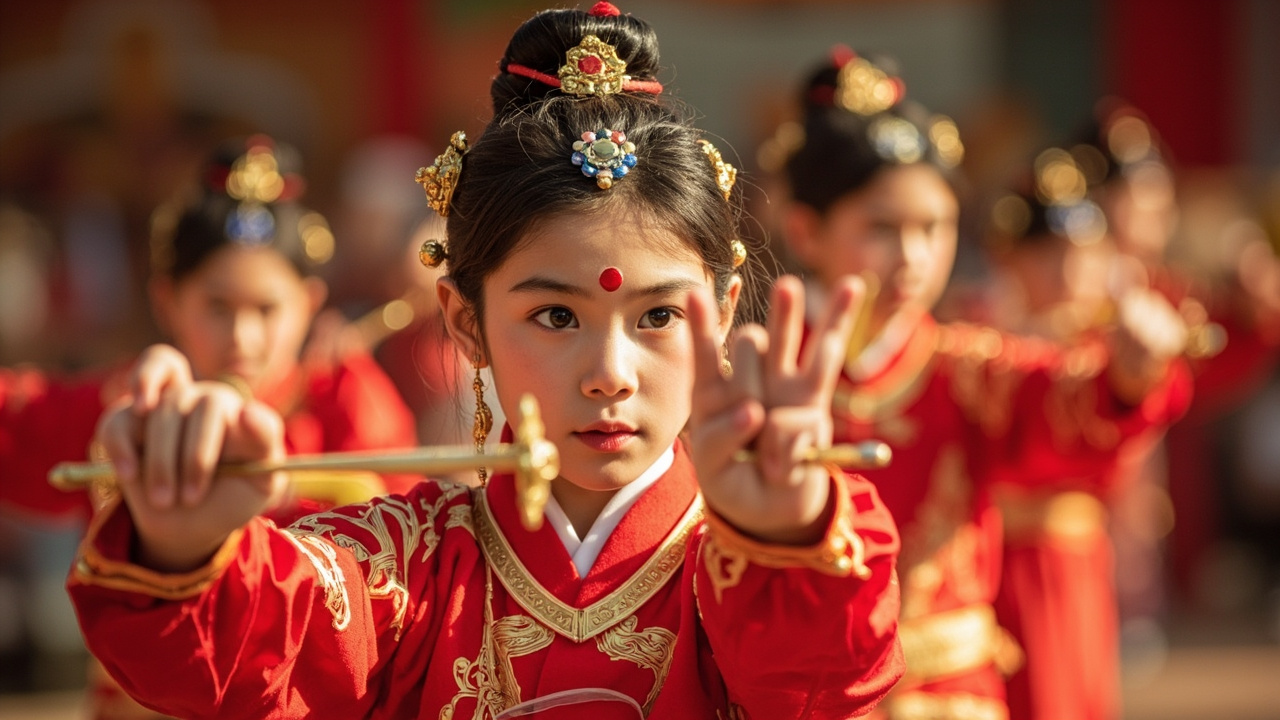
The transition of Chinese martial arts from folk practice to modern sport began in the 1950s when the Chinese government established standardized routines for teaching and competition. Traditional martial arts, which had been practiced in secret during periods when they were banned, were systematized and codified into forms that could be taught in schools and universities. This standardization preserved the techniques of traditional styles while making them accessible to a broader population. The term Wushu, which means martial arts, was adopted as the official name for this modern system.
Wushu Competition Categories
Wushu competition is divided into two main categories: taolu, or routines, and sanda, or free fighting. Taolu competition involves performing pre-determined sequences of techniques that demonstrate speed, power, precision, and artistic expression. Competitors are judged on the quality of their movements, the difficulty of their techniques, and the overall presentation of their routine. Taolu includes barehand routines and weapons routines, with traditional weapons like the broadsword, straight sword, spear, and staff being the most common. Sanda competition is a modern combat sport that combines techniques from traditional Chinese martial arts with rules designed for safety and fairness. Sanda matches feature punches, kicks, and throws, with competitors wearing protective gear. Matches are held on a raised platform called a lei tai, and points are awarded for clean techniques that demonstrate skill and effectiveness.
Training for Wushu
Wushu training requires exceptional physical conditioning, flexibility, and dedication. Athletes typically begin training at a young age, with many elite competitors having trained since they were five or six years old. The training regimen includes basic techniques, flexibility exercises, strength conditioning, and endless repetition of competition routines. Flexibility is particularly important in Wushu, with high kicks, splits, and acrobatic movements being common elements in competition routines. Athletes spend hours each day stretching and conditioning to achieve the range of motion required for advanced techniques. The difficulty and athleticism of modern Wushu routines have increased dramatically over the years, with competitors performing increasingly complex acrobatic elements including aerial flips, twists, and multiple rotations.
Wushu Around the World
Wushu has grown from its Chinese origins to become a truly international sport practiced in over 100 countries. The International Wushu Federation organizes world championships that attract competitors from all continents. Wushu has been included as a medal event in the Asian Games since 1990 and has been featured as a demonstration sport in other major events. The sport has been particularly successful in Southeast Asia, Russia, and the United States, where large Wushu communities have developed. International competitions have also led to cross-cultural exchange, with athletes from different countries sharing techniques and approaches that enrich the global Wushu community. The dream of Wushu becoming an Olympic sport continues to drive development of the sport at the international level.
Wushu in Media and Popular Culture
Wushu performances have become popular in film, television, and live entertainment, showcasing the athleticism and beauty of the sport. Many Wushu athletes have transitioned to careers in action cinema, where their skills are in high demand for fight choreography. Jet Li, perhaps the most famous Wushu practitioner in the world, was a national Wushu champion before becoming an international film star. His films introduced Wushu to global audiences and inspired countless young people to take up the sport. Wushu demonstration teams perform at cultural events, sports ceremonies, and tourism shows throughout China, presenting the art to audiences who may never attend a formal competition.
Conclusion
Modern Wushu represents a successful fusion of tradition and innovation, preserving the techniques and spirit of Chinese martial arts while adapting them for contemporary sport and entertainment. The athletic excellence, cultural depth, and growing international presence of Wushu ensure that this martial art will continue to thrive and evolve for generations to come.
Wushu in the Olympics
The inclusion of Wushu in the Olympic Games has been a long-term goal of the international Wushu community, with significant progress made in recent years. Wushu was included as a demonstration sport at the 2008 Beijing Olympics, showcasing the athletic excellence and cultural significance of the sport to a global audience. The International Wushu Federation has worked to meet Olympic requirements, including standardized competition rules, anti-doping protocols, and international governance structures. Wushu’s strong television appeal, with its combination of athleticism and artistry, makes it attractive for broadcasters. The sport has been included in the Asian Games since 1990 and has been added to the Youth Olympic Games, important steps toward full Olympic inclusion. While Wushu has not yet been added to the Olympic program for upcoming Games, the sport continues to develop its international presence and Olympic credentials. The eventual inclusion of Wushu in the Olympics would represent the culmination of decades of development and provide the sport with its largest platform yet.
Wushu Costumes and Presentation
The costumes worn in Wushu competition are designed to enhance the visual impact of performances while allowing freedom of movement. Competition uniforms are typically made of lightweight, flowing fabrics that emphasize the dynamic movements of the routines. The colors and designs of Wushu uniforms often reflect the style of Wushu being performed, with traditional styles using more conservative designs and modern competition styles using brighter colors and more dramatic cuts. Satin and silk are preferred materials for their visual appeal and the way they catch light during performance. The uniforms are designed to accentuate the athlete’s movements, with sleeves and hems that flow with kicks and turns. Presentation also includes proper hair styling and sometimes light makeup for performances, completing the visual presentation that is an important part of competition scoring. The care taken in presentation reflects the respect for the art and the importance of aesthetics in Wushu.
Wushu National Fitness
The Chinese government promotes Wushu as part of national fitness programs. Wushu is incorporated into school physical education curricula. Community programs offer classes for adults particularly seniors who practice simplified routines for health. The Morning Wushu phenomenon visible in parks across China demonstrates integration of martial arts into daily life. Health Qigong is officially recognized as a beneficial health practice.
Chinese acrobatics share training foundations with Wushu and performers often cross-train for enhanced abilities.
Wushu and Traditional Medicine
The connections between Wushu and traditional Chinese medicine run deep with both systems sharing concepts of qi energy meridians and the relationship between physical health and vital energy. Many Wushu masters also studied traditional medicine understanding how to treat injuries and maintain health through diet exercise and herbal remedies. The daoyin exercises that preceded Wushu were originally health practices designed to prevent disease and prolong life. Modern Wushu training incorporates principles from traditional medicine including the importance of warming up properly to prevent injuries and using specific exercises to strengthen vulnerable areas. The emphasis on flexibility in Wushu training reflects the traditional medicine belief that flexible joints and tendons indicate good health and prevent injuries. Understanding these connections enriches Wushu practice and provides insight into the holistic approach to health that characterizes traditional Chinese culture.