Hong Kong is one of the world’s most dynamic cities, a former British colony that returned to Chinese sovereignty in 1997 and has developed into a global financial center and tourist destination. The city’s unique combination of Chinese and Western influences, its spectacular harbor setting, and its reputation as a shopping and dining paradise make it an essential stop on any China itinerary. Despite its reputation as an expensive destination, Hong Kong offers experiences for every budget, from luxury shopping to affordable street food.
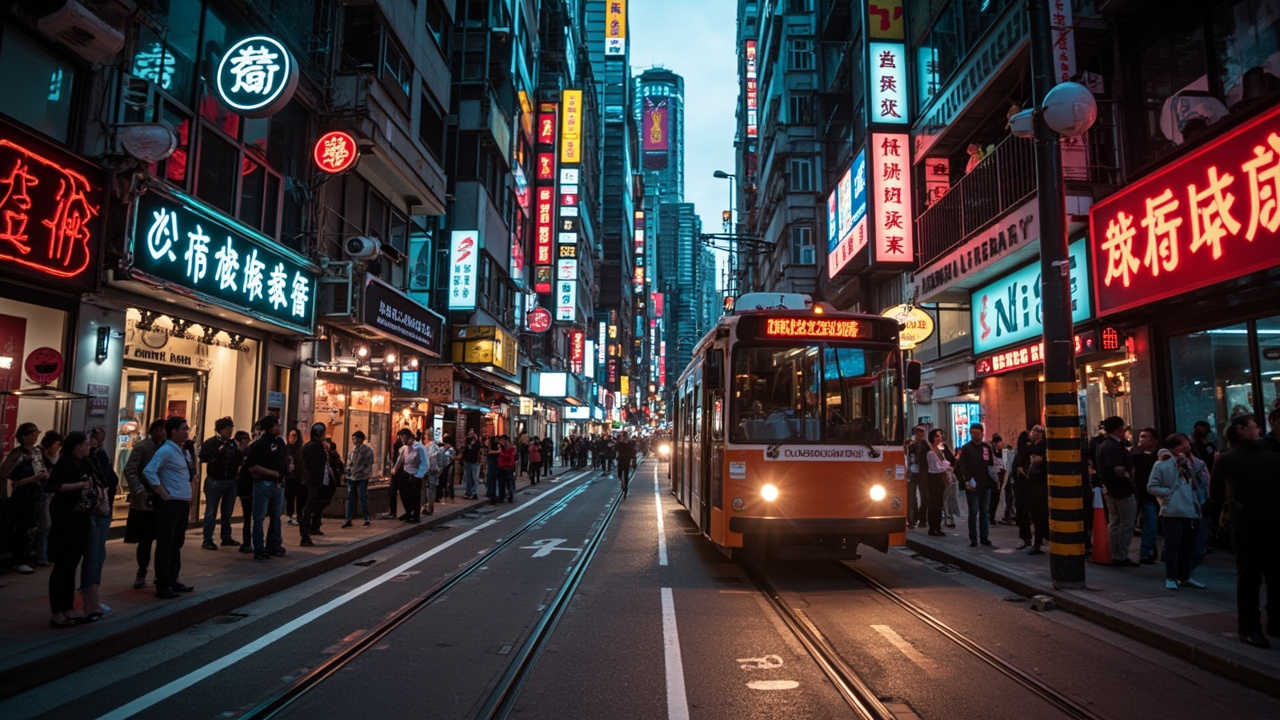
Hong Kong’s history as a British colony from 1842 to 1997 has shaped its character in ways that distinguish it from mainland Chinese cities. The British introduced English common law, educational systems, and cultural influences that remain visible in Hong Kong society today. The policy of one country, two systems, which guarantees Hong Kong a distinct legal and economic system for 50 years after the handover, has preserved these differences. The result is a city that feels simultaneously Chinese and international, where traditional temples stand beside modern skyscrapers and Cantonese opera coexists with Western classical music.
Top Attractions in Hong Kong
Hong Kong offers attractions that range from natural beauty to urban excitement. Victoria Peak provides the most famous view of the city, with the Peak Tram carrying visitors to the summit for panoramic views of Victoria Harbour and the Hong Kong Island skyline. The view at night, when the city lights reflect on the harbor waters, is one of the world’s great urban spectacles. The Star Ferry, which has operated since 1888, offers a cheap and scenic way to cross Victoria Harbour between Hong Kong Island and Kowloon. The Symphony of Lights show, which illuminates buildings on both sides of the harbor each evening, is the world’s largest permanent light and sound show. Hong Kong Disneyland offers a smaller but charming alternative to its counterparts, with unique attractions that reflect Hong Kong culture. The Tian Tan Buddha on Lantau Island, a 34-meter-tall bronze statue, can be reached by a scenic cable car ride that offers spectacular views of the surrounding islands and sea.
Hong Kong Food Scene
Hong Kong’s food scene is legendary, with more restaurants per capita than almost any city in the world. Cantonese cuisine is the foundation, with dim sum being the most famous culinary experience. Traditional tea houses serve dim sum from carts that circulate through the dining room, allowing diners to select dishes as they pass. Hong Kong’s street food culture is equally important, with stalls throughout the city serving fish balls, egg waffles, curry fishballs, and stinky tofu. The dai pai dong, open-air food stalls that were once ubiquitous, have become rarer due to regulation but can still be found in areas like Temple Street. Hong Kong also offers exceptional international cuisine, with Japanese, Korean, Thai, Indian, and Western restaurants of the highest quality. The city’s status as a free port means that ingredients from around the world are available, and chefs have access to the best produce regardless of origin.
Shopping in Hong Kong
Hong Kong is one of the world’s premier shopping destinations, offering everything from luxury brands to bargain markets. Causeway Bay and Tsim Sha Tsui contain the highest concentration of shopping malls, with luxury brands, electronics stores, and department stores. The city’s status as a duty-free port means that prices are often lower than in other major shopping destinations, particularly for luxury goods, electronics, and cosmetics. Temple Street Night Market offers a more traditional shopping experience, with stalls selling clothing, accessories, watches, and souvenirs at negotiable prices. The Ladies’ Market on Tung Choi Street is famous for affordable clothing and accessories, though the name is misleading as it sells goods for both genders. Jade Market in Yau Ma Tei offers jade jewelry and ornaments, though buyers should be knowledgeable to avoid fakes. Shopping in Hong Kong can be competitive, and bargaining is expected at markets but not in department stores or luxury boutiques.
Day Trips from Hong Kong
Hong Kong’s location makes it an excellent base for exploring surrounding areas. Macau, the former Portuguese colony known as the Las Vegas of Asia, is just an hour away by ferry and offers casinos, Portuguese architecture, and unique Macanese cuisine that blends Chinese and Portuguese influences. The Big Buddha and Po Lin Monastery on Lantau Island can be combined with a visit to the fishing village of Tai O, known as the Venice of Hong Kong for its stilt houses and waterways. The Hong Kong UNESCO Global Geopark features unusual rock formations, sea caves, and hiking trails that showcase the region’s geological diversity. Cheung Chau Island offers a glimpse of traditional Hong Kong island life, with its fishing harbor, temples, and seafood restaurants. Each of these destinations offers a different perspective on the region.
Conclusion
Hong Kong offers a unique travel experience that combines the best of Chinese and international culture in a spectacular urban setting. The city’s energy, diversity, and efficiency make it an ideal introduction to East Asia for first-time visitors. Allow at least three to four days for a comprehensive visit that covers the major attractions while allowing time for spontaneous discoveries.
Hong Kong’s Best Hiking Trails
Despite its reputation as an urban jungle, Hong Kong has numerous hiking trails that showcase its surprising natural beauty. The Dragon’s Back trail offers spectacular coastal views with relatively easy terrain, making it the most popular hike in Hong Kong. The trail follows a ridge that resembles a dragon’s spine, with views of Shek O beach, the South China Sea, and the surrounding islands. The MacLehose Trail, a 100-kilometer trail that crosses the New Territories, offers sections suitable for day hikes with varying difficulty levels. The section through Sai Kung East Country Park features volcanic rock formations and pristine beaches. The Lantau Trail on Lantau Island circles the island and offers views of the Big Buddha, mountain scenery, and coastal panoramas. The Peak Circle Walk around Victoria Peak provides an easy walk with spectacular views of the harbor and skyline. Hong Kong’s hiking trails demonstrate that this densely populated city also offers remarkable access to nature.
Hong Kong’s Outlying Islands
Hong Kong’s outlying islands offer escapes from the urban intensity and glimpses of traditional island life. Lamma Island, a short ferry ride from Hong Kong Island, has no cars and maintains a relaxed atmosphere with seafood restaurants, hiking trails, and beaches. The island’s two main villages, Yung Shue Wan and Sok Kwu Wan, are connected by a scenic hiking trail that offers coastal views. Cheung Chau Island features a fishing harbor, temples, and the annual Bun Festival with its unique climbing tower tradition. Peng Chau Island, the smallest of the main outlying islands, offers quiet walks and a glimpse of traditional island life that has largely disappeared from more developed areas. Lantau Island, the largest outlying island, contains Hong Kong’s airport, Disneyland, and extensive hiking trails alongside traditional villages and monasteries. Each island offers a different experience and a different perspective on Hong Kong.
Hong Kong Museums
The Hong Kong Palace Museum displays treasures from Beijing Forbidden City. The Museum of History covers Hong Kong development from prehistoric times to present. The Science Museum features interactive exhibits for families. M Plus showcases contemporary Asian art. The Cultural Centre hosts performances from classical music to Chinese opera. Each museum offers different perspectives on Hong Kong rich cultural heritage.