
Traditional Chinese music represents one of the world’s oldest and most sophisticated musical traditions, with a history spanning over 3,000 years. Unlike Western music, which emphasizes harmony and polyphony, traditional Chinese music focuses on melody, timbre, and the expression of mood and atmosphere through single melodic lines. The music is intimately connected to Chinese philosophy, poetry, and visual arts, creating a unified aesthetic tradition that has influenced East Asian culture for centuries.
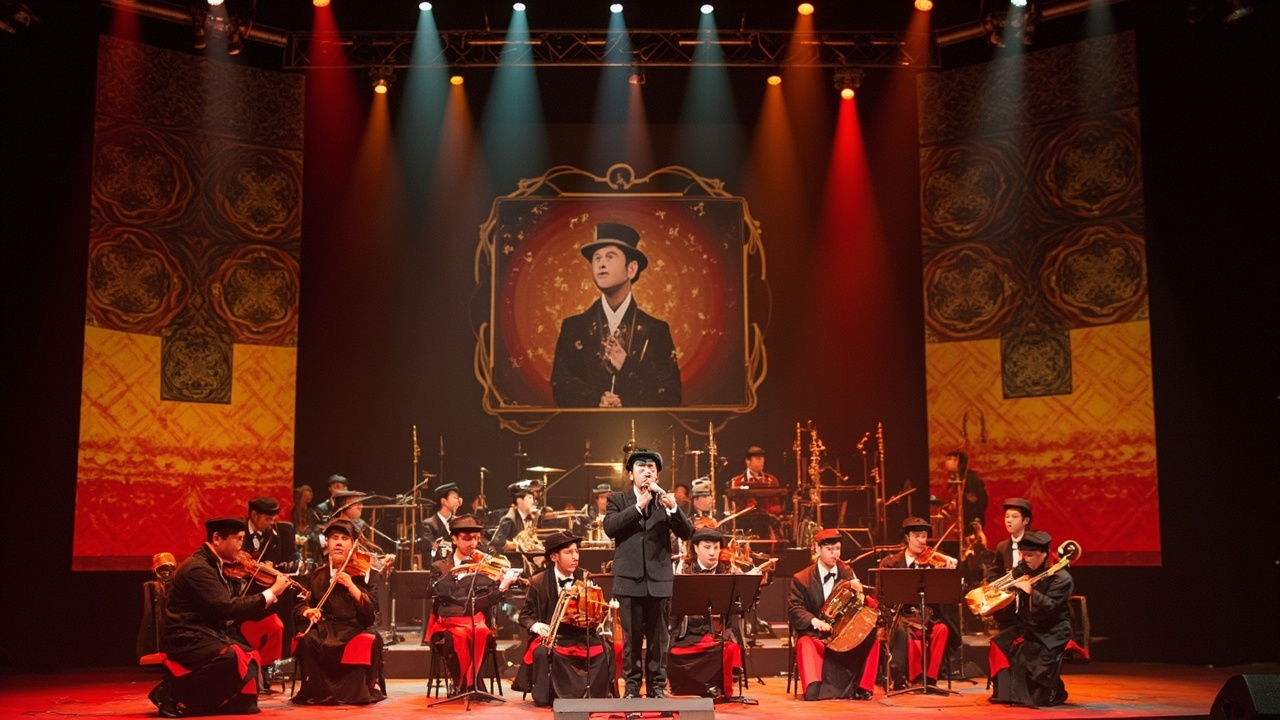
The foundations of Chinese music were established during the Zhou Dynasty over 2,500 years ago, when music was considered an essential tool for moral cultivation and social harmony. The philosopher Confucius emphasized music educational and ethical value, stating that music produces a kind of pleasure which human nature cannot do without. The imperial court maintained elaborate music departments that developed and preserved musical traditions, and music was an integral part of court ceremonies, religious rituals, and scholarly pursuits. The qin, a seven-stringed zither, was particularly revered as the instrument of scholars and was considered one of the four essential arts that educated gentlemen were expected to master, alongside calligraphy, painting, and chess.
Traditional Chinese Instruments
Chinese musical instruments are classified by their material of construction according to the ancient bayin system developed over 2,000 years ago. The guzheng, a plucked zither with 21 strings, produces a beautiful, flowing sound that has made it one of China’s most popular instruments, capable of expressing a wide range of emotions from gentle melodies to dramatic passages. The pipa, a pear-shaped lute with four strings, can imitate the sounds of warfare, nature, and human emotions through its sophisticated playing techniques. The erhu, a two-stringed bowed instrument, produces a sound that has been described as both mournful and sweet, capable of expressing deep emotion. The dizi, a transverse bamboo flute, creates bright, clear notes that evoke the natural world. The suona, a double-reed horn, produces loud, penetrating sound used in festivals and celebrations. Each instrument has its own repertoire of traditional pieces and techniques that have been developed over centuries.
Regional Music Traditions
China vast geography and ethnic diversity have created distinctive regional music traditions that reflect local cultures and influences. Jiangnan sizhu, silk and bamboo music from the region south of the Yangtze River, features string and wind instruments playing gentle, refined melodies that evoke the area scenic landscapes. Cantonese music from Guangdong province is more lively and rhythmic, often incorporating Western instruments alongside traditional Chinese ones. The music of the Uyghur people in Xinjiang shows Central Asian influences, with lively rhythms and instruments like the rawap and dap drum. Tibetan music features deep chanting and long horns used in Buddhist ceremonies, creating sounds that are among the most distinctive in China. Each regional tradition maintains its own repertoire and performance practices while contributing to the diversity of Chinese musical heritage.
Chinese Opera Music
Chinese opera combines music, vocal performance, dance, and acrobatics in spectacular theatrical productions that represent one of China’s most complex art forms. Each regional opera style has its own musical conventions, with Peking Opera being the most famous. The music of Peking Opera features the jinghu, a high-pitched two-stringed fiddle, accompanied by percussion instruments that include drums, gongs, and cymbals. The vocal style is highly stylized, with performers trained to project their voices without amplification using techniques developed over centuries. The music follows specific patterns associated with different character types, emotions, and dramatic situations, creating a sophisticated musical language that audiences learn to interpret. The relationship between music and performance is highly codified, with specific musical cues signaling important dramatic moments and character entrances.
Modern Chinese Music
Contemporary Chinese music continues to evolve, blending traditional elements with Western and popular influences. Composers like Tan Dun have gained international recognition for works that combine Chinese instruments with Western orchestral traditions, creating a new musical language that spans both cultures. Pop music in China has grown into a massive industry, with artists like Jay Chou incorporating traditional Chinese melodies and instruments into contemporary pop songs. Traditional instruments are increasingly featured in film scores, television productions, and popular songs, introducing new audiences to their sounds. Music education in China has produced world-class performers who excel in both Chinese and Western traditions, performing on global stages and winning international competitions.
Conclusion
Chinese music offers a window into the aesthetic values and philosophical principles that have shaped Chinese civilization for millennia. The emphasis on melody, timbre, and atmosphere rather than harmony and structure reflects a different approach to musical expression that rewards attentive listening. Experiencing traditional Chinese music, whether in a concert hall or at a temple festival, connects listeners to a cultural tradition that has been evolving for over 3,000 years and continues to inspire new generations of musicians and audiences.
Learning Traditional Chinese Instruments
Learning to play a traditional Chinese instrument offers a unique connection to Chinese culture and develops musical skills that differ from Western music training. The guzheng is the most popular instrument for beginners, with its numbered notation system making it relatively accessible for new learners. The erhu, while seemingly simple with only two strings, requires years of practice to master its demanding techniques. Many music schools in Chinese cities offer short-term courses for international visitors who want to experience playing these instruments. Online resources, including video tutorials and sheet music, have made learning more accessible than ever. Even short exposure to playing traditional instruments deepens appreciation for Chinese music and provides insight into the techniques required to produce sounds that are central to Chinese musical aesthetics.
Contemporary Chinese Music Scene
China’s contemporary music scene is diverse and dynamic, ranging from massive pop stars to underground indie bands. Mandopop, Mandarin-language popular music, dominates the Chinese music industry with artists like Jay Chou, Jolin Tsai, and Wang Leehom achieving superstar status across Asia. These artists frequently incorporate traditional Chinese instruments and melodies into their pop songs, creating a distinctive sound that bridges tradition and modernity. Rock music has a devoted following in China, with bands like Cui Jian, the godfather of Chinese rock, and newer acts like New Pants and Omnipotent Youth Society attracting large audiences. Electronic music has grown rapidly, with Chinese DJs and producers gaining international recognition. Music festivals have proliferated in recent years, with events like Strawberry Music Festival and Midi Festival drawing crowds of young Chinese music fans. The government controls on music content have shaped the industry in ways different from Western markets, creating a unique music ecosystem.
Chinese Music in Film Scores
Chinese music has made significant contributions to film scoring, both in Chinese cinema and in international films. Tan Dun’s score for Crouching Tiger, Hidden Dragon won an Academy Award and introduced global audiences to the emotional possibilities of Chinese instruments in film music. The erhu’s mournful sound and the guzheng’s flowing melodies became associated with martial arts epics and historical dramas. Zhang Yimou’s films like Hero and House of Flying Daggers feature scores that prominently use Chinese instruments, creating soundtracks that are as memorable as the visual elements. International composers have increasingly incorporated Chinese instruments into their scores for films set in China or dealing with Chinese themes. The unique timbres of Chinese instruments provide composers with distinctive sounds that cannot be reproduced by Western instruments. This cross-cultural musical exchange has enriched both Chinese and international cinema.