
Guangzhou, the capital of Guangdong province, stands as one of China’s most dynamic and historically significant cities. Known as the City of Goats and the starting point of the Maritime Silk Road, Guangzhou has been a center of international trade for over 1,000 years. Today, this vibrant metropolis of 15 million people offers visitors a unique combination of Cantonese culture, world-class cuisine, and modern urban development that makes it one of China’s most compelling destinations.
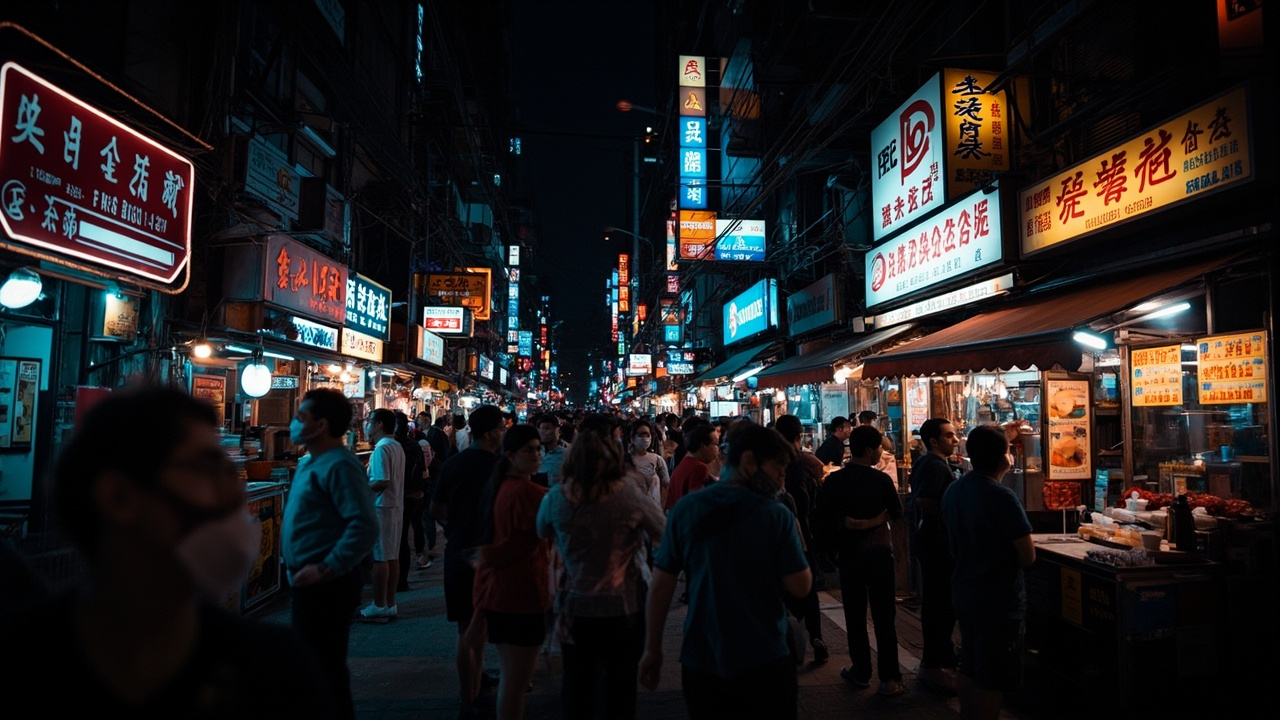
Guangzhou history as a trading port has shaped its character in profound ways. The city was the only Chinese port open to foreign trade during much of the Qing Dynasty, creating a unique fusion of Chinese and Western influences that is still visible in its architecture, cuisine, and culture. The city’s location in the Pearl River Delta has made it a gateway between China and the world, and this cosmopolitan heritage is evident in everything from its food to its people. The Cantonese language and culture, which developed in and around Guangzhou, have spread throughout Southeast Asia and the world through waves of emigration.
Top Attractions in Guangzhou
Guangzhou offers attractions that span its long history and rapid modern development. The Canton Tower, standing at 600 meters, is the city’s most recognizable landmark, offering observation decks with panoramic views of the entire Pearl River Delta. The tower’s unique hyperboloid design has made it an architectural icon of modern China. The Chen Clan Ancestral Hall, built in the 19th century, is a masterpiece of traditional Cantonese architecture, featuring intricate wood carvings, stone sculptures, and ceramic decorations that represent the finest craftsmanship of the region. Shamian Island, a former European concession, preserves colonial-era architecture along tree-lined streets that provide a peaceful contrast to the modern city. The Temple of the Six Banyan Trees, with its 1,400-year-old pagoda, represents the city’s Buddhist heritage and offers a serene spiritual retreat in the heart of the bustling city.
Cantonese Food in Guangzhou
Guangzhou is the birthplace of Cantonese cuisine and remains the best place in the world to experience this culinary tradition at its finest. The city’s food scene ranges from Michelin-starred restaurants to humble street stalls, with quality that is consistently exceptional across all price levels. Dim sum, the most famous Cantonese culinary export, is a daily ritual in Guangzhou, with morning tea houses packed with locals reading newspapers and enjoying bamboo steamers of har gow, siu mai, and char siu bao. The city’s night markets offer endless opportunities for food exploration, with stalls selling everything from grilled seafood to sweet desserts. Guangzhou’s status as a trading port means that ingredients from around the world are available, and the city’s chefs are known for their creativity in combining traditional techniques with global influences. Food is such an important part of Guangzhou’s identity that the city has been recognized by UNESCO as a Creative City of Gastronomy.
Practical Travel Information
Guangzhou’s Baiyun International Airport is one of China’s busiest, with connections to destinations throughout Asia and beyond. The city’s metro system is extensive and easy to navigate, covering all major attractions and neighborhoods. Guangzhou’s climate is subtropical, with hot, humid summers and mild winters. Spring and autumn offer the most pleasant conditions for sightseeing. The best times to visit are from October to December when temperatures are comfortable and rainfall is lower. Guangzhou is also a major shopping destination, with markets like Beijing Road and Shangxiajiu Pedestrian Street offering everything from designer goods to traditional crafts.
Conclusion
Guangzhou offers travelers a unique perspective on Chinese culture through its Cantonese heritage, world-class cuisine, and welcoming atmosphere. The city’s long history of international contact has created a cosmopolitan character that makes it particularly accessible to foreign visitors while maintaining its distinct identity. Allow at least three days to explore the major attractions and sample the incredible food that makes Guangzhou a must-visit destination.
Guangzhou Shopping Guide
Guangzhou is a shopper’s paradise, with markets offering everything from electronics to traditional crafts. The Qingping Market is one of Guangzhou’s most famous traditional markets, selling everything from fresh produce to traditional medicines in a chaotic, fascinating atmosphere that offers a glimpse into local life. The Shangxiajiu Pedestrian Street offers department stores and brand-name shops in a historic setting. For electronics and gadgets, the Dashiji Computer City area near the Canton Fair complex offers competitive prices on the latest technology. The Hualin Buddhist Temple area is known for its antiques and crafts market. When shopping in Guangzhou, bargaining is expected at markets but not in department stores. Start by offering about half the asking price and negotiate from there. Guangzhou also has numerous duty-free shops catering to international visitors.
Guangzhou’s Best Day Trips
Guangzhou’s location in the Pearl River Delta makes it an excellent base for day trips to surrounding destinations. The Kaiping Diaolou, about two hours from Guangzhou, are unique fortified towers built by overseas Chinese who returned to their hometowns, creating a distinctive architectural style that combines Chinese and Western elements. The Xiqiao Mountain National Forest Park offers hiking trails, waterfalls, and a giant Guanyin statue for those seeking nature close to the city. The Lotus Mountain, named for its lotus-shaped peak, offers quarry sites where ancient stone was mined for building, along with a riverside resort area. The Chimelong Tourist Resort, including a safari park, amusement park, and water park, provides family entertainment outside the city center. The Foshan ancestral temple and martial arts museum, just 30 minutes away by metro, offer insight into the culture of the city that produced Bruce Lee’s teacher Ip Man.
Cantonese Opera in Guangzhou
Cantonese opera, one of China’s major opera forms, has its cultural center in Guangzhou and the Pearl River Delta region. The art form combines music, singing, martial arts, and acrobatics in spectacular performances that tell stories from Chinese history and folklore. Cantonese opera differs from Peking opera in its music, vocal style, and regional characteristics, with a distinctive sound that reflects Cantonese language and musical traditions. The Guangzhou Cantonese Opera House, a modern venue designed by renowned architect Zaha Hadid, hosts regular performances that showcase the art form to both local audiences and visitors. The museum within the opera house provides exhibits on the history and development of Cantonese opera. Attending a Cantonese opera performance offers insight into the cultural traditions of the Cantonese people and the artistic heritage of southern China.
Guangzhou Modern Architecture
The Canton Tower is the centerpiece of Guangzhou modern architecture. Designed by Dutch architect Mark Hemel, the tower hyperboloid structure creates a twisting silhouette. The Guangzhou Opera House by Zaha Hadid resembles two pebbles worn smooth by erosion. The Guangdong Museum designed as a treasure box houses nature and art exhibits. These buildings demonstrate Guangzhou significance on the global stage combining innovative design with Chinese cultural elements.
Guangzhou malls offer luxury and local brands. Tee Mall is one of Asia largest shopping centers providing endless retail therapy.
Guangzhou Shopping Experience
Guangzhou is known as a paradise for shoppers with markets and malls offering everything from luxury brands to bargain finds. The Beijing Road shopping area features department stores and international brands in a pedestrian-friendly setting that attracts both locals and tourists. The Shangxiajiu Pedestrian Street offers a more traditional shopping experience with historic architecture housing shops selling clothing accessories and local products. For electronics and gadgets the Dashiji Computer City area provides competitive prices on the latest technology. The wholesale markets in Guangzhou are famous throughout China with certain areas specializing in specific products like leather goods in the South China Leather Market and toys in the Yiwu market. Visitors should bargain at markets but not in department stores where prices are fixed.