Chinese hot pot, known as huoguo, is one of China’s most beloved and social dining experiences. This interactive meal involves a simmering pot of broth placed at the center of the table, surrounded by an array of raw ingredients that diners cook themselves. Originating over 1,000 years ago, hot pot has evolved into countless regional variations while maintaining its essential character as a communal feast that brings people together.
The history of hot pot traces back to the Mongolian warriors who cooked meat in their helmets over campfires, creating a portable meal that could be prepared quickly during campaigns. This practical cooking method spread throughout China, with each region adapting it to local ingredients and tastes. The Northern Chinese version features lamb and hearty vegetables in a clear broth, while the Sichuan version has become famous worldwide for its numbing and spicy broth laden with chili peppers and Sichuan peppercorns. The Cantonese version uses a lighter broth that emphasizes the natural flavors of fresh seafood and vegetables.
The Hot Pot Experience
Dining at a hot pot restaurant is an immersive experience that engages all the senses. The table features a built-in induction cooktop or gas burner that keeps the broth at a constant simmer throughout the meal. Divided pots, known as yuanyang or mandarin duck pots, allow diners to choose between two broths simultaneously, typically a spicy red broth on one side and a milder clear broth on the other. Diners select their ingredients from extensive menus that include thinly sliced meats, fresh seafood, vegetables, tofu products, mushrooms, and noodles. Each ingredient is cooked individually in the broth, requiring different cooking times that experienced hot pot diners know by heart. Thin slices of beef and lamb cook in seconds, while dumplings and root vegetables require several minutes. The dipping sauces are equally important, with diners creating personalized combinations at sauce bars that offer dozens of ingredients including sesame sauce, garlic, cilantro, chili oil, and fermented bean curd.
Regional Hot Pot Styles
The diversity of Chinese hot pot reflects the country’s vast geography and culinary traditions. Sichuan hot pot is the most famous style internationally, characterized by its fiery red broth made with beef tallow, dried chilies, and Sichuan peppercorns that create an addictive numbing sensation. The broth is never discarded but continuously replenished, developing deeper flavors over time. Beijing-style hot pot features a copper pot with a chimney at the center, traditionally heated with charcoal, and emphasizes high-quality lamb sliced paper-thin for quick cooking. The dipping sauce is based on sesame paste, supplemented with fermented tofu, leek blossom, and chili oil. Cantonese hot pot, also called da bin lo, uses a lighter broth made with seafood, chicken, or herbs, and features premium ingredients like abalone, lobster, and wagyu beef. Yunnan hot pot incorporates wild mushrooms gathered from the province forests, creating broths with earthy, complex flavors unique to the region. Chongqing hot pot is perhaps the spiciest of all, with a broth so red and oily that it appears almost black, and ingredients like beef tripe and pork aorta that reflect the city working-class culinary heritage.
Essential Hot Pot Ingredients
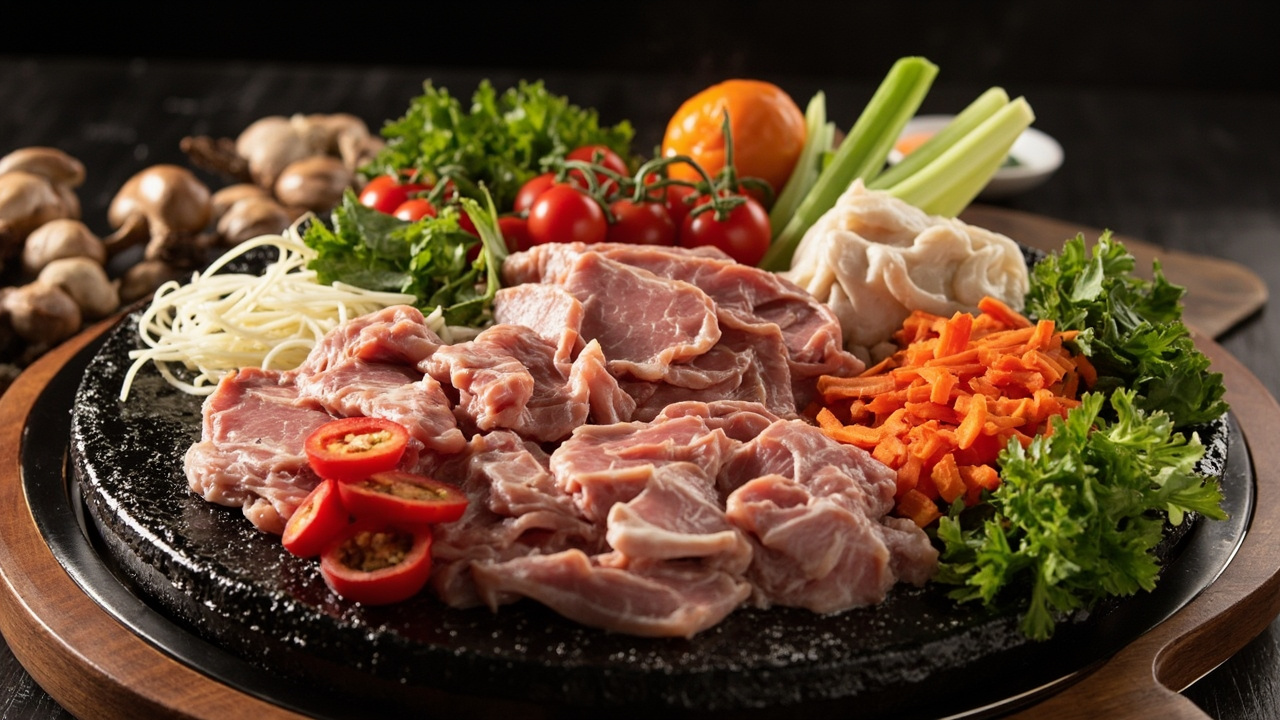
Choosing the right ingredients is crucial for a successful hot pot meal. Thinly sliced meats are the centerpiece, with fatty cuts being preferred as the marbling keeps the meat tender during quick cooking. Lamb shoulder and ribeye beef are traditional favorites, but pork belly and chicken breast also work well. Seafood options include shrimp, fish fillets, squid, scallops, and clams, all of which cook quickly and absorb the broth flavors beautifully. Vegetables add freshness and balance to the meal, with Napa cabbage, bok choy, spinach, and watercress being popular choices. Mushrooms contribute umami depth, with enoki, shiitake, king oyster, and wood ear mushrooms each offering different textures. Tofu products are essential, including silken tofu, firm tofu, fried tofu puffs, and tofu skin rolls that soak up broth like sponges. Sticky rice cakes and sweet potato noodles add carbohydrate substance to round out the meal.
Hot Pot Etiquette and Tips
Proper hot pot etiquette ensures an enjoyable experience for everyone at the table. Always use the serving utensils provided rather than your personal chopsticks when handling raw ingredients, to avoid contaminating the shared broth. Cook ingredients in small batches rather than dumping everything in at once, as overcrowding lowers the broth temperature and affects cooking times. Remove cooked food from the broth promptly to prevent overcooking. The order of cooking matters: start with meats and seafood to flavor the broth, then vegetables and tofu, and finish with noodles or rice to absorb the concentrated flavors at the end. Drink plenty of water or tea alongside the meal, as the spicy broth can be intense. Many hot pot restaurants offer free ice cream at the end of the meal to cool down after the spicy feast.
Conclusion
Chinese hot pot offers a unique dining experience that combines delicious food with genuine social interaction. The slow, communal nature of the meal encourages conversation and shared enjoyment, making it perfect for both family gatherings and friendly get-togethers. The endless variety of broths and ingredients means that every hot pot meal can be different, offering new discoveries with each visit.
Health Considerations for Hot Pot
While hot pot is delicious, there are some health considerations to keep in mind. The broth, particularly the Sichuan spicy version, is very high in oil and sodium. Balance your meal by including plenty of vegetables and tofu alongside the meats. Drink water or tea throughout the meal to stay hydrated, as the salty and spicy broth can be dehydrating. The high temperature of the broth means that food continues cooking after you remove it from the pot, so let items cool briefly before eating to avoid burning your mouth. If you have gout or high blood pressure, be cautious with the broth and limit organ meats and shellfish. Many hot pot restaurants now offer clear broths with herbs and vegetables as a healthier alternative to the oil-heavy spicy broths, and these can be excellent choices for health-conscious diners.
Regional Hot Pot Variations
The diversity of Chinese hot pot reflects the country vast geography and culinary traditions. Sichuan hot pot is the most famous, with its fiery red broth made with beef tallow, dried chilies, and Sichuan peppercorns. Beijing-style hot pot features a copper pot heated with charcoal and emphasizes high-quality lamb sliced paper-thin. Cantonese hot pot uses a lighter broth and features premium ingredients like abalone and lobster. Yunnan hot pot incorporates wild mushrooms that create earthy, complex flavors. Chongqing hot pot is perhaps the spiciest of all, with a broth so red and oily that it appears almost black. Each regional style offers a different experience, and exploring these variations is one of the great pleasures of Chinese cuisine. Many hot pot restaurants now offer divided pots that allow diners to experience two broths simultaneously, making it possible to sample different regional styles in a single meal.
Hot Pot Dipping Sauces Guide
The dipping sauce is a crucial part of the hot pot experience, allowing diners to customize flavors to their preferences. The classic Sichuan sauce combines sesame oil with crushed garlic, chopped cilantro, and a spoonful of the spicy broth. This combination cools the spiciness while adding richness and depth. Northern-style sauce uses sesame paste as the base, thinned with water and seasoned with fermented bean curd, leek blossom sauce, and chili oil. This creates a creamy, nutty sauce that complements lamb particularly well. Cantonese-style sauce is lighter, using soy sauce as the base with fresh chili, garlic, and a squeeze of lime juice. Many hot pot restaurants now offer sauce bars with dozens of ingredients, allowing diners to create personalized combinations. The key is balancing flavors without overwhelming the natural taste of the ingredients being dipped.