Shanghai, China’s largest city and global financial hub, offers visitors an extraordinary blend of colonial heritage and futuristic innovation. As the gateway to modern China, this magnificent metropolis on the Huangpu River captivates travelers with its world-class attractions, culinary diversity, and relentless energy that never sleeps. Whether you’re interested in exploring historic architecture, sampling authentic street food, or experiencing cutting-edge design, Shanghai delivers unforgettable experiences at every turn.
The city’s transformation over the past century has been nothing short of remarkable. From its humble origins as a fishing village to its colonial-era nickname “Paris of the East” and today’s status as a global economic powerhouse, Shanghai has always represented China’s most ambitious face to the world. This comprehensive guide provides everything you need for an exceptional visit to this dynamic destination.
Understanding Shanghai’s Geography
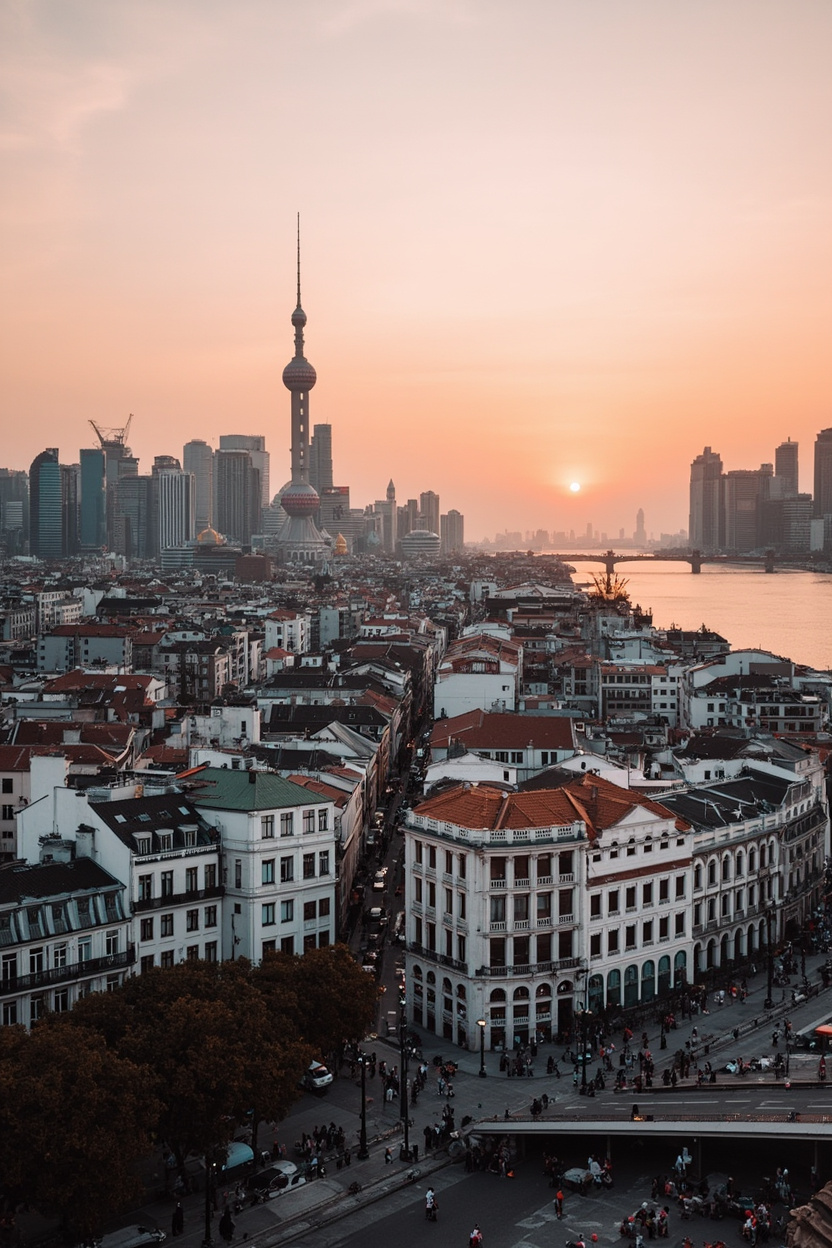
Shanghai sits at the mouth of the Yangtze River delta on China’s eastern coast. The city is divided into two main areas by the Huangpu River: Puxi (west bank) contains most tourist attractions, historic architecture, and the famous Bund waterfront, while Pudong (east bank) showcases Shanghai’s futuristic skyline with the iconic Oriental Pearl Tower and towering financial district.
Key neighborhoods include:
- The Bund – Historic waterfront promenade lined with colonial-era buildings
- Nanjing Road – Asia’s longest shopping street
- French Concession – Tree-lined streets and historic colonial architecture
- People’s Square – Cultural center with museums and parks
- Xintiandi – Historic shikumen houses transformed into entertainment district
- Lujiazui – Modern Pudong financial district with observation decks
Top Shanghai Attractions
Shanghai’s attractions range from world-class museums to historic temples, offering experiences for every interest. The Bund remains Shanghai’s most recognizable landmark, where colonial-era buildings from 52 different countries line the Huangpu River waterfront. At night, these historic structures illuminate spectacularly, creating one of Asia’s most memorable urban vistas.
The Shanghai World Financial Center (SWFC) and Shanghai Tower offer breathtaking panoramic views from their observation decks. The Shanghai Tower’s transparent glass walkway at 561 meters ranks among the world’s highest outdoor platforms, delivering adrenaline-pumping experiences for daring visitors.
Yu Garden, dating back to the Ming Dynasty, provides peaceful escape from urban chaos. This classical Chinese garden features intricate pavilions, koi-filled ponds, and centuries-old architecture that reveals Shanghai’s imperial heritage predating its colonial era.
Shanghai Metro: Getting Around Efficiently
Shanghai’s metro system ranks among the world’s most extensive and efficient, with 19 lines and over 500 stations. English signage throughout makes navigation straightforward for foreign visitors. The metro connects all major tourist areas, shopping districts, and transportation hubs including both airports and high-speed rail stations.
Key metro tips for visitors include purchasing a Shanghai Public Transportation Card for seamless travel on metro, buses, and even taxis. Alternatively, the city’s modern taxi fleet offers excellent value, with rides typically costing 15-40 yuan for most journeys within central Shanghai.
Shanghai Cuisine: From Street Food to Michelin Dining
Shanghai’s culinary scene reflects its cosmopolitan character, offering everything from humble street snacks to world-renowned fine dining. Local specialties emphasize freshness, seasoning, and delicate preparation that define Shanghai cuisine’s refined character.
Must-try dishes include:
- Xiaolongbao – Soup dumplings with savory broth and pork filling
- Shengjian bao – Pan-fried soup dumplings with crispy bottoms
- Braised pork belly – Sweet and savory hong shao rou
- Crab roe noodles
- Shanghai fried noodles
Best Neighborhoods for Food Lovers
Yuyuan Garden Bazaar surrounding the historic garden offers countless food vendors and restaurants. The Old City demonstrates authentic local eating habits, while Xintiandi and former French Concession feature upscale establishments and international cuisine.
When to Visit Shanghai
Spring (March-May) and autumn (September-November) offer the most comfortable weather for sightseeing. Summers prove hot and humid with frequent rain, while winters can be cold but rarely snow. Weekdays generally offer fewer crowds at major attractions compared to weekends.
Conclusion
Shanghai rewards curious travelers with its endless discoveries, from colonial architecture to cutting-edge innovation. Allow at least 3-4 days to explore major attractions while experiencing local culture. The city’s dynamic energy, remarkable cuisine, and welcoming atmosphere create memories that last a lifetime.