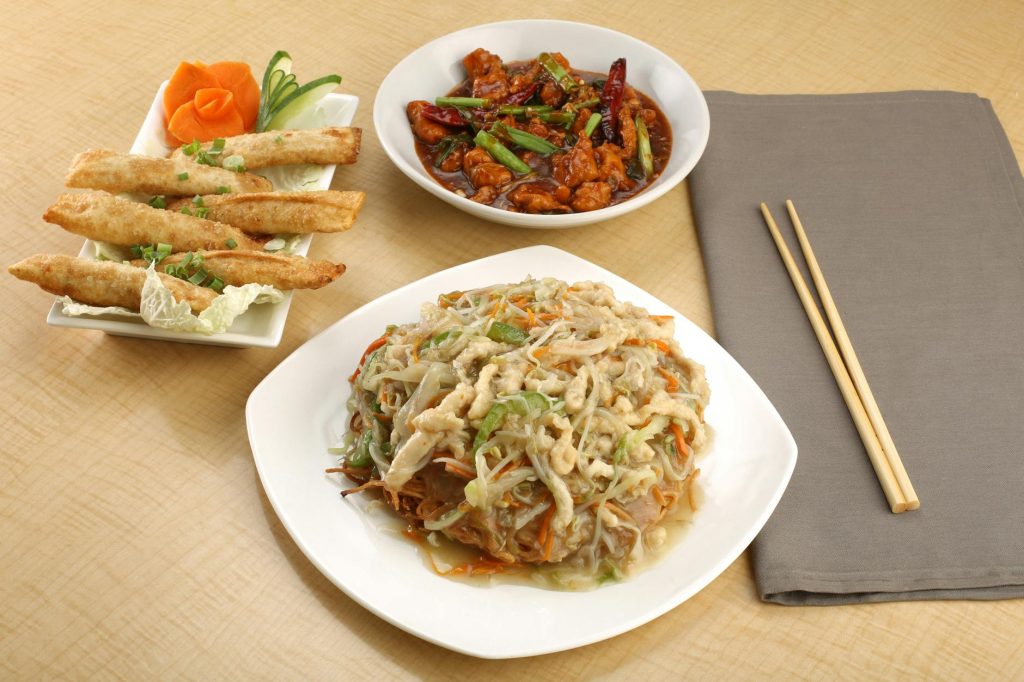
Chinese Food Seasoning: Essential Spices and Flavors represents one of the most significant aspects of Chinese heritage, embodying centuries of tradition, philosophy, and practical wisdom that continue to influence contemporary life. This comprehensive guide explores the historical development, cultural significance, and modern relevance of Chinese Food Seasoning: Essential Spices and Flavors, providing readers with a thorough understanding of this important subject.
Historical Origins and Ancient Roots
The origins of Chinese Food Seasoning: Essential Spices and Flavors trace back thousands of years to ancient Chinese civilization, where early practitioners developed foundational principles that continue to guide modern practice. Historical records document the evolution of techniques, philosophies, and cultural significance that shaped Chinese Food Seasoning: Essential Spices and Flavors into its current form. From the earliest dynasties through periods of great cultural flourishing, Chinese Food Seasoning: Essential Spices and Flavors evolved as an integral part of Chinese society, reflecting the values, aspirations, and practical needs of each era.
Ancient Chinese texts describe the development of Chinese Food Seasoning: Essential Spices and Flavors during the Zhou and Han dynasties, when scholars and practitioners codified methods and principles that remain relevant today. The integration of theoretical knowledge with practical application created a comprehensive tradition that addressed both physical and spiritual dimensions. Court records, philosophical treatises, and archaeological evidence all attest to the importance of Chinese Food Seasoning: Essential Spices and Flavors in ancient Chinese life, serving both elite and common populations across the vast empire.
Imperial patronage during the Tang and Song dynasties further refined Chinese Food Seasoning: Essential Spices and Flavors, elevating it to an art form practiced by nobility and commoners alike. The exchange of ideas along trade routes like the Silk Road introduced external influences while strengthening distinctly Chinese characteristics. Buddhist monks, merchant caravans, and diplomatic missions all contributed to the spread and development of Chinese Food Seasoning: Essential Spices and Flavors, creating a rich tapestry of local variations and universal principles that define the tradition today.
Cultural Significance and Social Role
Within Chinese society, Chinese Food Seasoning: Essential Spices and Flavors serves multiple important functions that extend beyond practical application. Cultural identity, social cohesion, and personal development all benefit from engagement with this traditional practice that has been passed down through generations. The transmission of Chinese Food Seasoning: Essential Spices and Flavors from teacher to student, from parent to child, and from master to apprentice represents one of the most important channels for cultural continuity in Chinese civilization.
Family and community bonds strengthen through shared participation in Chinese Food Seasoning: Essential Spices and Flavors, with traditions often passing from grandparents to grandchildren in an unbroken chain of cultural transmission. The communal aspects of practice create opportunities for social interaction that reinforce community ties. Seasonal festivals, family gatherings, and community events all provide occasions for the collective celebration and practice of Chinese Food Seasoning: Essential Spices and Flavors, strengthening social bonds across generations.
National identity finds expression through Chinese Food Seasoning: Essential Spices and Flavors, which represents Chinese achievements and cultural contributions to world civilization. International recognition of Chinese Food Seasoning: Essential Spices and Flavors has helped promote cross-cultural understanding while preserving authentic Chinese traditions. As Chinese culture has spread globally through diaspora communities and international exchange, Chinese Food Seasoning: Essential Spices and Flavors has become one of the most recognizable symbols of Chinese heritage, attracting practitioners and enthusiasts from every continent.
Philosophical Foundations
The philosophical underpinnings of Chinese Food Seasoning: Essential Spices and Flavors reflect broader Chinese intellectual traditions, including Confucian principles of social harmony and Daoist concepts of natural balance. These philosophical frameworks provide guidance for practice that encompasses moral development alongside technical skill, creating a holistic approach to personal cultivation that distinguishes Chinese traditions from purely technical disciplines found in other cultures.
Yin and yang philosophy influences approaches to Chinese Food Seasoning: Essential Spices and Flavors, emphasizing the integration of complementary forces and the cultivation of adaptive capacity. Practitioners learn to recognize and balance opposing elements within themselves and their environment, developing a nuanced understanding of natural rhythms and cycles. This philosophical foundation encourages flexibility, patience, and continuous learning, values that serve practitioners well in all aspects of life.
The concept of qi or vital energy provides a foundation for understanding how Chinese Food Seasoning: Essential Spices and Flavors affects the body and mind. Traditional Chinese cosmology views health and vitality as dependent on the free flow and balanced distribution of qi throughout the body, and Chinese Food Seasoning: Essential Spices and Flavors plays an important role in maintaining this balance. Modern scientific investigation has begun to explore the mechanisms underlying these traditional beliefs, revealing correlations between traditional practices and measurable health outcomes.
Regional Variations and Local Traditions
China’s vast territory has produced distinct regional variations in Chinese Food Seasoning: Essential Spices and Flavors, reflecting local conditions, climate, and cultural preferences. Northern and southern traditions developed different emphases and techniques while maintaining core principles in common. The diversity of Chinese regional traditions demonstrates the adaptability and flexibility of Chinese Food Seasoning: Essential Spices and Flavors, showing how fundamental principles can be expressed through countless local variations.
Urban and rural contexts have also shaped the development of Chinese Food Seasoning: Essential Spices and Flavors, with city-based practitioners often emphasizing different aspects than their rural counterparts. The pressures of modern urban life have created new demands and new forms of practice, while rural traditions preserve older styles and methods that have been passed down through generations. This urban-rural divide creates a rich ecosystem of practice styles, each with its own strengths and specializations.
Minority ethnic groups within China have contributed their own distinctive variations to Chinese Food Seasoning: Essential Spices and Flavors, enriching the overall tradition with diverse perspectives and methods. These multicultural influences demonstrate the adaptability and inclusiveness of Chinese cultural traditions, showing how Chinese Food Seasoning: Essential Spices and Flavors has absorbed and integrated elements from dozens of distinct cultural groups living within China’s borders. The result is a remarkably diverse and rich tradition that continues to evolve and grow.
Modern Practice and Contemporary Relevance
Today, Chinese Food Seasoning: Essential Spices and Flavors continues to evolve while maintaining connections to its historical roots. Modern practitioners combine traditional methods with contemporary knowledge, creating hybrid approaches that appeal to today’s health-conscious and spiritually seeking individuals. The rise of digital media and online learning platforms has democratized access to Chinese Food Seasoning: Essential Spices and Flavors, allowing people around the world to learn from masters they could never visit in person.
Research institutions have begun scientific investigation of Chinese Food Seasoning: Essential Spices and Flavors, examining health benefits and mechanisms through modern medical and psychological frameworks. These studies provide validation for traditional claims while identifying areas for further investigation and improvement. Universities across China and around the world have established programs dedicated to the scholarly study of Chinese Food Seasoning: Essential Spices and Flavors, treating it as a serious subject worthy of rigorous academic inquiry.
Global spread of Chinese Food Seasoning: Essential Spices and Flavors has introduced Chinese cultural traditions to international audiences, creating opportunities for cross-cultural exchange and mutual understanding. International practitioners bring diverse perspectives that enrich the tradition while adapting methods for new cultural contexts. The globalization of Chinese Food Seasoning: Essential Spices and Flavors represents one of the most successful cases of cultural exchange in the modern world, demonstrating the universal appeal of Chinese cultural traditions.
Health Benefits and Wellness Applications
Traditional Chinese approaches to health emphasize prevention and holistic wellness, viewing Chinese Food Seasoning: Essential Spices and Flavors as an important component of comprehensive self-care. Modern research has validated many traditional claims about health benefits, providing evidence-based support for traditional practices. The integration of traditional Chinese health principles with modern medical knowledge creates a powerful approach to wellness that addresses both the symptoms and root causes of common health complaints.
Physical benefits include improved strength, flexibility, balance, and coordination, while mental benefits encompass stress reduction, enhanced concentration, and emotional regulation. The integration of physical and mental training addresses both symptoms and root causes of common health complaints. Clinical studies have documented improvements in cardiovascular health, immune function, and psychological wellbeing among regular practitioners of Chinese Food Seasoning: Essential Spices and Flavors.
Senior citizens and people with chronic conditions have found Chinese Food Seasoning: Essential Spices and Flavors particularly valuable for maintaining function and quality of life. Gentle, progressive training methods accommodate varying fitness levels while providing meaningful health benefits. Healthcare systems in China and abroad increasingly incorporate Chinese Food Seasoning: Essential Spices and Flavors into treatment programs for conditions ranging from arthritis to anxiety, recognizing its value as a complementary therapy.
Training and Skill Development
Mastery of Chinese Food Seasoning: Essential Spices and Flavors requires dedicated practice over many years, with progression through defined stages of skill development. Beginning practitioners focus on fundamental techniques and basic principles before advancing to more sophisticated applications. The journey from beginner to master is measured not in months but in years and decades, with each stage bringing new challenges and new rewards.
Qualified instructors guide students through proper technique and philosophical understanding, correcting errors and providing individualized feedback. The teacher-student relationship remains important in Chinese Food Seasoning: Essential Spices and Flavors, preserving the transmission of wisdom that cannot be obtained from books or videos alone. The best teachers serve not merely as instructors but as mentors, sharing insights gained through their own decades of practice.
Self-directed practice supplements formal instruction, allowing practitioners to develop at their own pace while building the discipline and consistency necessary for genuine mastery. Regular practice, even if brief, produces better results than sporadic intensive sessions. The daily commitment to practice develops qualities of patience, persistence, and self-awareness that extend far beyond the practice itself.
Conclusion
Chinese Food Seasoning: Essential Spices and Flavors offers a window into Chinese cultural traditions while providing practical benefits for practitioners of all backgrounds. The combination of historical wisdom and contemporary applicability makes this tradition relevant for addressing modern challenges while preserving ancient insights. Whether practiced for health, cultural appreciation, or personal development, Chinese Food Seasoning: Essential Spices and Flavors enriches the lives of those who engage with it.
Whether approached as a physical practice, philosophical exploration, or cultural engagement, Chinese Food Seasoning: Essential Spices and Flavors rewards dedication with lasting benefits that extend far beyond the practice itself. The living tradition continues to evolve while maintaining essential connections to the wisdom of ancient Chinese civilization. As more people discover the value of Chinese Food Seasoning: Essential Spices and Flavors, its future seems bright, promising continued growth and development for generations to come.