Introduction: Understanding Chinese Opera: Peking Opera’s Ancient Performance Traditions
China’s rich cultural heritage spans thousands of years, offering visitors and scholars alike a fascinating journey through one of the world’s oldest continuous civilizations. From the moment you begin exploring this subject, you will discover layers of meaning, tradition, and innovation that have shaped not only Chinese society but also influenced cultures across the entire globe. This comprehensive guide serves as your gateway to understanding one of China’s most cherished and enduring cultural treasures.
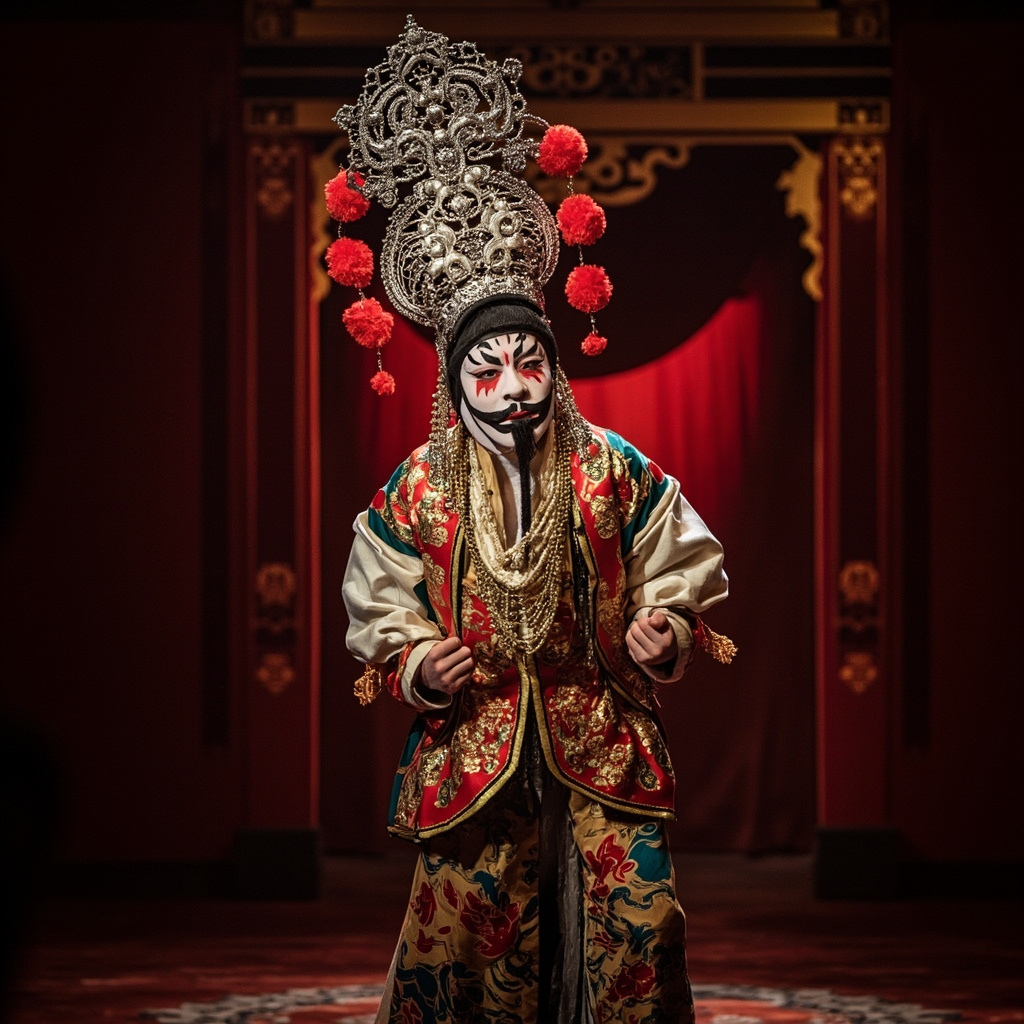
The significance of this tradition in Chinese daily life cannot be overstated. Whether practiced in bustling urban centers or quiet rural villages, these customs and practices form the backbone of Chinese identity, connecting generations across time and space in ways that modern globalization has only partially disrupted. Understanding this aspect of Chinese culture provides essential insight into the Chinese worldview, values, and social structures that have endured for millennia.
Historical Origins and Ancient Foundations
The origins of this Chinese tradition date back to prehistoric times, with archaeological evidence suggesting practices that predate written history. Ancient Chinese texts from the Shang Dynasty (1600-1046 BCE) provide the earliest documented references, describing rituals and customs that would evolve into the traditions we recognize today. These early records reveal a sophisticated understanding of the relationship between humans, nature, and the spiritual world.
Throughout the Zhou Dynasty (1046-256 BCE), philosophical frameworks emerged that would provide the intellectual foundation for much of Chinese cultural practice. The teachings of Confucius, Laozi, and other ancient philosophers created a comprehensive worldview that integrated practical wisdom with spiritual understanding. These traditions were not merely decorative but served crucial social functions, maintaining order and transmitting values across generations.
The Han Dynasty (206 BCE – 220 CE) represents a particularly important period in the codification and spread of Chinese cultural practices. Imperial patronage supported the development of standardized forms and techniques, while the expansion of trade routes facilitated the exchange of ideas and practices across vast geographic distances. By the time of the Tang Dynasty (618-907 CE), Chinese culture had achieved a golden age of achievement and sophistication.
Philosophy, Values, and Cultural Significance
At the heart of Chinese tradition lies a profound philosophical framework that emphasizes harmony, balance, and interconnection. The concept of yin and yang, representing complementary opposites, provides a fundamental organizing principle for understanding Chinese approaches to health, art, and social relations. Similarly, the theory of the Five Elements (wood, fire, earth, metal, water) offers a cosmological framework for understanding change and transformation in nature and human affairs.
The concept of qi (??, often translated as “life energy” or “vital force,” permeates Chinese understanding of health, martial arts, and even interpersonal relationships. This invisible energy is believed to flow through the body along specific pathways called meridians, and its balanced circulation is essential for physical health and spiritual well-being. Traditional Chinese medicine, martial arts, and even Feng Shui all draw upon this concept of vital energy.
Confucian values continue to shape Chinese social behavior and expectations, emphasizing proper conduct, respect for hierarchy, and the importance of education and self-cultivation. Filial piety, the respect due to parents and ancestors, remains a cornerstone of Chinese values despite rapid social change. These philosophical underpinnings provide the ethical context within which Chinese traditions acquire their meaning and significance.
Regional Variations and Geographic Diversity
China’s enormous geographic expanse, spanning nearly 10 million square kilometers, has produced remarkable regional variations in virtually every aspect of cultural practice. The stark contrast between the arid northern plains and the lush southern landscapes, between the eastern coastal regions and the western highlands, has given rise to distinctly different approaches to food, architecture, art, and social custom. This regional diversity reflects adaptation to local conditions as well as the influence of historical migrations and trade.
The eight major Chinese regional cuisines represent perhaps the most accessible demonstration of this geographic diversity. From the light, delicate flavors of Cantonese cooking to the aggressive spiciness of Sichuan cuisine, Chinese regional food traditions reflect local ingredients, climate conditions, and historical influences. A similar regional differentiation exists in architecture, dialect, music, and even martial arts styles, creating a rich mosaic of interconnected local traditions.
This regional diversity should not obscure the fundamental unity underlying Chinese culture. Despite vast differences in local custom, language dialect, and economic development, Chinese people across the country share core values, celebrate common festivals, and identify with a unified cultural heritage that transcends regional boundaries. The tension between regional diversity and national unity remains a defining characteristic of Chinese civilization.
Modern Practice and Global Influence
In contemporary China, these ancient traditions continue to play important roles in daily life while adapting to modern circumstances. Urbanization has transformed Chinese society at unprecedented speed, yet traditional practices persist, albeit in modified forms, among both those who remember older ways and younger generations seeking connection with their cultural heritage. The rapid pace of change has created new appreciation for traditions that provide continuity and meaning.
The global spread of Chinese culture through migration, trade, and cultural exchange has introduced these traditions to audiences worldwide. Chinese restaurants now operate in virtually every major city on Earth, while martial arts schools teaching Tai Chi, Kung Fu, and other Chinese combat traditions have attracted millions of practitioners across all continents. Traditional Chinese medicine has gained recognition in many countries as a complementary approach to healthcare.
Tourism has become a significant factor in both preserving and transforming Chinese traditions. Millions of domestic and international visitors explore heritage sites, participate in cultural experiences, and purchase traditional crafts each year. This tourism has created economic incentives for preservation while also introducing changes as traditions adapt to visitor expectations and commercial pressures.
Experiencing This Tradition Today
For visitors to China or those seeking to engage with Chinese culture from abroad, numerous opportunities exist for experiencing these traditions firsthand. Traditional quarters in cities like Beijing, Shanghai, and Xi’an offer accessible introductions to Chinese cultural heritage, while rural areas often preserve older practices that have disappeared from urban centers. Museums, cultural centers, and educational programs provide structured opportunities for learning.
When participating in or observing Chinese traditions, cultural sensitivity enhances the experience considerably. Understanding the philosophical context and historical significance transforms passive observation into meaningful engagement. Many practices that may seem merely aesthetic to untrained eyes carry deep cultural significance, and approaching them with respect and openness leads to more rewarding experiences.
Practical considerations for visitors include timing (many traditional activities follow lunar calendars rather than Gregorian ones), dress (modest clothing shows respect, especially at religious sites), and physical preparation (some activities require stamina or flexibility). Learning a few basic phrases in Mandarin greatly enhances interactions, though English is increasingly common in tourist areas.
Health, Wellness, and Scientific Validation
Modern science has increasingly validated traditional Chinese practices, particularly in the areas of health and wellness. Thousands of years of empirical observation have produced sophisticated understandings of the body’s functioning, nutrition, and healing that increasingly align with modern medical research. Practices such as Tai Chi have been scientifically proven to improve balance, reduce stress, and enhance quality of life.
The holistic approach of traditional Chinese medicine, which treats the whole person rather than focusing on specific symptoms, offers a valuable complement to Western medical approaches. Preventive care, emphasized in Chinese tradition, aligns well with modern trends toward proactive health management. Chinese dietary principles, based on balancing food energies rather than merely counting calories, provide an alternative framework for healthy eating.
However, visitors should approach traditional healing practices with appropriate caution, seeking qualified practitioners and understanding that traditional methods complement rather than replace modern medical care, especially for serious conditions. The World Health Organization has recognized the value of certain traditional Chinese medicine practices, though standardization and quality control remain ongoing challenges.
Conclusion: A Living Heritage
Chinese cultural traditions represent a living heritage that continues to evolve while maintaining deep connections to the past. From ancient origins to modern global influence, these practices offer insights into Chinese values, creativity, and resilience that extend far beyond their immediate context. Understanding this tradition provides not only appreciation for Chinese culture but also valuable perspectives on universal themes of community, balance, and human flourishing.
Whether you are planning a visit to China, studying Chinese culture, or simply curious about one of the world’s great civilizations, engaging with these traditions offers rich rewards. The opportunity to experience Chinese culture firsthand, to participate in practices that have been passed down through countless generations, provides unique insights into what it means to be human across cultural boundaries.
As China continues to play an increasingly important role in global affairs, understanding Chinese culture becomes ever more valuable for personal enrichment, professional success, and international cooperation. We hope this guide has inspired you to explore these traditions further, whether through travel, study, or direct participation. The journey of discovery awaits.