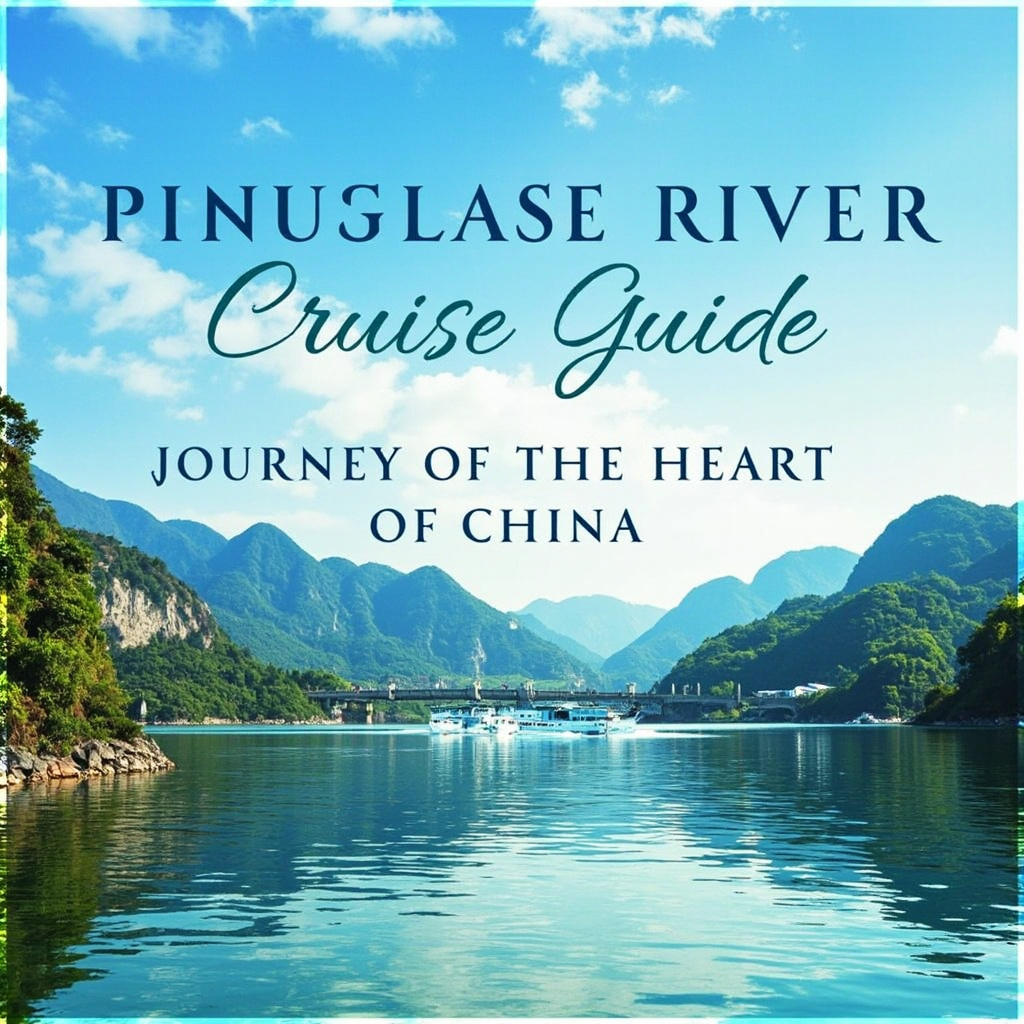
**Yangtze River Cruise Guide: Journey Through the Heart of China**
—
### Introduction
If you’ve ever dreamed of watching China scroll past like a living scroll—mountains cloaked in mist, ancient villages perched on cliffs, and one of the world’s most ambitious engineering feats rising from the water—then a Yangtze River cruise is the ultimate answer. Stretching 6,300 km from the snow‑capped plateau of Tibet to the bustling metropolis of Shanghai, the Yangtze is not just China’s longest river, it’s a moving showcase of the country’s geography, history, and culture. This *Yangtze River Cruise Guide* will walk you through the river’s geography, the iconic Three Gorges, must‑see shore excursions, the best time to set sail, and practical tips for choosing the right ship.
—
## 1. The Yangtze River: A Geographical Overview
| Feature | Details |
|———|———|
| **Length** | 6,300 km (3,915 mi) – the third longest in the world |
| **Source** | Plateau of Tibet, near the Tanggula Mountains |
| **Mouth** | East China Sea, near Shanghai |
| **Major Tributaries** | Jinsha, Han, Wu, Yuan, and Min Rivers |
| **Key Cities** | Chongqing, Wuhan, Nanjing, Shanghai |
The Yangtze drains one‑fifth of China’s land area and sustains more than 400 million people. Its upper reaches cut through the spectacular karst landscapes of Yunnan and Sichuan, while the middle and lower sections glide past the fertile plains of Hubei, Hunan, Jiangxi, Anhui, and Jiangsu. Cruising the river gives you a front‑row seat to terraced rice fields, towering cliffs, and the rapid modernization that coexists with ancient traditions.
—
## 2. The Three Gorges: Qutang, Wu, and Xiling
### 2.1 Qutang Gorge (瞿塘峡)
– **Length:** ~8 km
– **Highlights:** Narrowest and most dramatic, with towering limestone peaks that rise abruptly from the water. The “Kui Gate” – two massive stone pillars flanking the entrance – creates a striking natural gateway.
### 2.2 Wu Gorge (巫峡)
– **Length:** ~46 km
– **Highlights:** Known as the “Gallery of the Wu Mountains,” it features twelve peaks that appear to float above the mist. The Shennong Stream meets the Yangtze here, offering a serene side‑trip into pristine jungle.
### 2.3 Xiling Gorge (西陵峡)
– **Length:** ~76 km (the longest of the three)
– **Highlights:** A mix of turbulent rapids and calm stretches, historically notorious for its dangerous shoals before the dam’s construction. Today, calm waters make it ideal for relaxed cruising and gentle hikes on shore excursions.
Together, the Three Gorges form a UNESCO‑style scenic corridor that has inspired poets, painters, and travelers for centuries. Many cruise itineraries include a guided commentary as the ship navigates each gorge, pointing out legendary rock formations such as “Goddess Peak” and “Fairy Bridge.”
—
## 3. The Three Gorges Dam: Engineering Marvel and Tourist Attraction
The **Three Gorges Dam** (三峡大坝) is the world’s largest hydroelectric project, standing 185 meters tall and stretching 2,335 meters across the river. Completed in 2006, it generates about 22,500 MW of power—equivalent to roughly 15 nuclear plants.
– **Why it matters:**
– Flood control for the middle and lower Yangtze basin.
– Navigation improvements that allow 10,000‑ton cargo ships to travel inland as far as Chongqing.
– Clean energy output that reduces reliance on coal.
– **Visiting the dam:** Most cruise lines schedule a shore excursion to the dam’s observation deck and exhibition hall, where you can view massive turbine halls, learn about the resettlement of over a million people, and see the ship lift system that raises vessels 113 meters to bypass the dam.
—
## 4. Fengdu Ghost City (丰都鬼城)
Perched on the Ming Mountain (Ming Shan) on the north bank, **Fengdu** is a labyrinth of temples, pavilions, and sculptures devoted to the afterlife. The site dates back over 2,000 years and is considered the “Ghost Capital” of China.
– **What to see:**
– The “Gate of Hell” with terrifying statues of demons and judges.
– The “Bridge of Mercy,” where visitors make a small offering for safe passage.
– Traditional Chinese opera performances depicting folk stories of the underworld.
A guided walk through Fengdu adds a cultural twist to your cruise, blending folklore, religion, and breathtaking river views.
—
## 5. Shennong Stream (神农溪)
A tributary of the Yangtze, the **Shennong Stream** is celebrated for its crystal‑clear water, steep cliffs, and ancient wooden rafts. Many cruise itineraries include a short excursion on bamboo rafts (or small electric boats) that glide through narrow canyons.
– **Highlights:**
– **Ancient Suspension Bridges:** centuries‑old rope bridges spanning the gorge.
– **Flora & Fauna:** the region is a protected nature reserve, home to the Chinese giant salamander and rare orchids.
– **Cultural Interaction:** local Tujia villagers often perform traditional songs and dances on the banks.
The calm, meandering waters of Shennong Stream offer a serene counterpoint to the grandeur of the Three Gorges.
—
## 6. On‑Board Experience: Comfort Meets Culture
### 6.1 Accommodations
– **Luxury Suites:** panoramic balconies, king‑size beds, marble bathrooms, and butler service.
– **Standard Cabins:** cozy rooms with picture windows, en‑suite facilities, and configurable bedding.
– **Family Rooms & Solo Cabins:** many ships now cater to diverse traveler needs, offering connecting rooms and single‑occupancy options.
### 6.2 Dining
– **Buffet & À La Carte Restaurants:** blend Chinese regional specialties (Sichuan hot pot, Hunan steamed fish) with Western comfort food.
– **Themed Dinners:** some vessels host “Dumpling Night” or “Mid‑Autumn Festival Banquet,” complete with traditional costumes.
– **Tea & Coffee Lounges:** panoramic observation decks serve Chinese tea ceremonies and espresso.
### 6.3 Entertainment & Activities
– **Cultural Shows:** nightly performances of traditional music, calligraphy demonstrations, and folk dances.
– **Wellness Facilities:** on‑deck tai chi sessions, a small gym, and a spa offering acupressure and foot reflexology.
– **Lecture Series:** historians and naturalists give talks about the river’s ecology, the dam’s impact, and local mythology.
### 6.4 On‑Shore Coordination
– **Guided Tours:** each stop includes an English‑speaking guide, transportation, and entrance fees.
– **Flexible Itineraries:** most cruise lines allow you to choose between active (hiking, cycling) and relaxed (city strolls, tea houses) options.
—
## 7. Shore Excursions: Highlights of the Itinerary
| Destination | Typical Duration | Key Activities |
|————-|——————-|—————-|
| **Three Gorges Dam** | 3‑4 h | Observation deck, turbine hall, ship lift viewing |
| **Fengdu Ghost City** | 2‑3 h | Temple walks, “Hell” statues, cultural talk |
| **Shennong Stream** | 1.5‑2 h | Bamboo raft ride, visit to Tujia village |
| **White Emperor City (Baidicheng)** | 2 h | Historical temple, panoramic gorge views |
| **Wu Gorge Scenic Area** | 2‑3 h | Hiking to Goddess Peak, local market |
| **Chongqing** (pre‑ or post‑cruise) | Full day | Yangtze River Cable Car, Hongya Cave, Jiefangbei Pedestrian Street |
| **Wuhan** (optional extension) | Full day | Yellow Crane Tower, East Lake, Provincial Museum |
These shore excursions are designed to give you a balanced mix of natural wonder, historical insight, and cultural immersion.
—
## 8. Best Time to Cruise the Yangtze
| Season | Weather | Water Level | Highlights |
|——–|———-|————-|————|
| **Spring (Mar‑May)** | Mild 15‑25 °C (59‑77 °F) | Rising, clearer water | Blooming azaleas, less crowded |
| **Summer (Jun‑Aug)** | Hot 25‑35 °C (77‑95 °F) | High water, possible flooding | River rapids, but some routes may be restricted |
| **Autumn (Sep‑Nov)** | Cool 15‑24 °C (59‑75 °F) | Stable, moderate flow | Crisp air, golden foliage, popular with tourists |
| **Winter (Dec‑Feb)** | Cold 5‑15 °C (41‑59 °F) | Lower water, calmer | Fewer crowds, festive Chinese New Year decorations (late Jan/early Feb) |
**Pro tip:** The **peak cruising season** runs from April to October, when water levels are safest and the weather is pleasant. If you prefer a quieter experience, consider early March or late November.
—
## 9. Choosing the Right Cruise Ship
### 9.1 Ship Categories
1. **Luxury/5‑Star Ships** (e.g., *Victoria Jenna*, *Yangtze Explorer*) – spacious suites, gourmet dining, English‑language enrichment programs, and premium shore excursions.
2. **Mid‑Range/4‑Star Ships** – comfortable cabins, good on‑board amenities, and a balanced mix of cultural and scenic tours.
3. **Standard/3‑Star Ships** – budget‑friendly, basic accommodations, still includes major sights.
### 9.2 Factors to Consider
| Factor | What to Look For |
|——–|——————-|
| **Itinerary Length** | 4‑night (Chongqing–Yichang) vs. 7‑night (round‑trip) vs. extended 10‑night (including Yichang–Wuhan) |
| **On‑Board Language** | Most luxury ships provide English‑speaking guides; smaller ships may have limited English. |
| **Cabin Size & View** | Balcony cabins are ideal for watching the gorges; interior cabins are cheaper. |
| **Included Excursions** | Check if entry fees, transfers, and meals are bundled. |
| **Reputation & Reviews** | Look for recent traveler reviews on platforms like TripAdvisor, Cruise Critic, or Lonely Planet. |
| **Travel Insurance & Flexibility** | Confirm cancellation policies, especially for weather‑related changes. |
| **Sustainability Practices** | Some ships have recycling programs, water‑saving fixtures, and locally sourced food. |
**Booking Options**
– **Direct through the cruise line** – often gives the best guarantee for cabin selection and any last‑minute promotions.
– **Through a travel agency** – convenient for bundling flights, visas, and pre‑cruise hotel stays.
– **Group tours** – good if you want a structured itinerary with a dedicated tour leader.
—
## 10. Practical Travel Tips for Your Yangtze River Cruise
1. **Visa Requirements**
– Most foreign nationals need a **tourist visa (L‑visa)** for China. Some cruise lines offer a **72‑hour visa‑free transit** for select cities, but confirm before booking.
2. **Health & Safety**
– Carry a basic medical kit (pain relievers, motion‑sickness tablets, personal prescriptions).
– Use bottled water for drinking and brushing teeth.
– Keep a copy of your passport and cruise tickets in a waterproof bag.
3. **Packing Essentials**
– **Layers:** Weather can shift from cool mornings to warm afternoons. A light fleece and a rain jacket are handy.
– **Comfortable walking shoes** for shore excursions (often uneven terrain).
– **Universal power adapter** (China uses Type A/I plugs, 220 V).
– **Small backpack** for day trips and water bottle.
4. **Currency & Payments**
– The Chinese Yuan (CNY) is the standard. Credit cards are accepted at most upscale hotels and cruise‑line shops, but cash is essential for small vendors and tips.
5. **Tipping Culture**
– While not mandatory, a tip of **¥20–¥50 per day** for guides and **¥10–¥20 per day** for cabin stewards is appreciated.
6. **Language Basics**
– Learn a few Mandarin phrases: “谢谢” (xièxiè – thank you), “你好” (nǐ hǎo – hello), “请” (qǐng – please). Many cruise staff speak basic English, but a friendly smile goes a long way.
7. **Connectivity**
– Internet access can be limited on the river. Purchase a **local SIM card** (China Mobile or China Unicom) before departure or rely on Wi‑Fi in major cities before/after the cruise.
8. **Cultural Etiquette**
– Respect local customs: remove shoes when entering temples, avoid pointing the soles of your feet at people, and ask before photographing monks or locals.
9. **Travel Insurance**
– A comprehensive policy covering medical evacuation, trip cancellation, and personal belongings is highly recommended.
10. **Environmental Responsibility**
– Participate in on‑board recycling programs and avoid single‑use plastics when possible. Support local economies by purchasing handicrafts from authorized vendors.
—
## 11. Conclusion
A Yangtze River cruise is more than a vacation; it’s a moving narrative of China’s past, present, and future. From the thunderous walls of the Three Gorges to the serene bamboo rafts of Shennong Stream, every bend of the river reveals a new chapter of natural beauty and human ingenuity. By choosing the right ship, timing your trip to the season that suits your preferences, and arming yourself with practical travel tips, you’ll set yourself up for an unforgettable journey.
Ready to embark on the adventure of a lifetime? Let this **Yangtze River Cruise Guide** be your roadmap to the heart of China—where ancient legends meet modern engineering, and every sunrise paints the water gold. Safe travels and happy cruising!