# Macau Travel: Portuguese Influence Meets Chinese Heritage
*Meta description: Discover how Macau travel reveals a unique blend of Portuguese influence and Chinese heritage. Explore UNESCO sites, culinary delights, colonial architecture, the Grand Prix, and Cotai’s glitzy resorts with practical travel tips.*
—
## Introduction
When you step off the plane in Macau, the first thing you notice is the seamless dance between East and West. Mandarin signs sit beside Portuguese azulejo tiles, while the scent of freshly baked *pastéis de nata* mingles with incense from a Taoist temple. This tiny Special Administrative Region (SAR) on the Pearl River Delta is a living museum of cultural fusion, and **Macau Travel Portuguese Influence** is the thread that ties every experience together. From UNESCO‑listed streetscapes to high‑octane racing, Macau offers a kaleidoscope of experiences that satisfy history buffs, foodies, and adventure seekers alike.
In this guide, we’ll walk you through the must‑see landmarks, the flavors that define Macanese cuisine, the excitement of the Grand Prix, and the glittering Cotai Strip. We’ll also sprinkle in practical tips so you can navigate the city like a local.
—
## 1. UNESCO Historic Centre of Macau
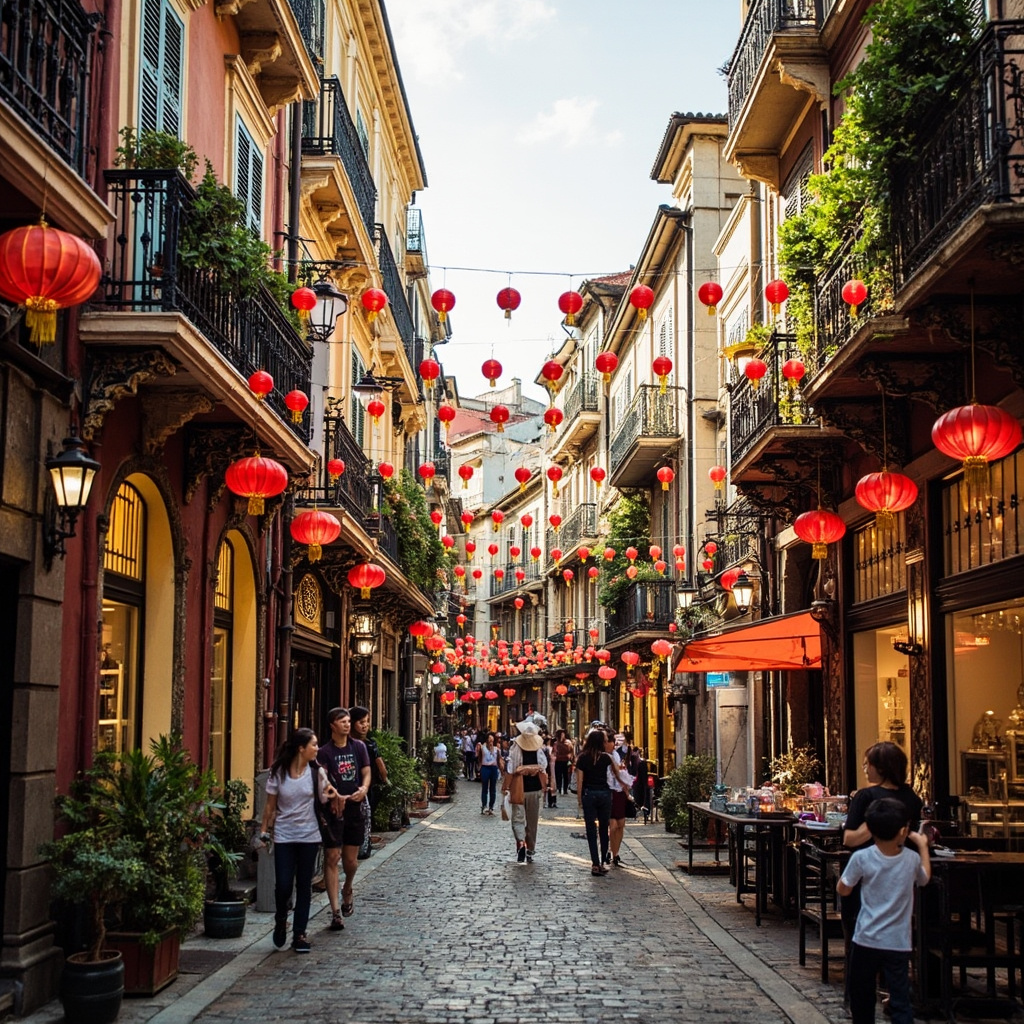
The *Historic Centre of Macau* was inscribed as a UNESCO World Heritage Site in 2005, preserving a compact 1.5‑km² district that showcases over four centuries of Sino‑Portuguese coexistence. Wandering its narrow lanes, you’ll encounter a patchwork of pastel‑colored colonial mansions, baroque churches, and Chinese temples—each building narrating a chapter of Macau’s past.
### Highlights of the Historic Centre
| Site | Why It Matters |
|——|—————-|
| **Ruins of St. Paul’s** | The most iconic symbol of Macau; the 17th‑century façade is all that remains of the original Jesuit church. |
| **Senado Square** | A cobblestone plaza lined with Portuguese black‑and‑white wave mosaics, surrounded by neoclassical buildings. |
| **A‑Ma Temple** | One of the oldest Taoist temples in China, dedicated to the goddess Mazu, dating back to 1488. |
| **St. Dominic’s Church** | A striking example of late Baroque architecture with a gilded interior. |
| **Mount Fortress & Na Cha Temple** | A 17th‑century military fort now housing a museum of Macau’s colonial defense. |
The UNESCO label is more than a badge; it’s a promise that the city’s layered heritage will be preserved for future generations. As you stroll the “Avenida de Almeida Ribeiro” or linger on the steps of the Ruins, you’ll feel the palpable blend of Portuguese town planning and Chinese spiritual symbolism.
—
## 2. Ruins of St. Paul’s: The Face of Macau
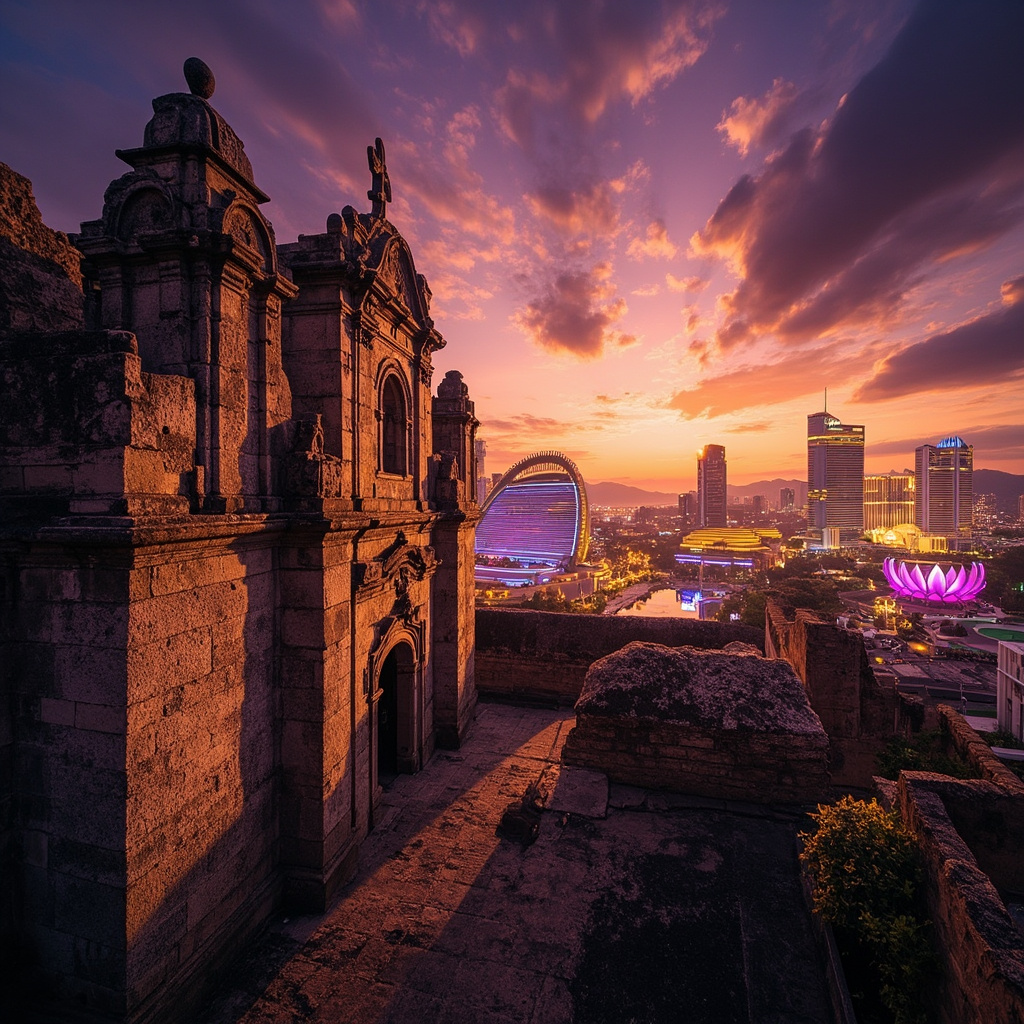
No **Macau travel Portuguese influence** itinerary is complete without a photograph in front of the Ruins of St. Paul’s. This monumental façade, carved from white stone and Chinese granite, features a intricate tableau of saints, angels, and Buddhist motifs—an artistic marriage of Catholic doctrine and Chinese craftsmanship.
– **Historical Insight**: The original church, built by Portuguese Jesuits in 1560, was destroyed by fire in 1835. The surviving façade now stands as Macau’s most recognizable landmark.
– **Visitor Tips**: Arrive early morning or late afternoon to avoid the crowds. The adjacent **Museu de São Paulo** houses artifacts that illuminate the church’s history.
—
## 3. Senado Square: Where the Past Meets the Present
Senado Square is the historic heart of Macau’s civic life. Its distinctive black‑and‑white wave patterned mosaic, introduced by the Portuguese in the early 20th century, creates a visual rhythm that echoes the sea that brought these settlers to Asia.
– **What to See**:
– **Leal Senado Building**: A neoclassical structure that once housed the Portuguese Senate; its interior is adorned with ornate painted ceilings.
– **St. Augustin’s Church**: One of the oldest churches in Macau, featuring a gilded altar and a striking façade.
– **Street Markets**: Local vendors sell traditional snacks, dried seafood, and handcrafted souvenirs.
Senado Square is also a hub for festivals; during Chinese New Year the area bursts with dragon dances and lantern displays, while the *Macau International Music Festival* brings melodic performances to its open‑air stage.
—
## 4. A‑Ma Temple: Ancient Chinese Spiritual Sanctuary
While Portuguese colonists left their architectural imprint on the city, the Chinese community retained its spiritual roots. The **A‑Ma Temple**, dedicated to the goddess Mazu, predates the arrival of the Portuguese and serves as a reminder of Macau’s deep Chinese heritage.
– **Key Features**:
– **Gate of the Heavenly Kings**: The first of six pavilions, each representing a different aspect of worship.
– **Hall of Guanyin**: A tranquil space filled with incense smoke and prayer wheels.
– **Stone Boat & Pavilion**: A symbolic offering to the sea, reflecting Macau’s maritime past.
The temple’s proximity to the Ruins of St. Paul’s illustrates how the two cultures lived side by side—literally across the street from one another.
—
## 5. Macau Tower: Thrills with a View
For a modern contrast, head to the **Macau Tower**. Standing 338 m tall, this glass‑and‑steel observation deck offers panoramic views of the city, the Pearl River Delta, and on clear days, even Hong Kong.
– **Adrenaline Activities**:
– **SkyJump**: A 233‑m controlled descent—considered one of the highest commercial jumps in the world.
– **Tower Climb**: A guided ascent to the antennae for a bird‑eye perspective.
– **Observation Deck**: Revolving restaurant and a glass floor walkway for the daring.
The tower’s design subtly references Macau’s colonial era with Portuguese motifs in its lighting, linking contemporary excitement to historic roots.
—
## 6. Portuguese Egg Tarts & Macanese Cuisine: A Taste of Fusion
No **Macau travel Portuguese influence** story is complete without savoring the culinary legacy. *Pastéis de Nata*—those flaky, caramelized custard tarts—are a direct inheritance from Portuguese bakers, but the Macanese version adds a slightly eggier, more caramelized top.
### Must‑Try Dishes
| Dish | Description |
|——|————-|
| **Egg Tart (Pastel de Nata)** | Creamy custard in a crisp, buttery shell; best enjoyed fresh from a bakery in **Rua de Felicidade**. |
| **Macanese African Chicken** | A spicy, coconut‑based stew with Portuguese and African influences, served with rice. |
| **Pork Chop Bun** | Grilled pork chop sandwiched in a fluffy bun, a popular street snack. |
| **Senor Chow’s Beef Offal Soup** | A comforting broth with tender offal, reflecting Portuguese *sopa de tripas* adapted to Chinese tastes. |
| **Gai Den (Chicken Feet)** | Steamed chicken feet in a fermented bean sauce—an acquired taste that showcases Macanese love for texture. |
**Where to Eat**
– **Lord Stow’s Bakery** (Coloane): The birthplace of the Macau egg tart.
– **Antonio’s** (Taipa): Offers upscale Macanese tasting menus.
– **Rua de São Paulo Night Market**: Food stalls serve everything from grilled squid to sweet tofu puddings.
—
## 7. Colonial Architecture: Walking Through Time
Beyond the UNESCO core, Macau’s colonial architecture extends into neighborhoods like **Freguesia de São Lázaro**, where Art Deco facades stand next to traditional *shophouses*.
– **Key Architectural Styles**:
– **Baroque**: Seen in churches like **St. Augustin’s** and **St. Joseph’s**.
– **Neoclassical**: The **Leal Senado** and **Tap Seac Gallery**.
– **Portuguese *Azulejo***: Ceramic tile panels depicting scenes from Portuguese history found on many building façades.
Guided walking tours (often 2–3 hours) highlight these styles and explain how the Portuguese urbanized the area, blending plazas, markets, and administrative buildings with Chinese residential zones.
—
## 8. Macau Grand Prix: Speed Meets Culture
Every November, the streets of Macau transform into a world‑class racing circuit for the **Macau Grand Prix**, one of the most prestigious motorsport events in Asia. The *Guia Circuit* winds through the city’s historic streets, passing by the ** Lisboa Hotel** and the **Portas do Sol** viewpoint.
– **What to Expect**:
– **Formula 3 International Cup**: The launchpad for future F1 stars.
– **World Touring Car Cup (WTCR)**: High‑speed touring cars tearing past colonial façades.
– **Motorcycle Grand Prix**: A thrilling superbike race with daring overtakes.
Even if you’re not a motorsport fan, the Grand Prix atmosphere—live music, street food stalls, and an electric vibe—captures the modern, adrenaline‑charged side of Macau.
—
## 9. Cotai Strip Resorts: Las Vegas of the East
When the sun sets, Macau’s entertainment shifts to the glittering **Cotai Strip**—a reclaimed area linking the islands of Coloane and Taipa. This corridor houses massive integrated resorts that rival Las Vegas in scale and extravagance.
| Resort | Signature Feature |
|——–|——————-|
| **The Venetian Macao** | Replica of Venice’s canals, with gondola rides and a massive casino floor. |
| **City of Dreams** | The *House of Dancing Water* show, a stunning water‑based performance. |
| **Galaxy Macau** | Tropical Wave Pool & 350‑meter beach, perfect for family fun. |
| **Sands Cotai Central** | Accessible link between multiple hotels, shopping, and entertainment. |
| **MGM Cotai** | Art collection integrated throughout the lobby, plus a contemporary casino. |
These resorts blend world‑class gaming, luxury accommodations, international dining, and live shows—all while incorporating subtle Portuguese design cues in their interiors, such as azulejo motifs in lobby lounges.
—
## 10. Practical Travel Tips for Macau
### Getting There & Around
– **Air**: Macau International Airport (MFM) receives flights from major Asian hubs; budget carriers often offer cheap fares.
– **Ferry**: High‑speed ferries connect Hong Kong, Shenzhen, and Guangzhou. The **TurboJET** and **Cotai Water Jet** services are popular.
– **Public Transport**: Buses (公共巴士) are cheap and cover the entire SAR. The **Macau Light Transit (LT)** connects Taipa, Cotai, and the Border Gate.
– **Taxis**: Readily available; rideshare apps (e.g., **Uber**) also operate.
### Visa & Documentation
– **Visa**: Most nationalities receive a 30‑day visa on arrival for tourism. Check the latest requirements before travel.
– **Currency**: The **Pataca (MOP)** is the official currency, but Hong Kong dollars are widely accepted. Credit cards are accepted at hotels and most restaurants.
### Best Time to Visit
– **Weather**: October–December offers mild temperatures (18‑25 °C) and lower humidity—ideal for walking tours.
– **Events**: Plan around Chinese New Year (late Jan/Feb), the Macau Grand Prix (Nov), and the Macau International Fireworks Display (Sept).
### Accommodation
– **Luxury**: The **St. Regis Macao**, **MGM Cotai**, **The Ritz‑Carlton, Macau**.
– **Mid‑range**: **Pousada de Macau**, **Hotel Royal**.
– **Budget**: **Oasis Hotel**, **Macau Youth Hostel** near the historic centre.
### Language & Communication
– **Languages**: Cantonese and Mandarin are dominant; Portuguese is official alongside English in many tourist spots.
– **Useful Phrases**: “M goi” (thank you), “Oi” (hello), “Né? (What?)”, “Sai jie” (goodbye).
### Health & Safety
– **Healthcare**: Modern hospitals (e.g., **Hospital Conde S. Januário**) and clinics are widely available. Travel insurance is advisable.
– **Safety**: Macau has a low crime rate. Keep an eye on belongings in crowded markets.
### Connectivity
– **SIM Cards**: Local providers (CTM, SmarTone) sell tourist SIMs with fast 4G data.
– **Wi‑Fi**: Free Wi‑Fi is common in hotels, cafés, and public areas.
—
## Conclusion
Macau is a city where two great civilizations have negotiated space for centuries, creating a destination that feels both exotic and familiar. The **Macau travel Portuguese influence** is evident in every pastel‑colored façade, every flaky egg tart, and every cobblestone plaza that still rings with the echo of Portuguese fado songs. At the same time, the Chinese heritage shines through temple incense, dim‑sum brunches, and the bustling markets of the historic centre.
Whether you’re scaling the Macau Tower for a bird’s‑eye view of the city’s skyline, cheering on drivers at the Grand Prix, or savoring a *pastel de nata* while watching the sunset over the Ruins of St. Paul’s, you’ll find that Macau’s blend of Portuguese and Chinese cultures is more than a historical footnote—it’s a living, breathing experience that invites you to explore, taste, and be enchanted.
So pack your bags, brush up on a few Cantonese phrases, and set off for a journey that promises to surprise at every turn. In Macau, the past and present dance together, and the dance is absolutely unforgettable.