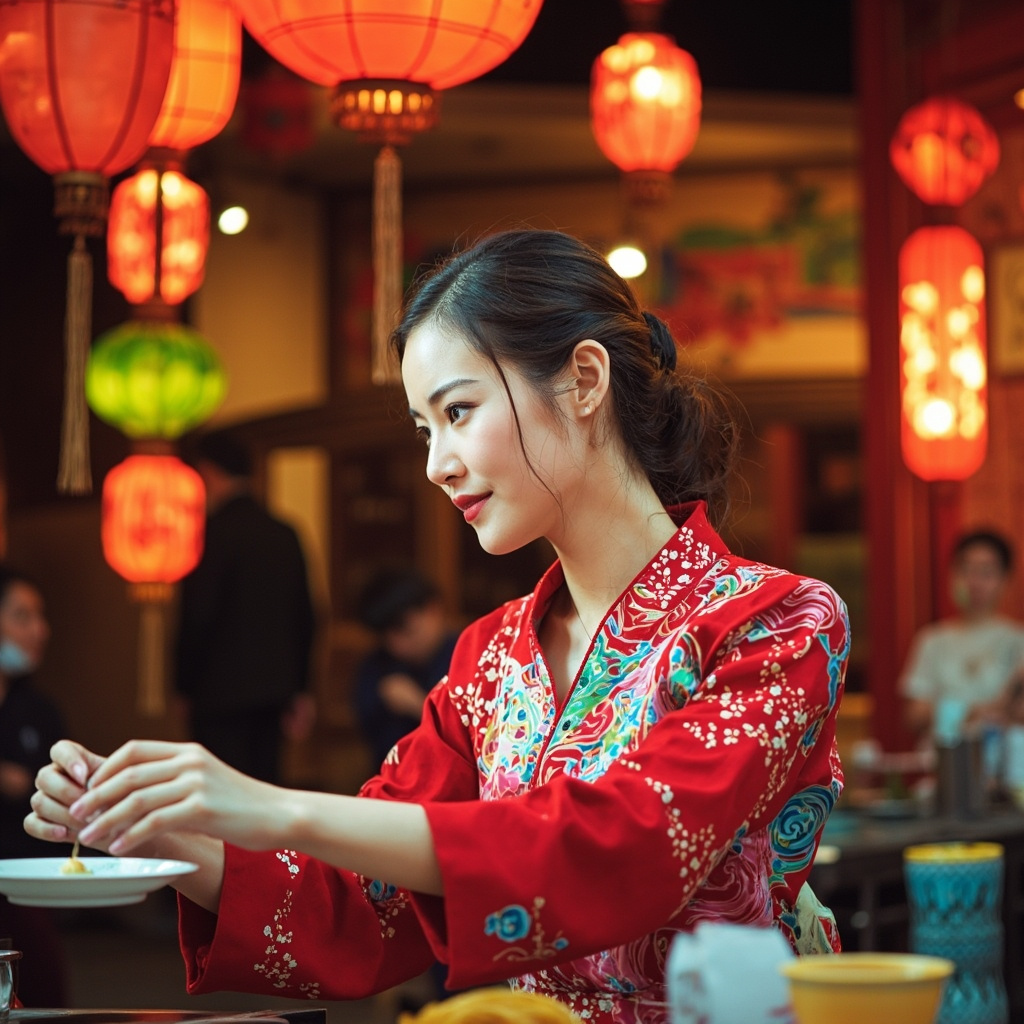
Guangzhou Cantonese Culture: A Journey Through Southern China’s Ancient Traditions
When you step onto the bustling sidewalks of Guangzhou, the scent of steaming dim sum, the lilting notes of a Cantonese opera aria, and the sight of ornate Lingnan façades instantly transport you into a living museum of Guangzhou Cantonese culture. From centuries‑old tea houses to glittering modern skyscrapers, this southern Chinese metropolis weaves together ancient customs and 21st‑century dynamism into an unforgettable travel experience. Whether you’re a history buff, a foodie, or a culture enthusiast, Guangzhou offers a deep dive into the traditions that helped shape the Cantonese identity.
Why Guangzhou Is the Heart of Cantonese Culture
Guangzhou, the capital of Guangdong Province, has been the cradle of Cantonese language, cuisine, and performing arts for more than two millennia. Its strategic position on the Pearl River Delta made it a gateway for maritime trade, fostering a cultural exchange that still resonates in today’s vibrant cityscape. The phrase Guangzhou Cantonese culture isn’t just a tagline—it’s a living tapestry of history, language, gastronomy, and art that continues to evolve while honoring its roots.
1. Cantonese History and Origins
The story of Cantonese culture begins with the ancient Baiyue peoples who inhabited the Pearl River Delta long before the Han dynasty. Over the centuries, successive waves of migration, trade, and imperial administration blended indigenous customs with Central Chinese influences, giving rise to a distinct regional identity. The city’s role as the starting point of the Maritime Silk Road during the Tang and Song dynasties cemented its reputation as a cultural crossroads, where Buddhist temples, Confucian academies, and clan halls sprouted side by side.
- Han Dynasty (206 BC‑220 AD): Early Han settlers introduced Mandarin administration, but local dialects persisted.
- Tang Dynasty (618‑907 AD): Guangzhou became a major port, attracting Arab, Persian, and Indian merchants, whose influences are still visible in local architecture.
- Ming & Qing Dynasties (1368‑1912): The “Cantonese” identity solidified, marked by the rise of clan organizations, distinctive cuisine, and early forms of Cantonese opera.
Understanding this layered past helps travelers appreciate why Guangzhou’s cultural sites feel both ancient and cosmopolitan.
2. The Cantonese Language and Dialect
Cantonese (Jyutping) is more than a dialect; it’s a tonal language with nine tones that can sound musical to unaccustomed ears. While Mandarin serves as the national standard, Cantonese remains the lingua franca of daily life in Guangzhou, appearing on street signs, menus, and in casual conversation.
- Tone System: Six lexical tones (high, mid, low) and three entering tones give the language its characteristic “sing‑song” quality.
- Unique Vocabulary: Many everyday words differ from Mandarin (e.g., “eat” is “食 sik1” in Cantonese vs. “吃 chi1” in Mandarin).
- Written Cantonese: Informal written Cantonese uses characters rarely seen in formal Chinese, making it a fun puzzle for language lovers.
Practical Tip: Download a basic Cantonese phrasebook (e.g., “Hello” = “你好啊” / “nei5 hou2 aa3”) and practice a few polite expressions before you go. Locals appreciate the effort, and it opens doors to authentic interactions.
3. World‑Famous Cantonese Cuisine and Dim Sum
No discussion of Guangzhou Cantonese culture is complete without celebrating its culinary heritage. Cantonese cuisine is celebrated worldwide for its subtlety, fresh ingredients, and meticulous preparation methods. The city is the birthplace of dim sum—those delicate bite‑size dishes traditionally enjoyed over tea.
Must‑Try Dishes
- Har Gow (虾饺): Translucent shrimp dumplings, prized for their pleated, silky skin.
- Siu Mai (烧卖): Pork and prawn dumplings topped with a piece of orange fish roe.
- Char Siu (叉烧):Barbecued pork with a sweet, glossy glaze.
- Cheung Fun (肠粉): Silky rice noodle rolls filled with shrimp, beef, or roast pork.
- Egg Tarts (蛋挞): Flaky pastry shells with a custard filling, a sweet finale to any dim sum feast.
Head to Poly “Old Town” Dim Sum Street in the Liwan District or the upscale Tai Zhou Seafood Restaurant in Tianhe for a memorable meal. Many establishments still roll out bamboo steamers fresh from the kitchen—a ritual worth witnessing.
4. Traditional Tea Culture: Yum Cha
Yum cha (喝茶, “drinking tea”) is the ritualistic practice of sipping tea while grazing on small plates of food. In Guangzhou, tea houses are social hubs where families, friends, and business associates gather for leisurely mornings or early afternoons.
- Tea Varietals: Jasmine (茉莉花茶), Oolong (乌龙), and pu‑erh are staples. Each tea is paired with complementary dim sum—like a light oolong with steamed fish balls.
- Pouring Etiquette: When serving tea, pour for others first, then yourself; tapping the table with two fingers is a polite “thank you.”
- Social Aspect: It’s common to spend 1‑2 hours (or more) chatting, reading newspapers, or playing Mahjong while the tea pot keeps refilling.
For an authentic experience, visit Chen’s Tea House (est. 1885) in the old city, where you can watch tea masters perform the “Gongfu” ceremony—an intricate, meditative process of steeping tea.
5. Cantonese Opera: A Theatrical Treasure
Cantonese opera, a UNESCO Intangible Cultural Heritage, blends singing, acting, acrobatics, and elaborate costumes into a dramatic art form. Performances often narrate stories from Chinese mythology, historical epics, and folk legends.
- Key Elements: Face‑painting (脸谱) conveys character types, while stylized gestures (做手) convey emotions without extensive dialogue.
- Venues: The Guangdong Cantonese Opera Art Museum offers daily performances and workshops. For a grander setting, the Guangzhou Opera House hosts modern adaptations.
- Cost: Tickets typically range from ¥80‑¥300, with discounts for students and seniors.
Attending a live show provides insight into the emotional depth and artistic nuance that underpin Guangzhou Cantonese culture.
6. Traditional Festivals: Spring Festival and Dragon Boat Festival
Festivals are the beating heart of any culture, and Guangzhou celebrates its most iconic events with flamboyant flair.
Spring Festival (Chinese New Year)
- Dates: First day of the lunar calendar (late January‑mid‑February).
- Highlights: Massive flower fairs (花市), dragon and lion dances on Beijing Road, and spectacular fireworks over the Pearl River.
- Travel Tip: Book accommodations months in advance; many locals travel out of the city, so hotels offer attractive rates before the holiday.
Dragon Boat Festival (Duanwu Festival)
- Dates: Fifth day of the fifth lunar month (usually June).
- Highlights: Thrilling dragon boat races on the Pearl River, sticky rice dumplings (zongzi), and folk performances.
- Travel Tip: Head to the Haizhu District for the most competitive races and a lively riverside atmosphere.
7. Unique Lingnan Architecture
Lingnan architecture is a regional style that fuses Chinese, Western, and Islamic design elements—a testament to Guangzhou’s historic role as a trade hub.
- Key Features: Ornate brick façades, pastel‑colored tiles, “green‑brick” roof ridges, and spacious courtyards with fish ponds.
- Must‑See Sites:
- Chen Clan Ancestral Hall: 19th‑century compound with intricate wood carvings and a classic Lingnan garden.
- Shangxiajiu Pedestrian Street: A living museum of Western‑influenced arcades and Cantonese shopfronts.
- Xiguan Residence (West Gate): Restored mansions showcasing traditional “sitting‑room” layouts and beautiful lattice windows.
Strolling through these neighborhoods, you’ll notice how each building tells a story of trade, adaptation, and community pride.
8. Modern Guangzhou as a Megacity
Beyond its historic core, Guangzhou dazzles with a skyline of glass and steel that ranks among the world’s tallest. The Zhujiang New Town district is a futuristic hub of finance, fashion, and technology, while the Canton Tower (Guangzhou TV & Sightseeing Tower) offers panoramic views of the Pearl River.
- Transport: The city’s metro network (14 lines) is efficient and cheap; a single ride costs as little as ¥2. High‑speed rail links Guangzhou to Hong Kong (≈35 min) and Shenzhen (≈30 min).
- Contemporary Art: The Guangzhou Museum of Art and 33 Contemporary Art Center showcase both local talent and international exhibitions.
- Shopping: From luxury malls like Tee Mall to bustling wholesale markets like Shangxiajiu, Guangzhou satisfies every shopper’s appetite.
9. Practical Travel Tips for Exploring Guangzhou Cantonese Culture
- Best Time to Visit: October‑December offers mild weather (15‑25 °C) and coincides with the Canton Fair (China Import and Export Fair), a prime time for business‑oriented travelers.
- Getting Around: Purchase an Octopus‑style card (or the local Yang Cheng Tong) for seamless metro, bus, and ferry rides. Ride‑hailing apps (DiDi) are reliable and inexpensive.
- Language: While Mandarin is widely understood, mastering a few Cantonese phrases enriches interactions, especially in markets and tea houses.
- Health & Safety: Guangzhou’s medical facilities are excellent; keep a copy of your insurance. Tap water is safe, but many locals prefer bottled water.
- Currency & Payments: Mobile payments (WeChat Pay, Alipay) dominate; cash is rarely needed, but small bills are handy for street food stalls.
- Cultural Etiquette: Respect elders by offering tea first, avoid pointing feet at people or altars, and remove shoes when entering temples or historic homes.
- Food Safety: Choose busy stalls with high turnover for fresh ingredients. Peel fruits or opt for cooked dishes if you have a sensitive stomach.
- Accommodation: Boutique hotels in the Liwan and Yuexiu districts place you within walking distance of historic sites. For luxury, consider the Rose Garden Hotel near the Pearl River.
- Day‑Trip Ideas: Explore the ancient village of Nanfeng Ancient Kiln (45 min by metro) for porcelain making, or take a ferry to Shamian Island for colonial‑era architecture.
Conclusion
Guangzhou stands as a living testament to the resilience and creativity of Guangzhou Cantonese culture. From the echo of ancient dialects in bustling markets to the sizzle of dim sum in open kitchens, every corner of the city tells a story of tradition meeting modernity. Whether you’re sipping tea in a century‑old teahouse, marveling at the flamboyant costumes of Cantonese opera, or watching dragon boats race under the gleaming Canton Tower, the experience is a feast for all senses.
So pack your bags, brush up on a few Cantonese greetings, and set off on a journey that will not only broaden your travel horizons but also deepen your appreciation for one of China’s most vibrant cultural legacies. Guangzhou awaits—ready to share its centuries‑old customs, flavors, and artistry with curious souls from around the globe.