## Introduction
China is a land of staggering geographic and climatic diversity. From the bone‑dry deserts of Xinjiang in the west to the muggy subtropical forests of Guangdong in the south, the weather you encounter can vary dramatically depending on where and when you travel. Whether you’re strolling through the cherry‑blossom streets of Hangzhou in spring, coping with the humid heat of Beijing’s summer, marveling at the golden foliage of Chengdu’s autumn, or braving the icy winds of Harbin’s winter, packing the right gear can make the difference between a smooth adventure and an uncomfortable ordeal.
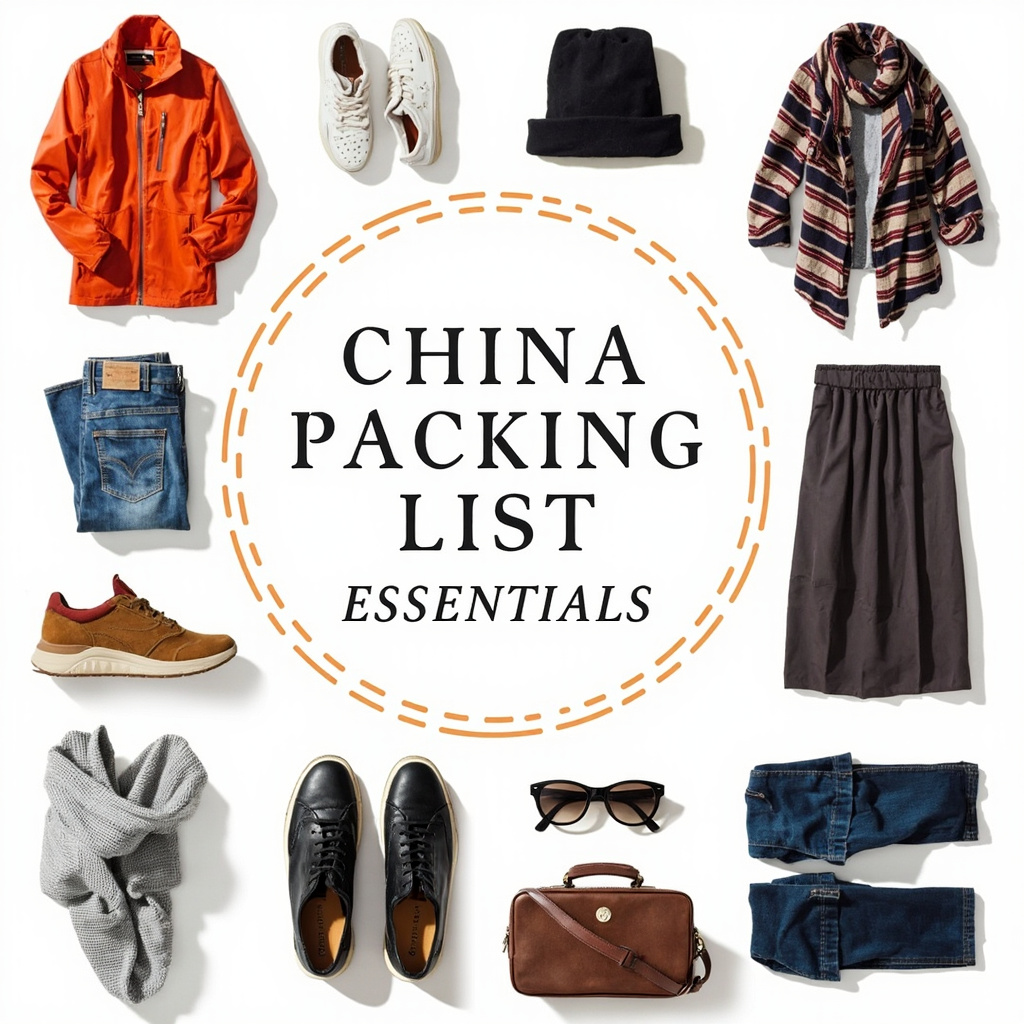
This guide provides a **season‑by‑season packing list** tailored to China’s four distinct climate zones, with practical tips, specific product recommendations, and approximate USD costs. Use it as a checklist, adapt it to your itinerary, and you’ll arrive prepared for whatever the Middle Kingdom throws at you.
—
## How to Use This Packing List
– **Mix & match:** The items below cover the extremes of each season. Adjust quantities based on the length of your stay and the specific provinces you plan to visit.
– **Layering is key:** Chinese weather can swing from chilly mornings to warm afternoons, especially in spring and autumn. A versatile layering system saves suitcase space and keeps you comfortable.
– **Budget vs. luxury:** Costs are given as a **budget‑mid‑range** estimate (e.g., $12‑$25). You can always find cheaper knock‑offs in local markets or invest in higher‑end gear for durability.
– **Don’t forget essentials:** Even if a season isn’t mentioned, certain items—passport, VPN, universal adapter—are year‑round must‑haves.
—
## Spring (March – May)
### Climate Overview
Spring in China is a transitional period. **Northern cities** (Beijing, Harbin) see temperatures ranging from 5 °C (41 °F) in early March to 20 °C (68 °F) by late May, with occasional dust storms. **Southern cities** (Guangzhou, Shanghai) are milder, 12 °C–25 °C (54 °F–77 °F), and receive moderate rainfall. Expect occasional drizzles, especially in the Yangtze River Delta.
### Clothing Essentials
– **Layered tops:** 2–3 lightweight long‑sleeve shirts ($15‑$20 each) and 2 short‑sleeve T‑shirts ($10‑$15).
– **Mid‑layer:** A packable down or fleece vest ($30‑$45) for cooler mornings.
– **Waterproof jacket:** A breathable, packable rain shell ($25‑$40). Look for sealed seams; they’re essential for sudden spring showers.
– **Bottoms:** 1 pair of convertible pants that zip off into shorts ($30‑$45) plus 1 pair of comfortable jeans ($25‑$35).
– **Footwear:** Water‑resistant walking shoes ($40‑$60) with good ankle support; a spare pair of lightweight sneakers for evenings.
### Gear & Accessories
– **Portable umbrella:** Compact, wind‑resistant model ($12‑$18).
– **Sunglasses & hat:** UV‑protective shades ($15‑$25) and a baseball cap or sun hat ($10‑$15).
– **Daypack:** A small 15‑L backpack ($20‑$35) for day trips.
### Budget Cost Example (Spring)
| Item | Budget | Mid‑Range |
|——|——–|———–|
| Packable rain jacket | $12 | $25 |
| Convertible pants | $30 | $45 |
| Walking shoes | $40 | $55 |
| Portable umbrella | $12 | $18 |
| **Total (core items)** | **$94** | **$143** |
—
## Summer (June – August)
### Climate Overview
Summer in China is **hot and humid**, especially in the south. Temperatures often climb to 30 °C–35 °C (86 °F–95 °F), with heat indices reaching 40 °C (104 °F) in cities like Chongqing and Wuhan. The **monsoon season** brings heavy rainfall to the Yangtze River basin, while the north can experience dry, scorching heat.
### Clothing Essentials
– **Moisture‑wicking tops:** 3 quick‑dry T‑shirts ($12‑$18 each) to keep sweat off your skin.
– **Shorts & lightweight pants:** 2 pairs of breathable shorts ($15‑$20) and 1 pair of light cargo pants ($25‑$35) for mosquito protection in evenings.
– **Sun‑protective gear:** UPF 50+ long‑sleeve shirt ($20‑$30) for extreme sun days; a wide‑brim sun hat ($12‑$18).
– **Swimwear:** If you plan to visit coastal resorts or hotel pools (common in Hainan), pack a quick‑dry swimsuit ($15‑$25).
– **Footwear:** Breathable mesh shoes ($30‑$45) and flip‑flops for the beach ($8‑$12).
### Gear & Accessories
– **Reusable water bottle with filter:** Essential in areas with variable tap‑water quality ($20‑$30).
– **Cooling towel:** Microfiber cooling cloth that stays cold when wet ($8‑$12).
– **Mosquito repellent:** DEET‑based spray or wipes ($6‑$10).
– **Waterproof backpack cover:** Keeps electronics dry during sudden downpours ($8‑$12).
– **Power bank (20 000 mAh):** For long train rides or sightseeing days ($25‑$35).
### Budget Cost Example (Summer)
| Item | Budget | Mid‑Range |
|——|——–|———–|
| Quick‑dry T‑shirt (×3) | $36 | $54 |
| Light cargo pants | $25 | $35 |
| Breathable mesh shoes | $30 | $45 |
| Cooling towel | $8 | $12 |
| Waterproof backpack cover | $8 | $12 |
| **Total (core items)** | **$107** | **$158** |
—
## Autumn (September – November)
### Climate Overview
Autumn is arguably the **best time to visit China**. The summer heat subsides, humidity drops, and skies turn crisp. In the north, temperatures range from 10 °C–20 °C (50 °F–68 °F). Southern areas enjoy 15 °C–25 °C (59 °F–77 °F). Rainfall is minimal, but early September can still see lingering summer showers in the south.
### Clothing Essentials
– **Lightweight sweater or cardigan:** 1 merino wool or cashmere‑blend sweater ($35‑$55) for cool evenings.
– **Long‑sleeve shirts:** 2–3 breathable shirts ($12‑$18 each).
– **Jackets:** A **lightweight insulated jacket** ($40‑$65) or a packable down coat ($50‑$80) for colder northern mornings.
– **Bottoms:** 1 pair of dark denim or chinos ($30‑$45) and 1 pair of comfortable leggings or joggers ($20‑$30) for travel days.
– **Footwear:** Sturdy ankle boots ($45‑$70) or waterproof hiking shoes ($50‑$75). Both keep feet warm and dry.
### Gear & Accessories
– **Travel pillow & eye mask:** Useful for long-haul flights and overnight trains ($15‑$25).
– **Portable Wi‑Fi hotspot or e‑SIM:** Stay connected with a China‑compatible data plan ($30‑$50 for a 30‑day e‑SIM).
– **Small first‑aid kit:** Include antihistamines, rehydration salts, and a few band‑aids ($10‑$15).
– **Reusable shopping bag:** Helpful for markets and souvenir shopping ($2‑$5).
### Budget Cost Example (Autumn)
| Item | Budget | Mid‑Range |
|——|——–|———–|
| Lightweight insulated jacket | $40 | $65 |
| Merino sweater | $35 | $55 |
| Sturdy ankle boots | $45 | $70 |
| Travel pillow | $15 | $25 |
| e‑SIM (30‑day) | $30 | $50 |
| **Total (core items)** | **$165** | **$265** |
—
## Winter (December – February)
### Climate Overview
Winter in China ranges from **cold and dry** in the north (Beijing: -5 °C to 5 °C / 23 °F–41 °F) to **mild but damp** in the south (Guangzhou: 8 °C–15 °C / 46 °F–59 °F). Snow is common in Harbin, Jilin, and parts of Inner Mongolia, while the Yangtze Delta experiences occasional frost.
### Clothing Essentials
– **Thermal base layers:** 2–3 pairs of merino wool or synthetic long‑johns ($25‑$40 each).
– **Insulating mid‑layer:** A thick fleece or down jacket ($60‑$100). For extreme cold, a **down parka** with a water‑resistant shell ($120‑$180).
– **Outer shell:** A windproof, waterproof coat ($70‑$110) with sealed seams.
– **Accessories:** Insulated gloves ($15‑$25), a warm beanie or balaclava ($10‑$15), and a scarf ($12‑$20).
– **Footwear:** Waterproof, insulated boots ($70‑$120) rated to at least -10 °C (14 °F). Pack thick wool socks (3–4 pairs, $5‑$8 each).
### Gear & Accessories
– **Hand warmers (disposable):** 10‑pack of air‑activated warmers ($6‑$10).
– **Lip balm & moisturizing lotion:** Cold air dries skin quickly ($5‑$8 each).
– **Portable phone charger with heating function:** Some models double as hand warmers ($20‑$30).
– **Travel‑size humidifier:** Useful in heated indoor spaces that can be extremely dry ($15‑$25).
### Budget Cost Example (Winter)
| Item | Budget | Mid‑Range |
|——|——–|———–|
| Thermal base layer (×2) | $50 | $80 |
| Down parka (mid‑range) | $120 | $180 |
| Insulated gloves | $15 | $25 |
| Waterproof boots | $70 | $120 |
| Hand warmers (10‑pack) | $6 | $10 |
| **Total (core items)** | **$261** | **$415** |
—
## Year‑Round Essentials
No matter the season, a handful of items belong in every traveler’s bag:
### Documents & Money
– **Passport & visa:** Ensure at least six months validity.
– **Travel insurance:** Comprehensive policy covering medical evacuation ($30‑$50 per week).
– **Copies of documents:** Digital copies stored in cloud + printed copies kept separately.
– **Cash & cards:** Small amount of RMB (¥200–¥500) for small purchases; a Mastercard/Visa credit card for larger transactions. ATM fees average $3‑$5 per withdrawal.
### Health & Comfort
– **Prescription meds:** Enough for the trip plus a few days’ extra.
– **Basic first‑aid kit:** Pain relievers, antidiarrheal, antihistamine, adhesive bandages.
– **Hand sanitizer & tissues:** Public restrooms can be basic; sanitizer is a must.
– **Travel pillow & eye mask:** Crucial for overnight trains or flights.
### Technology
– **Smartphone:** Pre‑loaded with essential apps (WeChat, Maps, translation, VPN).
– **Universal travel adapter:** China uses Type A, C, and I plugs. A 3‑in‑1 adapter ($10‑$15) works for most devices.
– **Power bank:** 10 000‑20 000 mAh (allowed in cabin) for long sightseeing days.
– **VPN subscription:** Essential for accessing Google, YouTube, etc. Annual plans start around $40.
### Miscellaneous
– **Packing cubes:** Keep clothing organized and compress volume ($15‑$25 for a set).
– **Laundry bag or travel clothesline:** For hostels without laundry service.
– **Small padlock:** For hostel lockers or securing luggage on trains ($5‑$8).
– **Reusable water bottle:** Saves money and reduces plastic waste.
—
## Packing Strategies
### Roll vs. Fold
– **Rolling** works best for soft fabrics (T‑shirts, dresses) and can reduce wrinkles.
– **Folding** is preferable for structured items (jackets, pants) to maintain shape.
### Use Packing Cubes
Packing cubes (e.g., Eagle Creek Pack-It Specter) keep similar items together and make it easy to locate things without unpacking everything. A set of three cubes (small, medium, large) typically costs $15‑$25.
### Check Airline Weight Limits
– **International flights:** Most carriers allow 23 kg (50 lb) for checked baggage.
– **Domestic Chinese flights:** Usually 20 kg (44 lb) for economy. Excess baggage fees can be steep (≈$15‑$30 per kilogram).
### Keep a “Day‑Trip” Bag
Separate a small backpack or tote with essentials you’ll need on the plane or train: passport, boarding pass, phone, charger, water bottle, snacks, and a change of underwear. This makes security checks smoother and keeps you comfortable during long transits.
—
## Conclusion
China’s seasonal diversity means there’s no one‑size‑fits‑all packing list, but a **layered, weather‑adaptable approach** will serve you well in any region. By investing in a few high‑quality, multi‑functional pieces—such as a packable rain jacket, moisture‑wicking tops, and insulated footwear—you’ll be prepared for sudden temperature swings, rain showers, and the occasional dust storm. Complement these with year‑round essentials like a universal adapter, VPN, and travel‑size health supplies, and you’ll be able to focus on the adventure rather than the logistics.
Use this guide as a **starting point**, customize it to your itinerary, and enjoy every season the Middle Kingdom has to offer. Safe travels!