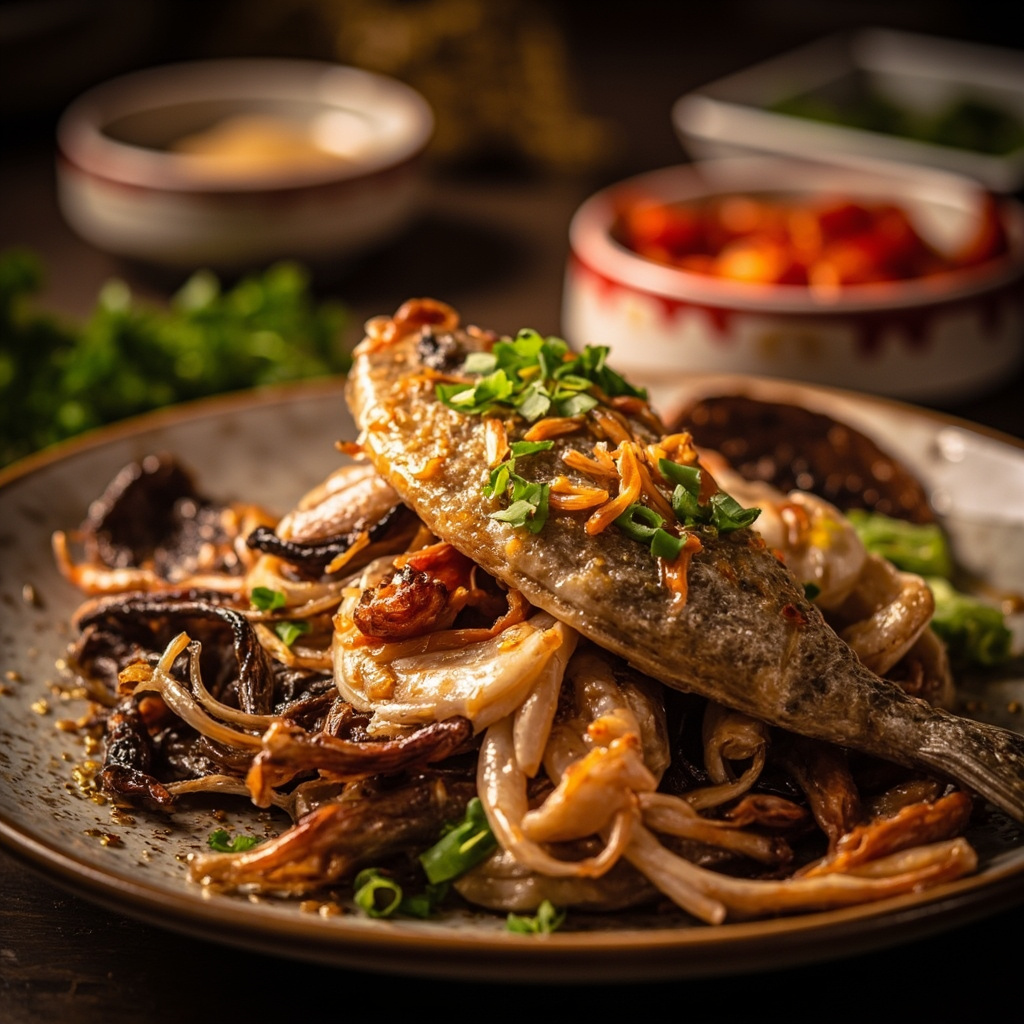
## Introduction: The Art of Chinese Seafood Cooking
Chinese cuisine has perfected the art of preparing seafood for thousands of years, developing techniques that transform fresh catches and preserved fish into dishes of extraordinary depth and flavor. In Chinese cooking philosophy, fish represents abundance, prosperity, and good fortune, making it a centerpiece of celebratory meals and everyday dining alike. The approach to seafood preparation varies dramatically between regions, with coastal provinces developing sophisticated methods for handling both the freshest catches and carefully preserved fish that can last through harsh winters.
This comprehensive guide explores the essential techniques Chinese home cooks and professional chefs use to prepare fresh and salted fish. Whether you are looking to master the delicate art of steaming whole fish or want to understand how salted fish adds umami depth to stir-fries, these traditional methods will elevate your cooking and connect you to centuries of culinary wisdom. The beauty of Chinese seafood cooking lies in its simplicity paired with precision, allowing the natural flavors of the fish to shine while incorporating complementary seasonings and cooking methods that have been refined over generations.
## Understanding Chinese Seafood Traditions
### Historical Significance of Fish in Chinese Cuisine
Fish has held a sacred place in Chinese food culture since ancient times, appearing in archaeological findings from Neolithic settlements along major rivers and coastlines. The Chinese character for fish (鱼) appears in countless idioms and expressions related to wealth, surplus, and abundance, reflecting its importance in daily life and spiritual beliefs. Imperial courts employed dedicated fish cooks who developed increasingly elaborate preparations, while rural families relied on preservation techniques to ensure protein availability throughout the year.
The coastal provinces of Guangdong, Fujian, Zhejiang, and Shandong became particularly adept at seafood preparation, each developing distinctive regional styles that emphasize different flavor profiles and cooking methods. Cantonese cuisine prioritizes the natural taste of fresh ingredients, leading to gentle cooking techniques like steaming and quick-poaching. Meanwhile, Shanghainese cooking embraces the rich, savory complexity of cured and salted fish, incorporating them into hearty dishes that reflect the Yangtze River Delta’s culinary heritage.
### The Philosophy Behind Fresh vs. Salted Fish
Chinese cooks understand that fresh fish and salted fish serve different purposes and require fundamentally different approaches. Fresh fish dishes aim to preserve and enhance the natural sweetness, delicate texture, and subtle marine flavors of the catch. The goal is minimal intervention, allowing the quality of the fish to speak for itself. Steaming with ginger and scallions, a Cantonese classic, exemplifies this philosophy, producing a dish where the fish’s freshness is the star attraction.
Salted and cured fish operate within an entirely different paradigm, where preservation transforms the ingredient into something new and complex. Salting draws out moisture and concentrates flavors, while fermentation develops layers of umami that complement fresh ingredients beautifully. A small amount of salted fish can elevate an entire stir-fry, adding depth and savoriness that fresh fish alone cannot achieve. Understanding when to use fresh versus salted preparations is key to mastering Chinese seafood cooking.
## Techniques for Fresh Fish
### Steaming (Qing Zheng)
Steaming represents the quintessential method for preparing fresh whole fish in Chinese cuisine, particularly in Cantonese and Teochew cooking traditions. This gentle cooking technique preserves the fish’s natural juices, delicate texture, and subtle sweetness while infusing it with aromatic accompaniments. The process requires careful attention to timing and temperature, as overcooking produces a dry, tough result that defeats the purpose of choosing this method.
To steam a whole fish properly, begin with a fish that has been cleaned but kept intact, typically weighing between one and two pounds for optimal results. Score the fish on both sides with diagonal cuts about one inch apart, cutting deep enough to reach the bone but not through the skin. This allows heat to penetrate evenly and helps the fish cook uniformly. Place the fish on a heat-proof plate that fits inside your steamer, then arrange thin slices of fresh ginger and scallion segments both under and over the fish. The aromatics steam together with the fish, imparting subtle flavor without overwhelming the natural taste.
Heat your steamer over high heat until the water reaches a vigorous boil, then carefully place the plate inside and cover tightly. A one-pound fish typically requires eight to ten minutes of steaming, while larger fish up to two pounds need twelve to fifteen minutes. The fish is done when the flesh turns opaque and easily flakes when tested with a fork, and the skin pulls away cleanly from the flesh at the scored cuts. Finish with a simple sauce of heated soy sauce, sesame oil, and sliced scallions poured over the top just before serving.
### Pan-Frying and Stir-Frying
Chinese cuisine employs high-heat pan-frying and wok stir-frying as versatile techniques for fish fillets, chunks, and smaller whole fish. These methods create delicious caramelized surfaces through the Maillard reaction while maintaining a tender, moist interior. The key to successful pan-frying lies in ensuring the fish surface is completely dry before it touches the hot oil, as moisture creates steam that prevents proper browning.
For pan-fried fish fillets, season the fish lightly with salt and allow it to rest uncovered in the refrigerator for thirty minutes. This process draws moisture to the surface, which you can then pat away thoroughly before cooking. Heat a heavy skillet with enough oil to coat the bottom generously, and wait until the oil shimmers and flows easily across the pan. Carefully place the fish skin-side down if applicable, and press it gently with a spatula for the first thirty seconds to prevent curling. Reduce heat to medium and cook until the edges turn golden and the flesh appears opaque halfway up the sides, typically three to four minutes for half-inch thick fillets.
Stir-frying fish requires cutting the fish into bite-sized pieces and working over extremely high heat in a well-seasoned wok. The technique demands preparation beforehand, as the cooking itself takes less than two minutes. Marinate the fish briefly in a mixture of rice wine, salt, and cornstarch, which creates a light coating that protects the delicate flesh while allowing it to sear quickly. Add oil to the wok, wait for it to smoke lightly, then add the fish pieces in a single layer without crowding. Allow them to sear undisturbed for thirty seconds before tossing, then add vegetables and seasonings for the final minute of cooking.
### Braising and Red Cooking
Braising, known in Chinese as hong shao or “red cooking,” transforms fresh fish into deeply flavored dishes with tender, silky textures. This slow-cooking method involves first searing the fish at high temperature, then simmering it in a savory sauce until the flavors meld completely. The resulting dish keeps well and often tastes better the following day as the flavors continue to develop and penetrate the fish flesh.
Red cooking fish typically begins with a sauce built from soy sauce, rice wine, rock sugar, and aromatics like star anise, ginger, and scallions. These ingredients combine to create a glossy, mahogany-colored braising liquid that clings to the fish and infuses it with complex sweetness and umami. Place the seared fish in a heavy pot or clay pot, pour the sauce over it, and bring to a gentle simmer. Cover and cook over low heat for thirty to forty-five minutes, occasionally spooning the sauce over the fish to ensure even flavor distribution.
The fish can also be braised in a single serving-sized portion with vegetables like tofu skin, bamboo shoots, and mushrooms for a complete one-dish meal. Some recipes call for a final step of reducing the sauce uncovered over high heat until it thickens and intensifies, then pouring it back over the fish for serving. This technique creates a lacquered appearance and concentrated flavors that define traditional hong shao dishes.
### Quick-Boiling and Water-Cooking
The water-cooking technique, often called wei bao yu or “wrapped fish,” produces exceptionally tender and juicy fish with a clean, delicate flavor profile. Unlike Western poaching, Chinese water-cooking typically uses water that has been seasoned with ginger, scallions, and rice wine but not brought to a full boil. The fish cooks gently in water that stays just below the boiling point, resulting in flesh that is white throughout and virtually impossible to overcook.
To water-cook fish successfully, bring the seasoned water to a boil, then turn off the heat and add the cleaned whole fish or large fillets. Cover the pot tightly and allow residual heat to cook the fish for eight to twelve minutes depending on size. The slow, even heat penetration ensures that the thickest part of the fish cooks without the outer layers becoming tough or dry. This method works especially well for fish with firm, white flesh like sea bass, red snapper, and flounder.
## Techniques for Salted and Cured Fish
### The Art of Salting (Yan Jin)
Salting represents one of China’s oldest food preservation methods, developed out of necessity before refrigeration became available. The process draws moisture from the fish through osmosis while salt penetrates the flesh, transforming fresh fish into a concentrated, shelf-stable product that can last for months when stored properly. Traditional Chinese salted fish ranges from lightly cured preparations meant to be cooked within days to heavily salted varieties aged for weeks that develop intense, pungent flavors.
Creating basic salted fish at home requires only fresh fish, coarse sea salt, and patience. Split the fish open and remove the innards, then rinse briefly and pat completely dry. Generously coat the interior and exterior with salt, using approximately one tablespoon of salt per pound of fish. Place the fish in a non-reactive container, cover it loosely, and refrigerate for twenty-four to forty-eight hours depending on desired intensity. Longer curing produces saltier, more concentrated fish that need to be soaked before cooking to remove excess salt.
Traditional preparations often incorporate rice wine, Sichuan peppercorns, and other spices into the cure for added complexity. Some recipes call for layering the salted fish with rice, which ferments slightly during the curing process and adds another dimension of flavor. These regional variations reflect the ingenuity of Chinese cooks who turned a preservation necessity into an artisanal delicacy.
### Steaming Salted Fish
Steaming provides the ideal cooking method for salted fish, as the gentle heat warms the fish through while allowing excess salt to leach into the steaming liquid. This technique is especially popular for Cantonese-style salted fish, which is typically less heavily cured than northern varieties. A steamed salted fish dish takes less than fifteen minutes from start to finish, making it a quick weeknight option when paired with simply prepared rice and vegetables.
Before steaming, soak heavily salted fish in cold water for thirty minutes to an hour to remove excess salt, changing the water once midway through. Cut the fish into serving-sized pieces and arrange them on a plate with sliced ginger and a drizzle of sesame oil. Steam over high heat for eight to ten minutes until the flesh becomes opaque and separates easily. The resulting liquid in the steaming plate can be drizzled over steamed rice for a simple condiment that captures concentrated fish flavor.
Salted fish pairs wonderfully with fresh ingredients in steamed dishes. Try placing thin slices of salted fish atop steamed tofu, or arrange small pieces around the edges of a plate while steaming a whole fish in the center. The salted fish releases its savory oils during steaming, infusing the entire dish with umami richness that complements the fresh fish beautifully.
### Combining Salted Fish with Fresh Ingredients
One of the most satisfying applications for salted fish is incorporating it into stir-fries with fresh ingredients, where its intense savoriness elevates every bite. Salted fish and egg fried rice, a Cantonese comfort food classic, demonstrates how a small amount of cured fish transforms humble ingredients into something memorable. Chop the salted fish finely and fry it in hot oil until fragrant before adding the rice, allowing the fish’s oils to season every grain.
Salted fish also shines in dishes with bland but absorbent vegetables like winter melon, winter bamboo shoots, and tofu skin. The vegetables soak up the fish’s intense flavor while providing textural contrast and visual appeal. When cooking with heavily salted fish, remember that the fish itself provides most of the saltiness, so adjust additional seasonings accordingly to avoid an overly salty final dish.
Cantonese cooks frequently combine salted fish with fresh seafood, creating dishes that balance preserved intensity with natural sweetness. Salted fish and shrimp stir-fry, where the cured fish is briefly fried until crispy and then tossed with quick-cooked fresh shrimp, exemplifies this approach. The contrast between the chewy, salty fish and the tender, sweet shrimp creates a dynamic eating experience that showcases the complexity possible in Chinese seafood cooking.
## Essential Equipment and Ingredients
### Wok and Steamer Basics
Chinese seafood cooking requires minimal specialized equipment, but a few key tools make the techniques significantly easier to execute successfully. A round-bottomed carbon steel wok heated over high heat provides the intense, even heat distribution essential for stir-frying fish at high temperatures. The sloping sides of the wok allow ingredients to slide up the walls when tossed, creating the characteristic “wok hei” or breath of the wok that adds smoky depth to cooked dishes.
A steamer consisting of a large pot with a stacked insert and a tight-fitting lid proves indispensable for steaming whole fish and many vegetable dishes. Traditional bamboo steamers layered over a wok or dedicated steamer pot create excellent results, as the porous bamboo absorbs excess moisture and imparts a subtle woody aroma. Alternatively, metal steamer inserts work well and are easier to maintain, while electric steamers offer convenience for those without stovetop access.
A fish slice, a long slotted spatula designed specifically for handling whole cooked fish, prevents damage when transferring delicate steamed fish from steamer to serving plate. These affordable utensils have thin, flexible blades that slide beneath fish easily, and the slots allow liquids to drain away. Regular spatulas can work in a pinch, but the angled design of fish slices makes the task considerably easier.
### Key Seasonings and Sauces
Chinese seafood cooking relies on a relatively small pantry of seasonings that combine to create complex flavors without overwhelming the natural taste of fish. Light soy sauce provides saltiness and umami, while premium oyster sauce adds depth and a subtle sweetness. Sesame oil, added sparingly at the end of cooking or drizzled over finished dishes, contributes a distinctive nutty aroma that complements virtually all seafood preparations.
Rice wine, whether Shaoxing wine for general cooking or mijiu for more delicate preparations, serves multiple functions in Chinese seafood cooking. It tenderizes the fish, neutralizes fishy odors, and adds subtle sweetness and complexity. Ginger, scallions, and garlic form the aromatic foundation for most seafood dishes, with ginger being particularly effective at masking unwanted fish odors while adding its own warm, slightly spicy character.
Fresh herbs like cilantro and Thai basil appear in southern Chinese seafood dishes, providing bright, fresh notes that contrast with the richness of cooked fish. Ground white pepper, preferred over black pepper in Chinese cooking for its cleaner heat, seasons fish dishes throughout the country. Cornstarch dissolved in water creates a slurry that thickens sauce runoff from steamed fish into a glossy, pourable accompaniment.
## Regional Variations in Chinese Seafood Cooking
### Cantonese Style
Cantonese cuisine, originating from Guangdong Province and surrounding areas, represents the most refined approach to fresh seafood in Chinese cooking. The region’s proximity to the South China Sea provides access to incredible variety and freshness, inspiring cooking methods that honor rather than mask the quality of the ingredients. Steaming whole fish with minimal seasoning, precisely timed to preserve the delicate texture, defines Cantonese seafood philosophy.
Freshness is paramount in Cantonese seafood preparation, with live fish often selected tableside at restaurants and markets providing same-day catches to home cooks. The Cantonese saying “eat chicken to have strength, eat fish to gain intelligence” reflects the cultural importance of seafood in the regional diet. Light seasoning, short cooking times, and immediate service characterize Cantonese seafood dishes, allowing the natural sweetness and texture of the fish to shine.
Salted fish from Guangdong tends toward lighter curing, often involving just a day or two of salting before the fish is consumed fresh or briefly dried. Cantonese salted fish pairs beautifully with steamed rice, braised meats, and vegetable dishes, adding savory depth without overwhelming companion ingredients. The region’s famous “white cut chicken” technique, adapted for fish, involves briefly blanching the seafood and serving it with a simple dipping sauce of ginger, scallion, and oil.
### Shanghai Style
Shanghainese cuisine reflects the culinary heritage of the Yangtze River Delta, where abundant freshwater fish and access to coastal seafood created distinctive regional preparations. The cooking style is characterized by heavier seasoning, sweeter flavor profiles, and more elaborate braising techniques than the minimalist Cantonese approach. Red cooking, a slow braising method using soy sauce and sugar, produces iconic Shanghainese dishes like red-cooked fish and fish with brown sauce.
The region is famous for its cured and salted fish preparations, including the prized “Braised Salted Fish” and various fermented fish products. Shanghainese salted fish often involves longer curing times and additional ingredients like rice wine and spices, developing more intense flavors than Cantonese equivalents. These preserved fish feature prominently in the region’s winter cooking, preserved during abundant seasons for consumption when fresh fish becomes scarce.
Freshwater fish from the Yangtze and its tributaries star in many Shanghainese seafood dishes, with hairy crab season representing the most celebrated seafood event of the year. The region’s cooking techniques balance the richness of these freshwater products with brightening agents like vinegar and Zhejiang rice wine, creating dishes that are savory, slightly sweet, and refreshingly acidic.
### Sichuan Style
Sichuan seafood cooking incorporates the region’s signature bold flavors, featuring liberal use of Sichuan peppercorns, dried chilies, and the distinctive mala (numbing-spicy) sensation. While landlocked Sichuan Province relies primarily on freshwater fish from its numerous rivers and lakes, the cooking techniques translate beautifully to any seafood preparation. Fish dishes from this region typically feature robust seasoning that stands up to the fish’s natural flavors.
Steamed fish with chilies demonstrates Sichuan’s approach to seafood, featuring a bright red chili oil sauce that numbs and excites the palate while complementing the tender fish beneath. The signature “fish-fragrant” flavor profile, named for its traditional use with fish but applicable to many ingredients, combines doubanjiang (fermented chili bean paste), garlic, ginger, scallions, and rice wine into a complex, aromatic sauce that defines regional cooking.
Sichuan cooks also excel at smoking fish, a technique that imparts deep, earthy flavors through slow cooking over aromatic wood chips. Smoked fish from the region often incorporates star anise, Sichuan peppercorns, and other spices in the smoking process, creating aromatic complexity that pairs well with the region’s potent sauces and condiments.
## Conclusion: Bringing Chinese Seafood Techniques to Your Kitchen
Mastering Chinese seafood cooking techniques opens a world of delicious possibilities, from the delicate elegance of steamed whole fish to the intense savoriness of salted fish stir-fries. The methods described in this guide have sustained Chinese families for generations, transforming fresh catches and preserved preparations into meals that nourish both body and spirit. With practice and attention to fundamentals like timing, temperature, and seasoning balance, home cooks can achieve restaurant-quality results in their own kitchens.
Begin your journey with the simpler techniques like steaming, which requires minimal equipment and rewards careful attention to detail. Once comfortable with basic preparations, explore the fascinating world of salted fish, which adds incredible versatility to your cooking repertoire. Remember that fresh fish should smell clean and mild, while properly salted fish should have an intense but pleasant aroma that indicates successful curing rather than spoilage.
Chinese seafood cooking ultimately reflects a philosophy of balance and harmony, where the natural qualities of the ingredient interact with technique and seasoning to create something greater than the sum of its parts. Whether you prepare a simple steamed fish for a quiet family dinner or a complex braised dish for a special celebration, these time-honored methods connect you to a culinary tradition spanning millennia. Gather your ingredients, heat your wok or steamer, and discover the joy of bringing authentic Chinese seafood techniques into your home cooking practice.