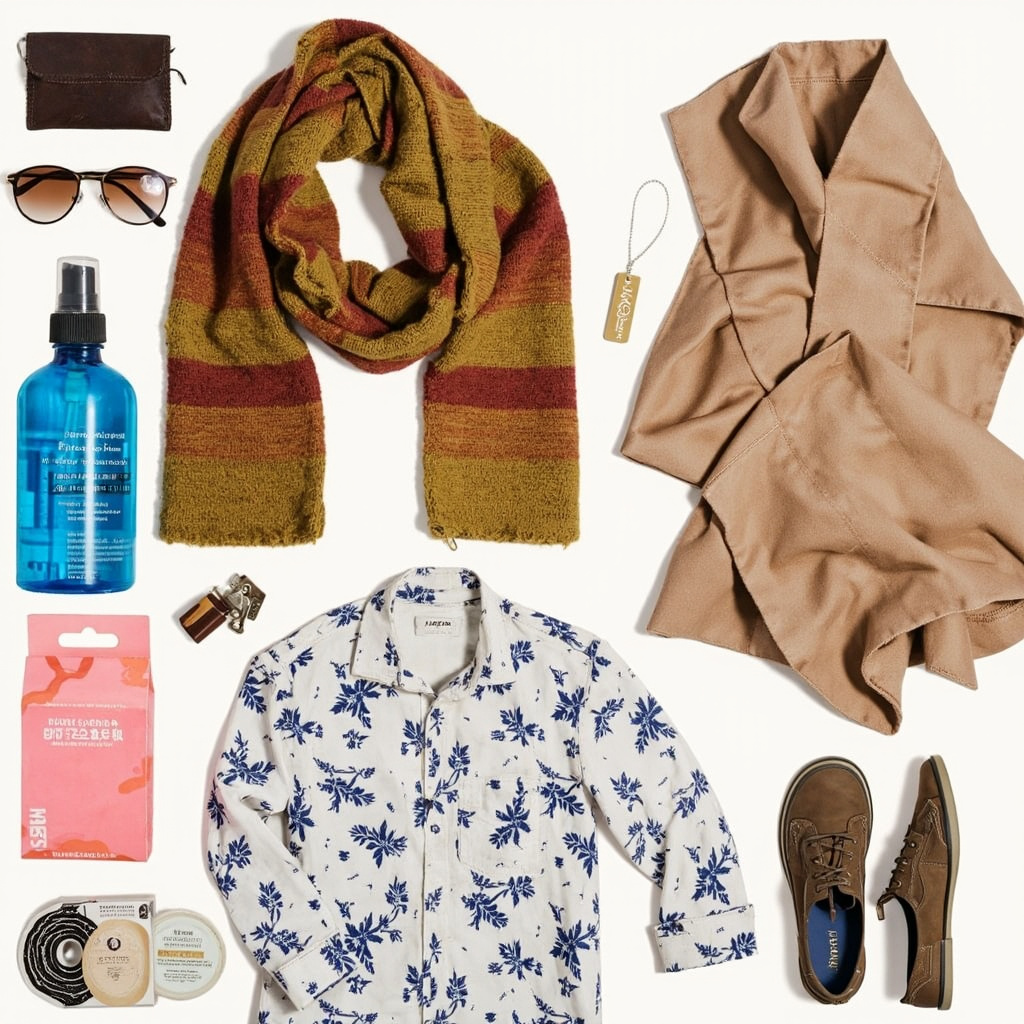
## Introduction
Traveling to China offers a captivating blend of ancient history, buzzing modern megacities, and diverse natural landscapes. From the humid summers of Shanghai to the crisp, snowy winters of Harbin, the country’s climate varies dramatically across regions and seasons. For international travelers, packing the right gear can make the difference between a smooth adventure and a frustrating trip. This comprehensive China packing list covers the essentials you need for every season, with practical tips, regional insights, and must‑have items that will keep you comfortable, connected, and culturally respectful throughout your journey.
—
## Spring Packing List (March – May)
### Climate Overview
Spring in China sees temperatures gradually warming, but the weather can be unpredictable. Northern cities like Beijing experience mild days (10‑15 °C) with occasional cold snaps, while southern hubs such as Guangzhou enjoy warmer averages (20‑25 °C). Rainfall becomes more frequent, especially in the Yangtze River Delta.
### Clothing Essentials
– **Layered tops**: Lightweight long‑sleeve shirts, breathable T‑shirts, and a medium‑weight sweater or fleece.
– **Water‑resistant jacket**: A packable raincoat or shell will protect against sudden showers.
– **Comfortable trousers**: Convertible pants that can be zipped off into shorts are ideal for changing temperatures.
– **Footwear**: Breathable walking shoes with good traction; waterproof boots for rainy days.
### Accessories & Gear
– **Umbrella**: Compact, travel‑size umbrella for unexpected rain.
– **Sun protection**: UV‑blocking sunglasses and a wide‑brim hat for sunny afternoons.
– **Light scarf**: Useful for dust, wind, or adding an extra layer in cooler evenings.
### Electronics & Connectivity
– **Universal power adapter**: China uses Type A/B/C/I plugs (most hotels support Type I).
– **Portable charger**: Essential for long days of sightseeing.
– **VPN‑enabled device**: Access to blocked websites (Google, YouTube, social media) is limited; a reliable VPN ensures you stay connected.
### Documents & Money
– **Passport & visa**: Keep a copy of your visa and entry stamp.
– **Cash & cards**: While mobile payments (Alipay, WeChat Pay) dominate, carrying some RMB cash for small vendors is wise.
– **Travel insurance card**: Useful for medical emergencies.
### Health & Hygiene
– **Reusable water bottle**: Tap water isn’t potable; bottled or filtered water is recommended.
– **Basic first‑aid kit**: Pain relievers, antihistamines, band‑aids, and any prescription meds.
– **Hand sanitizer & disinfecting wipes**: Helpful in crowded tourist spots.
—
## Summer Packing List (June – August)
### Climate Overview
Summer in China can be sweltering, especially in the south. Temperatures often exceed 30 °C (86 °F) with high humidity. The rainy season (Meiyu) affects the Yangtze region, bringing frequent thunderstorms. Northern areas such as Beijing experience hot, dry days but can be smoggy.
### Clothing Essentials
– **Breathable fabrics**: Moisture‑wickicking T‑shirts, lightweight linen shirts, and quick‑dry shorts.
– **UV‑protective clothing**: Long‑sleeve shirts with UPF 50+ are handy for intense sun exposure.
– **Comfortable sandals or slip‑ons**: Ideal for hot pavement and temple visits.
– **Swimwear**: Many hotels and resorts have pools; a compact swimsuit is a must.
### Accessories & Gear
– **High‑SPF sunscreen**: At least SPF 30, reapply every two hours.
– **Insect repellent**: Mosquitoes thrive in humid areas, especially near water bodies.
– **Cooling towel**: A damp, quick‑dry towel can lower body temperature on extremely hot days.
– **Compact umbrella**: For sudden downpours and intense sun alike.
### Electronics & Connectivity
– **Portable fan or mini‑ USB fan**: Useful when air‑conditioning is insufficient.
– **Power bank**: High capacity (≥10,000 mAh) for long trips without charging points.
– **Smartphone with offline maps**: Download region‑specific maps via Maps.me or Google Maps for navigation without data.
### Health & Hygiene
– **Electrolyte packets**: Combat dehydration from sweating.
– **Anti‑heatstroke medication**: If you’re sensitive to heat, bring appropriate remedies.
– **Tissues & wet wipes**: Public restrooms may lack toilet paper; carrying your own is practical.
### Cultural Considerations
– **Modest clothing for temples**: Wear lightweight, long pants or skirts and shirts that cover shoulders when visiting religious sites.
– **Reusable tote bag**: Reduces plastic waste when shopping at markets.
—
## Autumn Packing List (September – November)
### Climate Overview
Autumn is arguably the best time to visit China. Temperatures cool down to comfortable ranges (15‑25 °C) and humidity drops, offering clear skies, especially in Beijing and Xi’an. However, early September can still be warm, while late November may bring chilly nights in the north.
### Clothing Essentials
– **Light to medium layers**: Long‑sleeve shirts, breathable sweaters, and a medium jacket for cooler evenings.
– **Comfortable jeans or casual trousers**: Versatile for both city exploring and rural hiking.
– **Sturdy walking shoes**: Ideal for cobblestone streets and mountainous trails.
– **Light fleece or down vest**: Perfect for layering without bulk.
### Accessories & Gear
– **Lightweight scarf or shawl**: For temple dress codes and cooler breezes.
– **Camera with extra batteries**: Autumn landscapes (e.g., the colors of the Huangshan mountains) are a photographer’s dream.
– **Travel pillow & eye mask**: Long train rides or flights benefit from these comfort items.
### Electronics & Connectivity
– **Universal travel adapter**: Same as spring; ensure compatibility with high‑speed USB charging.
– **Noise‑canceling headphones**: Helpful on noisy bullet trains (Gaotie) and crowded tourist sites.
– **Portable Wi‑Fi hotspot or local SIM**: China’s 4G network is extensive; a local SIM (e.g., China Mobile) provides affordable data.
### Health & Hygiene
– **Seasonal flu vaccine**: Recommended, especially for older travelers.
– **Hand sanitizer**: Still essential in markets and street food stalls.
### Cultural Tips
– **Respect for local customs**: Carry a small “red envelope” style gift for hosts if invited to a family meal.
– **Cash for small purchases**: While mobile payments dominate, some rural vendors still prefer cash.
—
## Winter Packing List (December – February)
### Climate Overview
Winters vary dramatically: Harbin’s temperatures can plunge to -20 °C (-4 °F), while southern cities like Guangzhou remain mild (5‑15 °C). Indoor heating is common in hotels and public transport, but stepping outside can be bitter.
### Clothing Essentials
– **Thermal base layers**: Merino wool or synthetic thermal tops and leggings trap heat efficiently.
– **Insulated jacket**: A down or synthetic insulated coat rated to at least -10 °C is crucial for northern destinations.
– **Waterproof outer shell**: Protects against snow, rain, and biting winds.
– **Warm accessories**: Thick wool socks, insulated gloves, a fleece-lined beanie, and a scarf.
– **Warm footwear**: Insulated, waterproof boots with good traction for icy sidewalks.
### Accessories & Gear
– **Hand warmers**: Disposable heat packs are cheap and effective for extreme cold.
– **Lip balm & moisturizer**: Cold air dries out skin quickly.
– **Travel‑size humidifier**: If you’re staying in centrally heated rooms, a small humidifier can improve comfort.
### Electronics & Connectivity
– **High‑capacity power bank**: Cold weather can drain batteries faster.
– **Backup battery for camera**: Extra batteries stored close to your body to keep them warm.
– **Portable charger for phone**: Keep your phone warm in your pocket to maintain battery life.
### Health & Hygiene
– **Cold‑weather medication**: Decongestants and cough syrup for possible cold symptoms.
– **Flu medication**: Winter flu peaks; having OTC remedies on hand is wise.
– **Emergency contact card**: Write down your hotel address and local emergency numbers in Chinese.
### Cultural Tips
– **Dress modestly for indoor heating**: Many Chinese homes and restaurants keep interiors warm; layered clothing helps you adapt quickly.
– **Respect public spaces**: Remove your coat when entering heated buildings to avoid overheating.
—
## General Packing Checklist for Any Season
– **Documents**: Passport, visa, flight tickets, hotel reservations, travel insurance, driver’s license (if renting a car), photocopy of important documents.
– **Money**: Cash (RMB), debit/credit cards with international usage enabled, small wallet for everyday purchases.
– **Electronics**: Smartphone, charger, universal adapter, portable battery, VPN‑enabled device, e‑reader or tablet (for offline guides).
– **Clothing**: Versatile layers, weather‑appropriate outerwear, comfortable shoes, swimwear (if needed), sleepwear.
– **Toiletries**: Toothbrush, toothpaste, travel‑size shampoo, conditioner, deodorant, personal hygiene items, prescription meds, basic first‑aid kit.
– **Comfort items**: Travel pillow, eye mask, earplugs, reusable water bottle, collapsible tote bag.
– **Technology**: Camera, spare batteries, memory cards, USB cable, portable Wi‑Fi or local SIM.
– **Safety**: Small padlock for hostels, money belt, copy of emergency contacts, travel safety whistle.
—
## Packing Hacks for International Travelers
1. **Roll, don’t fold**: Rolling clothes saves space and minimizes wrinkles.
2. **Use packing cubes**: Separate outfits by day or activity; they keep your suitcase organized.
3. **Pre‑measure liquids**: Keep toiletry bottles under 100 ml (3.4 oz) to comply with airline security rules.
4. **Pack a day‑bag**: A lightweight backpack for daily excursions prevents you from lugging your full suitcase.
5. **Check airline weight limits**: Domestic flights in China often have stricter weight restrictions; weigh your luggage before heading to the airport.
6. **Leave room for souvenirs**: Reserve about 20 % of your suitcase capacity for items you’ll bring back, especially Chinese tea, silk, or handicrafts.
—
## Conclusion
A well‑planned China packing list ensures you’re ready for any climate the Middle Kingdom throws at you. By focusing on versatile, layered clothing, essential electronics, cultural sensitivities, and health precautions, you’ll be able to explore everything from the bustling streets of Shanghai to the serene peaks of Yunnan with confidence. Remember to adapt the list to your specific travel dates, destinations, and personal needs. Safe travels, and enjoy your unforgettable Chinese adventure!