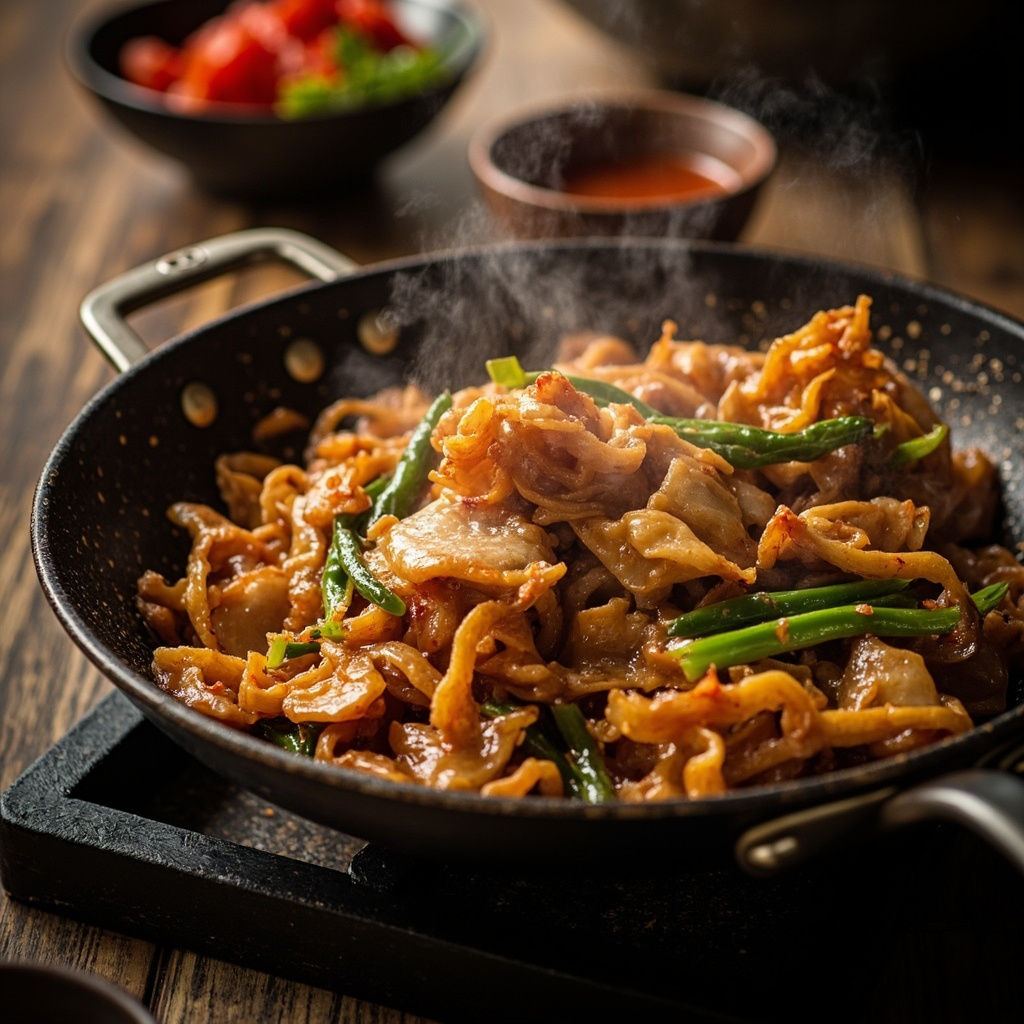
## Introduction: The Heart of Chinese Cuisine
Stir-frying is the cornerstone of Chinese culinary tradition, representing centuries of refinement and understanding of heat, timing, and ingredient harmony. This high-heat, rapid-cooking technique transforms simple vegetables, meats, and aromatics into vibrant, flavorful dishes that capture the essence of Chinese home cooking and restaurant excellence alike. For anyone seeking to understand authentic Chinese food culture, mastering stir-frying is not merely an option—it is an essential journey into the soul of one of the world’s most sophisticated culinary traditions.
The word “stir-fry” itself, or “chao” in Mandarin, literally means “to stir” or “to fry quickly,” capturing the essence of this dynamic cooking method. What makes stir-frying uniquely Chinese is not just the technique but the philosophy behind it: achieving harmony between textures, flavors, and colors while preserving the natural qualities of each ingredient. Unlike Western cooking methods that often mask ingredients beneath heavy sauces, stir-frying celebrates the integrity of each component while creating something greater than the sum of its parts.
In this comprehensive guide, we will explore everything you need to know about Chinese stir-frying techniques, from selecting the right equipment to understanding the science behind wok hei (the breath of the wok), ensuring you can bring authentic Chinese flavors into your own kitchen.
## The History and Cultural Significance of Stir-Frying
### Ancient Origins of a Revolutionary Technique
Stir-frying emerged during the Han Dynasty (206 BCE – 220 CE), though it truly came into its own during the Ming and Qing Dynasties when the wok became the universal cooking vessel in Chinese households. The technique developed out of necessity in a land where fuel was precious and time was valuable. By cutting ingredients into small, uniform pieces and cooking them at extremely high temperatures, Chinese cooks discovered they could prepare nutritious, delicious meals in mere minutes.
The cultural significance of stir-frying extends far beyond mere convenience. In Chinese food culture, the wok represents unity and adaptability—its curved shape allows for infinite possibilities, from deep-frying to steaming, yet its primary identity remains the stir-fry. Family meals centered around shared stir-fried dishes reinforce communal eating traditions, with multiple small plates placed in the center of the table, each containing complementary flavors designed to be shared.
### The Philosophy of Yin and Yang in Cooking
Traditional Chinese medicine and philosophy influence even the most practical cooking decisions in stir-frying. Dishes are carefully balanced according to the principles of yin (cooling) and yang (warming) foods, ensuring that a meal promotes internal harmony. Dark green vegetables, tofu, and certain seafood are considered cooling, while ginger, garlic, and meat are warming. A skilled stir-fry cook considers not only taste and texture but also the energetic properties of their ingredients.
## Essential Equipment for Perfect Stir-Frying
### Choosing the Right Wok
The wok is far more than just a pan—it is a precision instrument designed for the unique demands of high-heat cooking. Traditional Chinese woks are made from carbon steel, which heats quickly and evenly while developing the prized patina that improves with age and use. These woks typically measure 14 to 16 inches in diameter, providing ample surface area while allowing ingredients to be pushed up the sloping sides where temperatures are slightly lower.
When selecting a wok, consider these essential factors:
Carbon steel remains the gold standard for authentic stir-frying. It responds instantly to temperature changes, allowing you to control heat with remarkable precision. However, it requires seasoning and careful maintenance to prevent rusting. Cast iron woks offer excellent heat retention but take longer to heat and cool, making them less responsive for quick adjustments. Non-stick woks, while convenient, cannot reach the high temperatures necessary for proper wok hei and may release harmful fumes when overheated.
### The Importance of High Heat Sources
No wok technique matters if your heat source cannot deliver sufficient BTUs. Restaurant burners typically produce 15,000 to 25,000 BTUs, creating the intense heat essential for authentic stir-frying. Home kitchens often struggle with standard ranges producing 5,000 to 10,000 BTUs. While this difference is significant, you can still achieve excellent results by understanding limitations and adjusting techniques accordingly.
Gas ranges are generally preferred for stir-frying due to their immediate temperature response and high heat potential. Electric induction cooktops offer a viable alternative, providing consistent high heat without the open flame. If you have a standard electric coil or glass-top range, preheating your wok for an extended period and cooking in smaller batches can help compensate for reduced heat output.
### Essential Tools Every Stir-Fry Cook Needs
Beyond the wok itself, several tools elevate your stir-frying capability. A wide, flat spatula (sometimes called a “wok chuan”) with a long handle allows you to toss ingredients effortlessly while scraping the wok’s curved bottom. A wire skimmer or “chuan” helps remove fried ingredients quickly, while a Chinese ladle with a long handle assists in adding and measuring liquids. Having everything organized and within reach before you begin cooking is crucial, as stir-frying happens rapidly with no time for preparation during the process.
## Mastering Ingredient Preparation
### The Art of Cutting: Mise en Place for Success
In stir-frying, preparation is not merely half the battle—it is ninety percent of it. All ingredients must be cut, measured, and arranged before the wok heats. This mise en place ensures that each component receives precisely the right amount of cooking time, preventing overcooking of delicate items while ensuring complete cooking of denser pieces.
The “rough guide” principle in Chinese cooking dictates that ingredients be cut to similar sizes, ensuring even cooking. vegetables should generally be cut at angles to increase surface area, exposing more of their flesh to heat and sauce. Meat is typically sliced against the grain into strips or bite-sized pieces. Aromatics like ginger, garlic, and scallions should be minced, sliced, or julienned depending on the dish.
### Understanding Ingredient Categories
Chinese stir-fries typically combine ingredients from four categories, each contributing distinct elements to the final dish. Foundation ingredients provide bulk and substance—this category includes proteins like chicken, beef, pork, seafood, or tofu. Aromatics form the flavor base: ginger, garlic, scallions, shallots, and dried chilies. Supporting ingredients add volume and nutrition, primarily vegetables ranging from bok choy to broccoli to bell peppers. Finally, sauce and seasonings bind everything together, including soy sauce, oyster sauce, rice wine, and various starch thickeners.
### The Critical Role of Dry Ingredients
One often-overlooked aspect of successful stir-frying is ensuring ingredients are completely dry before they hit the wok. Excess moisture causes ingredients to steam rather than fry, resulting in soggy textures and diminished flavor. Pat proteins dry with paper towels, and if using frozen vegetables, thaw and drain them thoroughly before cooking. Some recipes call for coating proteins in a thin layer of starch before frying—this creates a delicate, slightly crispy exterior that seals in moisture.
## The Science Behind Perfect Stir-Frying
### Understanding Maillard Reaction and Caramelization
The distinctive flavor and appearance of properly stir-fried ingredients result from the Maillard reaction—the complex chemical process occurring between amino acids and reducing sugars when exposed to high heat. This reaction creates hundreds of flavor compounds and the beautiful brown coloration characteristic of expertly stir-fried dishes. Achieving this reaction requires temperatures above 280°F (140°C), which is why wok temperature is paramount.
When ingredients contact the wok’s surface, moisture on their exterior evaporates instantly, allowing direct contact that promotes browning. Continuous movement prevents burning while ensuring even exposure to the wok’s intense heat. This balance between caramelization and scorching is the fundamental skill that distinguishes novice from expert stir-fry cooks.
### The Phenomenon of Wok Hei
“Wok hei,” sometimes translated as “breath of the wok” or “wok energy,” represents the smoky, charred essence that distinguishes professional stir-fries from home versions. This elusive quality results from the extremely high temperatures achieved in restaurant kitchens, where the wok reaches 650°F (340°C) or higher. At these temperatures, the oils and sauces undergo partial combustion, creating aromatic compounds that coat the ingredients.
While home kitchens struggle to achieve true wok hei, you can approximate this effect by ensuring your wok is as hot as possible, using oils with high smoke points, avoiding overcrowding, and working quickly. Some cooks even use a torch to char ingredients briefly after stir-frying, though purists consider this cheating. Understanding what wok hei is—even if you cannot fully achieve it—helps you recognize and pursue the qualities that make restaurant stir-fries so compelling.
### Controlling Moisture and Preventing Steaming
The enemy of good stir-frying is moisture. Every drop of water that enters the wok converts to steam, dropping the temperature and causing ingredients to soften rather than sear. This is why stir-fries are cooked in small batches—overcrowding introduces too much moisture at once, overwhelming the wok’s heat capacity.
The solution lies in both preparation and technique. Ensure all ingredients are dry, heat your wok until it begins to smoke slightly, add oil only when the wok is properly heated, and never add too many ingredients at once. When adding liquids or sauces, pour them down the wok’s sides rather than directly onto the ingredients, allowing them to heat instantly before mixing.
## Essential Stir-Fry Techniques and Methods
### The Basic Stir-Fry Motion
Mastering the physical technique of stir-frying requires practice and confidence. Hold your spatula in one hand and the wok handle in the other. Lift the wok slightly from the heat and push ingredients upward along the curved slope using quick, sharp motions. The ingredients should tumble and toss, turning themselves over as they fall back toward the center. This motion accomplishes multiple goals: it prevents burning, ensures even cooking, and allows moisture to escape.
Many beginners make the mistake of simply stirring ingredients around the wok’s bottom. True stir-frying involves lifting and tossing, creating the dynamic movement that defines the technique. When first learning, work with smaller quantities of forgiving vegetables before attempting protein-heavy dishes.
### Layering: The Sequence of Addition
One of the most critical skills in stir-frying is understanding the order in which ingredients are added. Different ingredients require different cooking times, and adding everything simultaneously results in unevenly cooked dishes. The general principle follows the cooking times of each component, with the longest-cooking items added first.
Proteins are typically cooked first, removed, then added back later. Dense vegetables like broccoli and carrots follow, then quick-cooking vegetables like snow peas and bean sprouts. Aromatics are added last, as they need only brief contact with heat to release their flavors. Sauces are drizzled in during the final moments, followed by any garnishes.
### Sauce Integration Methods
There are three primary approaches to sauce application in stir-frying. The first involves adding sauce directly to the wok ingredients and tossing until coated—this works well for simple, single-sauce preparations. The second method uses a预先调配的酱汁 (pre-mixed sauce), which is added all at once and allowed to thicken slightly before serving. The third approach involves adding sauce ingredients individually, building complexity through layered seasoning.
For thicker sauces, a cornstarch slurry is often added to achieve the glossy coating characteristic of dishes like Kung Pao chicken. This slurry should be added just before serving, as prolonged cooking breaks down the starch and creates a gummy texture.
## Common Mistakes to Avoid
### Overcrowding the Wok
Perhaps the most frequent error beginners make is attempting to cook too much at once. Even if your wok appears large, resist the temptation to fill it. Each ingredient needs space to make direct contact with the wok’s surface. Overcrowding creates steam, lowers temperature, and results in gray, soggy vegetables rather than bright, crisp ones. Better to cook multiple small batches than one large, disappointing stir-fry.
### Insufficient Preheating
Patience is essential when preparing for stir-frying. Many home cooks make the mistake of adding ingredients to an inadequately heated wok, believing that higher heat will develop once ingredients are added. In reality, the wok needs five to ten minutes of heating before it reaches proper cooking temperature. A properly heated wok will begin to smoke slightly, indicating it is ready for oil and ingredients.
### Ignoring the Importance of aromatics
Aromatics like ginger, garlic, and scallions are not mere flavor additions—they are fundamental to Chinese stir-frying. These ingredients should always be added to hot oil before other components, where they sizzle and release their aromatic compounds into the oil itself. This infused oil then carries their flavors throughout the entire dish. Failing to properly cook aromatics, or omitting them entirely, results in flat, uninspired stir-fries.
## Regional Variations in Chinese Stir-Frying
### Cantonese Style: Light and Fresh
Cantonese stir-frying emphasizes freshness and subtle flavors, reflecting the region’s access to abundant seafood and produce. Cantonese cooks prefer minimal seasoning to allow natural flavors to shine, relying on high heat and quick cooking rather than heavy sauces. Steamed fish with ginger and scallions exemplifies this approach, though stir-fried dishes like Gai Lan with oyster sauce follow similar principles.
### Sichuan Style: Bold and Complex
Sichuan cuisine brings heat and complexity through liberal use of dried chilies, Sichuan peppercorns, and aromatic sauces. Stir-fried dishes from this region often feature mouth-numbing mala (numbing-spicy) characteristics, achieved through careful balance of chili heat and peppercorn numbing. Mapo tofu and Yu Xiang shredded pork demonstrate how Sichuan stir-frying creates layers of flavor through strategic use of ingredients and seasonings.
### Hunan Style: Rustic and Spicy
Hunan stir-frying tends to be more straightforward and aggressively spicy than its Sichuan counterpart. Home-style dishes featuring chunky vegetables, generous chilies, and bold flavors define this regional approach. The emphasis is on peasant cooking traditions, with straightforward techniques that deliver maximum impact.
## Practical Tips for Home Stir-Fry Excellence
### Prep Everything Before You Begin
The most important advice for home stir-fry success is complete mise en place. Read your recipe thoroughly, measure all ingredients, cut everything to size, and arrange components in the order you will use them. Set out small bowls or plates for each ingredient group. This preparation is not merely helpful—it is essential when cooking at high heat where hesitation leads to overcooking.
### Create a Stir-Fry Station
Designate a specific area for stir-fry cooking, keeping all necessary equipment and ingredients within arm’s reach. Your setup should include your seasoned wok, appropriate spatula, all prepped ingredients in order of use, cooking oils with high smoke points (such as peanut or avocado oil), and prepared sauces. Having everything organized prevents the frantic searching that leads to mistakes and burnt ingredients.
### Practice the Fundamental Dishes
Master these foundational stir-fries before attempting more complex recipes: classic Chicken with Broccoli, Beef with Peppers, Shrimp with Snow Peas, and Mixed Vegetables. These dishes teach essential timing, sauce integration, and heat management skills that apply to all stir-frying. Once comfortable with basics, expand your repertoire to regional specialties and more challenging preparations.
### Embrace Imperfection and Iterate
Even professional Chinese cooks spend years perfecting stir-frying technique. Do not expect restaurant-quality results immediately. Each stir-fry teaches something—perhaps your heat was too low, or you added ingredients in the wrong order. Keep notes on what worked and what needs adjustment. With practice, your instincts will sharpen and your stir-fries will improve dramatically.
## Conclusion: Your Journey to Stir-Fry Mastery
Stir-frying represents more than a cooking technique—it embodies a philosophy of efficiency, balance, and respect for ingredients that has sustained Chinese culinary excellence for millennia. By understanding the principles behind wok hei, mastering the rhythm of high-heat cooking, and honoring the cultural significance of each dish, you join a tradition that connects millions of people across generations and continents.
The path to stir-fry mastery requires patience, practice, and persistence. Your first attempts may disappoint, but each failure brings insight. Invest in proper equipment, organize your workspace meticulously, heat your wok thoroughly, and respect the wisdom embedded in traditional Chinese cooking methods. As your skills develop, you will discover the profound satisfaction of creating vibrant, flavorful dishes that nourish both body and spirit.
Remember that authentic Chinese stir-frying is not about precision or perfection—it is about intention, attention, and love for the craft. Whether you are preparing a weeknight dinner for your family or attempting to recreate restaurant memories, the principles remain constant: high heat, fresh ingredients, proper preparation, and respect for tradition. Begin your practice today, and let the ancient art of stir-frying transform your cooking and your kitchen.
The wok awaits. Fire up your stove, gather your ingredients, and experience the magic that happens when tradition meets technique in a blazing carbon steel bowl. Your journey to mastering Chinese stir-frying has only just begun, and the delicious rewards will accompany you for years to come.