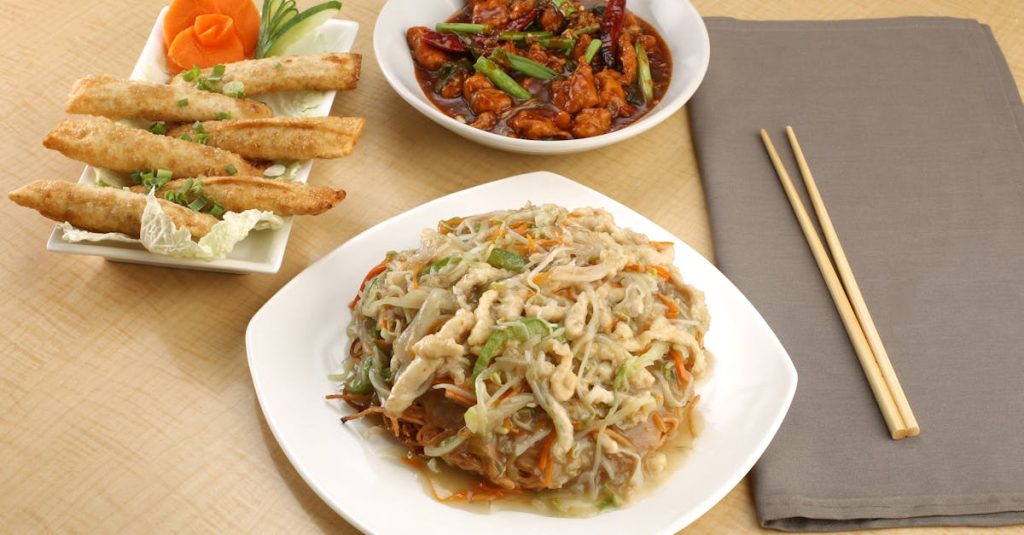
When exploring the rich world of Chinese Food Culture and History, one quickly discovers that Chinese culinary traditions represent far more than nourishing the body. Every dish tells a story, carries centuries of cultural heritage, and reflects the philosophy and values of the civilization that created it. From the fiery spices of Sichuan to the delicate dim sum of Cantonese cuisine, Chinese Food Culture and History offers an unparalleled journey through flavor, technique, and tradition that has captivated food lovers worldwide for thousands of years.
Historical Roots and Cultural Significance
The history of Chinese Food Culture and History stretches back thousands of years, evolving through dynasties that each contributed their own innovations to the culinary landscape. Ancient Chinese philosophers recognized the connection between food and health, developing concepts like yin and yang foods and the medicinal properties of ingredients that remain relevant today in both traditional and modern contexts.
During the Han Dynasty, trade routes opened that introduced new ingredients and cooking methods from distant lands. The Silk Road brought spices, techniques, and culinary ideas that enriched Chinese cuisine immeasurably. Court kitchens employed armies of specialized cooks, creating unprecedented levels of culinary sophistication that influenced cooking throughout Asia and eventually the world.
The Tang Dynasty represents the golden age of Chinese culinary arts. Poetry and literature from the period describe elaborate banquets featuring hundreds of dishes, each prepared with meticulous attention to flavor, presentation, and nutritional value. Recipes from this era demonstrate a refined palate and understanding of taste combinations that continues to influence modern Chinese cooking and gastronomy worldwide.
Regional Variations and Local Traditions
China’s vast geography and diverse climate have produced distinct regional cuisines, each with its own character and specialties that reflect local conditions, ingredients, and cultural preferences. Northern Chinese cuisine favors wheat-based foods like noodles and dumplings, while southern cuisine emphasizes rice dishes and fresh vegetables. The eastern coast is known for its exceptional seafood, and the western provinces are famous for their bold, spicy flavors.
Climate plays a crucial role in shaping regional eating habits across China. In cold northern regions, people consume more hearty grains and preserved vegetables to sustain them through harsh winters. In the humid south, lighter dishes with fresh ingredients dominate, reflecting the abundance of local produce and the need to stay cool in warm weather throughout the year.
These regional differences have given rise to the eight great culinary traditions of Chinese cuisine, each with distinctive characteristics that make Chinese food one of the most diverse and sophisticated culinary heritages in the world. Understanding these regional variations enhances appreciation for the complexity and artistry of Chinese Food Culture and History.
Techniques and Preparation Methods
Mastery of Chinese Food Culture and History requires understanding fundamental cooking techniques that form the foundation of Chinese cuisine. Wok cooking, or stir-frying, revolutionized food preparation by allowing rapid cooking at high temperatures that preserved nutrients and created distinctive flavors. Steaming, another ancient technique, maintains the natural taste and texture of ingredients while keeping them moist and tender.
Braising and slow cooking transform tough cuts of meat into succulent dishes through patient application of heat and carefully balanced seasonings. Fermentation, used for thousands of years, creates complex flavors in ingredients like soy sauce, vinegar, and preserved vegetables that define Chinese taste profiles and contribute to the unique character of Chinese Food Culture and History.
These techniques require years of practice to master, but understanding them allows home cooks to create authentic Chinese dishes that honor traditional methods while adapting to modern kitchens and available ingredients. The philosophy behind these techniques emphasizes balance, harmony, and respect for ingredients.
Modern Influence and Global Spread
Today, Chinese Food Culture and History has achieved worldwide recognition, with Chinese restaurants found in virtually every country on Earth. This global popularity has raised questions about authenticity and cultural representation, with diaspora communities working to preserve traditional methods while adapting to local ingredients and tastes.
Young Chinese chefs are reimagining traditional dishes, applying modern techniques and presentation styles while respecting culinary heritage. Food tourism has emerged as a significant phenomenon, with travelers specifically seeking out authentic Chinese Food Culture and History experiences as part of their journeys through China.
Health Benefits and Nutritional Value
Traditional Chinese cuisine emphasizes balance, incorporating foods from all five taste categories and considering the medicinal properties of ingredients. Modern nutritional science has validated many ancient beliefs about the health benefits of Chinese cooking methods and ingredient choices.
Studies have shown that regular consumption of traditional Chinese foods correlates with various health benefits, including improved digestion, better cardiovascular health, and stronger immune function. The emphasis on vegetables, lean proteins, and whole grains in many traditional dishes aligns with contemporary nutritional recommendations.
Conclusion
Chinese Food Culture and History represents one of the world’s greatest culinary traditions, offering insights into Chinese history, philosophy, and daily life through the universal language of food. Whether you are a seasoned enthusiast or new to Chinese cuisine, exploring these traditions provides rewards that extend far beyond the dinner table.
This comprehensive exploration of Chinese Food Culture and History provides readers with detailed information, historical context, and practical guidance for understanding and appreciation. The depth of coverage ensures that readers at all levels can gain valuable insights into this important cultural topic.