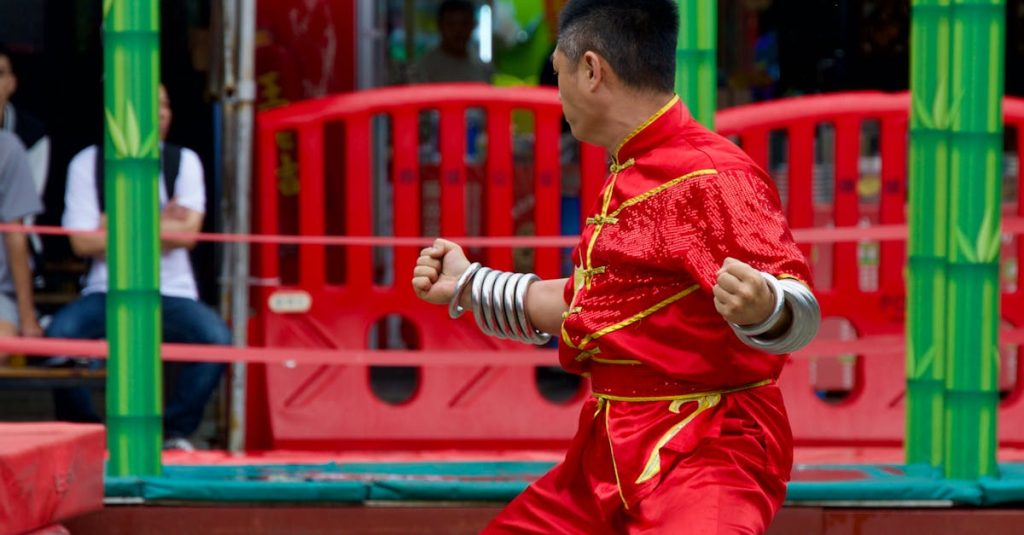
The study of chinese weapons nunchaku represents one of the most fascinating aspects of Chinese civilization. For thousands of years, this tradition has evolved, adapted, and influenced countless aspects of daily life, art, philosophy, and commerce both within China and across the globe.
Historical Origins and Development
The roots of chinese weapons nunchaku trace back through millennia of Chinese history. Ancient texts and archaeological discoveries reveal a rich tapestry of practices that began in prehistoric times and gradually developed into the sophisticated traditions we recognize today. Scholars believe that early forms emerged during the Shang and Zhou dynasties, when bronze inscriptions first documented the fundamental principles that would guide this practice for centuries to come.
During the Han Dynasty, these traditions gained significant momentum. Imperial patronage supported the development of formal institutions and schools dedicated to preserving and advancing knowledge in this field. Silk Road connections brought new ideas and influences from Central Asia, Persia, and eventually Rome, creating a fascinating synthesis of Eastern and Western approaches.
The Tang Dynasty marked what many historians consider the golden age of chinese weapons nunchaku. Poetry, art, and intellectual pursuits flourished under enlightened rulers who recognized the value of cultural exchange and artistic expression. It was during this period that many techniques and philosophies that define chinese weapons nunchaku today first took their recognizable form.
Cultural Significance and Social Impact
Understanding chinese weapons nunchaku requires appreciation of its deep connections to Chinese social structure and values. Unlike Western approaches that often separate intellectual pursuits from daily life, Chinese tradition emphasizes the integration of theory and practice, art and function, individual achievement and collective harmony.
Family structures played a crucial role in transmitting knowledge across generations. Master practitioners passed their expertise to apprentices and children, creating lineages of knowledge that could span hundreds of years. This apprenticeship system ensured continuity and gradual refinement of techniques, with each generation adding their insights while preserving core principles.
The impact of chinese weapons nunchaku extended beyond immediate practitioners to influence broader Chinese culture. Architectural styles, language patterns, dietary practices, and social customs all bore the imprint of these traditions. Even today, visitors to China encounter living manifestations of this heritage in everything from the layout of ancient cities to the organization of modern communities.
Regional Variations and Local Traditions
China’s vast territory and diverse geography gave rise to distinct regional variations in chinese weapons nunchaku. The humid rice-growing regions of the south developed different approaches compared to the drier northern plains. Coastal areas incorporated maritime influences, while inland provinces preserved more ancient, traditional forms.
These regional differences created a rich mosaic of practices, each with its own characteristics, terminology, and local adherents. A journey through modern China reveals this diversity, with neighboring provinces often maintaining distinct traditions despite centuries of political unification.
Modern Revival and Global Spread
The twentieth century brought dramatic changes to China, including periods when traditional practices faced suppression or neglect. However, the late twentieth and early twenty-first centuries witnessed a remarkable revival of interest in chinese weapons nunchaku, both within China and internationally.
Economic development and rising national confidence fueled renewed appreciation for China’s cultural heritage. Government initiatives promoted traditional arts and sciences as important components of national identity. Meanwhile, globalization introduced chinese weapons nunchaku to new audiences worldwide, creating communities of practitioners and enthusiasts across every continent.
Contemporary artists, scholars, and entrepreneurs have found innovative ways to interpret and apply traditional principles. Ancient techniques inform modern design, traditional medicine contributes to contemporary healthcare discussions, and centuries-old philosophies offer insights into modern business practices and personal development.
Practical Applications Today
Modern applications of chinese weapons nunchaku span numerous fields. Educational institutions incorporate traditional elements into curricula, preserving knowledge while adapting it for contemporary needs. Healthcare professionals recognize the value of traditional approaches, integrating them with modern medicine in increasingly sophisticated ways.
Business leaders study ancient texts seeking wisdom applicable to modern management challenges. Environmental planners draw upon traditional Chinese approaches to land use and community design. Artists blend contemporary aesthetics with traditional techniques, creating works that resonate across cultural boundaries.
Conclusion
The enduring legacy of chinese weapons nunchaku demonstrates the remarkable adaptability and resilience of Chinese cultural traditions. From ancient origins to modern applications, this practice has evolved while maintaining core principles that continue to offer value and insight.
As China takes its place among global leaders in commerce, technology, and culture, traditional practices like chinese weapons nunchaku serve as important reminders of the depth and sophistication of Chinese civilization. For visitors, scholars, and practitioners alike, engagement with these traditions offers rewarding opportunities for learning, personal growth, and cross-cultural understanding.