Why Beijing Should Be Your Next Travel Destination
Beijing, the capital city of China, stands as one of the world’s most captivating travel destinations, blending millennia of imperial history with the pulse of a modern metropolis. This comprehensive Beijing travel guide takes you through the city’s most iconic attractions, from the sprawling grandeur of the Forbidden City to the ancient majesty of the Great Wall, offering practical insights for planning an unforgettable journey to this extraordinary destination that should grace every traveler’s bucket list.
Beijing travel offers an experience unlike any other city on the planet. The city serves as China’s political, cultural, and educational center, home to over 21 million residents within its vast metropolitan boundaries. For international visitors, Beijing represents the perfect introduction to Chinese civilization, showcasing architectural wonders that span from the Yuan Dynasty to the contemporary Olympic era. The city’s attractions cater to every type of traveler, making it an ideal destination whether you are a history enthusiast, art lover, foodie, or adventure seeker. Regardless of your interests, this Beijing travel guide will help you discover the experiences that matter most for your visit.
The Forbidden City: Imperial Grandeur Unveiled
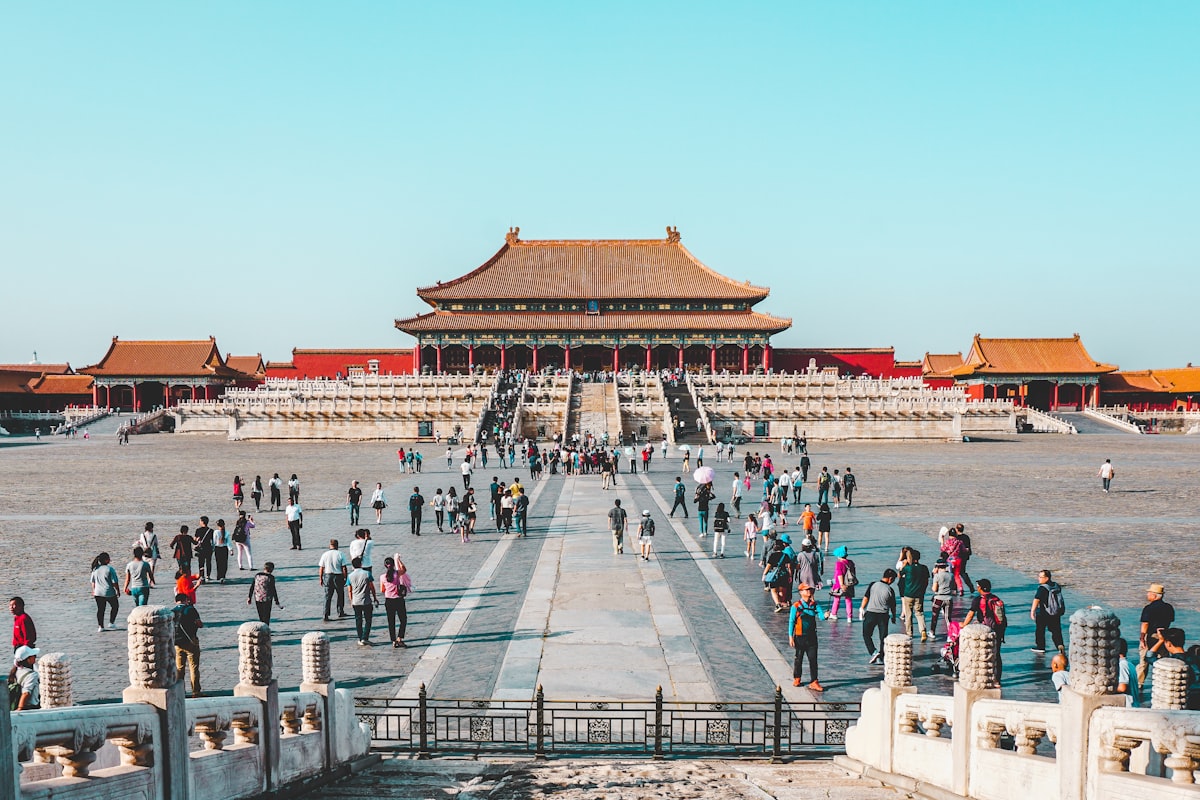
No Beijing travel guide would be complete without an in-depth exploration of the Forbidden City, known locally as Zijin Cheng or the Purple Forbidden City. This sprawling palace complex represents the pinnacle of traditional Chinese architecture and served as the imperial residence for Emperors of the Ming and Qing dynasties from 1420 to 1912, making it one of the most historically significant sites in all of China. The Forbidden City encompasses 180 acres of meticulously preserved architecture, featuring 980 buildings and over 8,700 rooms, making it the largest collection of preserved wooden structures in the world.
The palace divides into two main sections: the Outer Court, where emperors conducted state affairs, and the Inner Court, which served as their private residence. Key areas within the Outer Court include the Meridian Gate (Wu Men), the largest gate of the Forbidden City and your primary entrance point, the Gate of Supreme Harmony (Taihe Men), and the Hall of Supreme Harmony (Taihe Dian), where emperors presided over grand ceremonies that solidified their divine authority over the empire. Within the Inner Court, visitors discover the Palace of Heavenly Purity (Qianqing Gong), the Hall of Union and Peace (Jiaotai Dian), and the Imperial Garden, a serene space featuring ancient cypress trees and elegant pavilions that provided the royal family with respite from court duties.
Opening Hours: 8:30 AM to 5:00 PM during summer (April 1 – October 31) and 8:30 AM to 4:30 PM during winter (November 1 – March 31). The complex is closed on Mondays, except during public holidays when millions of domestic tourists flock to this national treasure.
Ticket Information: Admission costs 60 yuan during peak season and 40 yuan during off-season. Visitors should book tickets in advance through the official website or third-party platforms, as the complex has implemented daily visitor limits to preserve the heritage site for future generations.
Accessibility: The Forbidden City offers wheelchair rental services and accessible routes for visitors with mobility challenges. Audio guides in multiple languages are available at the entrance for 40 yuan, providing detailed commentary on the palace’s history and significance.
The Great Wall: Ancient Engineering Marvel
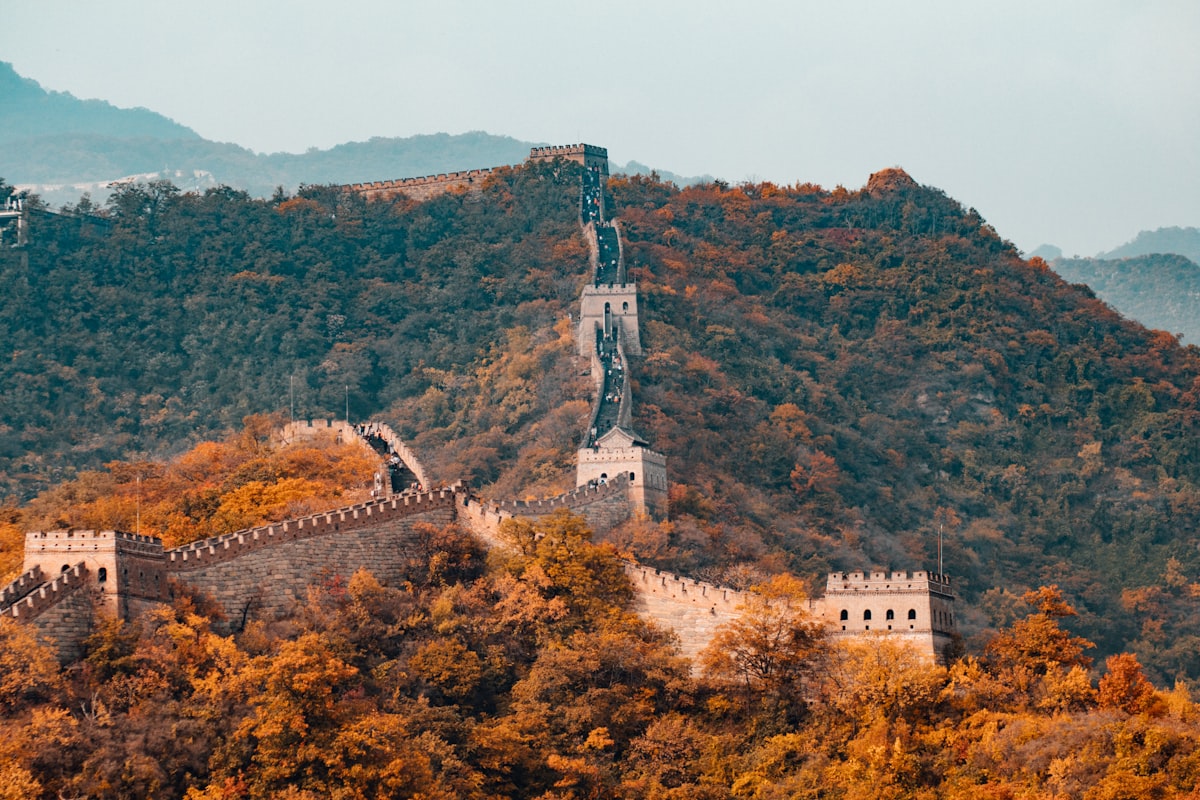
A Beijing travel guide cannot overlook the Great Wall, one of the most impressive human constructions in history and a testament to the ambition and engineering prowess of ancient China. This UNESCO World Heritage site stretches over 13,000 miles across northern China, though the most accessible sections for day trips from Beijing include Badaling, Mutianyu, Simatai, and Jinshanling. The Great Wall’s history spans over 2,000 years, with the first walls built during the Warring States period and subsequent dynasties adding to and reinforcing the fortifications until the Ming Dynasty.
Badaling: The most famous and most crowded section, located 43 miles north of Beijing. This stretch offers excellent infrastructure, including cable cars and escalators, making it ideal for visitors with limited time or mobility concerns. However, expect significant crowds during peak season and Chinese holidays when domestic tourism reaches its annual peaks. The Badaling section is also the most accessible by public transportation, with regular buses departing from Deshengmen Gate.
Mutianyu: This section provides a more balanced experience, combining restored wall with fewer tourists. The Mutianyu section features unique watchtower designs and offers toboggan rides down the mountain for those seeking a fun descent after exploring the fortifications. It ranks among the best-preserved sections available to visitors and is surrounded by beautiful scenery, making it popular among photographers and nature lovers who appreciate both the historical significance and natural beauty of the area.
Simatai: For travelers seeking adventure and fewer crowds, Simatai offers a more rugged experience. This section retains much of its original character and allows night visits during certain seasons, when the wall illuminates spectacularly against the dark mountain scenery creating a truly magical atmosphere. The Simatai section is more challenging to hike, with steeper paths and fewer facilities, but rewards visitors with breathtaking views and a sense of authentic history that many other sections have lost.
Best Time to Visit: Spring (April to May) and autumn (September to October) offer the most comfortable temperatures and beautiful scenery with autumn bringing spectacular fall foliage. Summer brings heat and crowds, while winter transforms the wall into a snow-covered wonderland, though temperatures can plunge below freezing and some sections may close due to icy conditions.
Transportation: Several tour operators offer day trips from Beijing with convenient hotel pickup, or you can take public buses from Deshengmen Gate for a more budget-friendly option. For more flexibility and personalized timing, consider hiring a private driver through your hotel or using a rideshare app like Didi.
Temple of Heaven: Spiritual Architecture of the Ming Dynasty
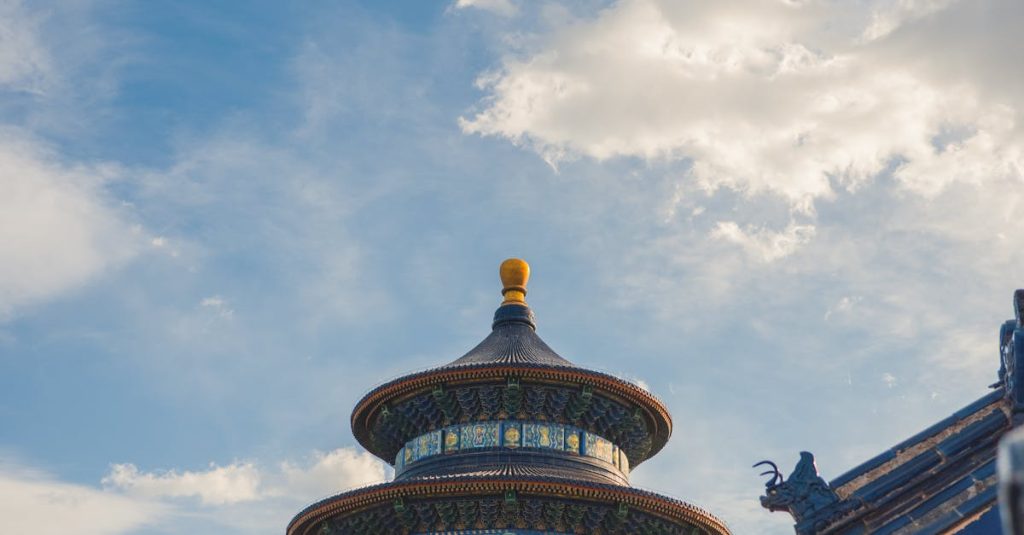
The Temple of Heaven (Tiantan) represents another essential Beijing attraction, constructed during the Ming Dynasty in 1420 as a sacred venue for imperial worship ceremonies that connected the emperor with heaven and divine forces. This complex covers 273 acres and showcases remarkable architectural symbolism, with circular buildings representing heaven and square structures symbolizing earth, reflecting the ancient Chinese cosmological beliefs that governed imperial governance. The Hall of Prayer for Good Harvests (Qiniang Dian) stands as the complex’s most iconic structure, featuring a triple-gabled roof covered in golden glazed tiles and supported by 28 massive timber columns, creating an interior space that inspires awe in visitors even today.
The Circular Mound Altar (Yuanqiutan) demonstrates remarkable acoustic properties, with visitors able to hear their own echoes when speaking softly at the center stone, a testament to the sophisticated engineering knowledge possessed by ancient Chinese architects. The Imperial Vault of Heaven features a dome-shaped ceiling decorated with dragon and phoenix motifs, surrounded by a smooth wall that creates a unique whispering gallery effect that allows conversations to travel surprising distances. The park surrounding the temple complex comes alive in the early morning hours with local residents practicing tai chi, traditional calligraphy, and ballroom dancing in a display of contemporary Chinese culture that connects past and present.
Opening Hours: 6:00 AM to 10:00 PM daily, with ticket sales until 9:00 PM. The complex is less crowded during weekday mornings when local seniors dominate the park spaces engaged in their traditional morning exercises and social gatherings.
Tickets: Combined entry tickets cost 34 yuan, or visitors can purchase individual tickets for specific areas if time is limited. Morning visits before 9 AM offer the best experience of local culture with minimal tourist crowds.
Getting There: The Temple of Heaven South Gate (Tiantan Nanmen) station on Subway Line 5 provides convenient access, making it an easy addition to any Beijing itinerary regardless of your other planned activities.
Modern Beijing: Contemporary Attractions and Experiences
Beijing’s modern identity complements its historical heritage beautifully, offering visitors a complete picture of China’s past, present, and future. The 2008 Olympic venues, including the iconic Bird’s Nest (China National Stadium) and the Water Cube (National Aquatics Center), continue hosting major sporting events and concerts while serving as museums that showcase the remarkable achievements of the Beijing Olympics. The Olympic Park surrounding these structures offers pleasant evening walks with illuminated fountains and gardens that come alive with color after sunset.
The 798 Art District represents another facet of contemporary Beijing, transformed from a former military factory complex into the city’s premier contemporary art destination where emerging artists display their work alongside established names. Galleries, studios, boutique shops, and trendy cafes occupy distinctive Bauhaus-inspired buildings, creating a unique atmosphere that attracts art enthusiasts and curious visitors alike. The area hosts regular exhibitions and events, making each visit potentially different from the last.
Wangfujing and Sanlitun shopping districts represent Beijing’s retail evolution, from traditional department stores and souvenir shops to international luxury brands and boutique designer stores. These districts offer world-class shopping experiences alongside diverse dining options that cater to every taste and budget, making them essential destinations for visitors seeking modern Beijing experiences.
Where to Stay: Beijing Accommodation Options
Beijing offers accommodation options spanning every budget and style preference, from budget hostels in traditional hutong courtyards to world-class luxury hotels that have hosted heads of state and celebrities from around the globe. For first-time visitors, areas like Dongcheng (near the Forbidden City and Tiananmen Square), Chaoyang (near the CBD and embassy district), and Xicheng provide convenient access to major attractions while offering authentic neighborhood experiences that immerse visitors in local culture.
Luxury Hotels: The Peninsula Beijing, The Ritz-Carlton Beijing, and Waldorf Astoria Beijing offer exceptional service and prime locations with facilities that rival the finest hotels anywhere in the world. Many luxury hotels occupy historic buildings or compounds, providing unique cultural experiences that combine modern comfort with traditional Chinese aesthetics.
Mid-Range Options: The Opposite House, The Upper House, and numerous international chain properties like Marriott, Hilton, and Hyatt provide comfortable accommodations at moderate price points with reliable international standards of service and amenities.
Budget Accommodations: Hostels and budget hotels in the hutong areas provide authentic experiences at affordable prices. Many hostels organize group activities and tours, making them excellent options for solo travelers and backpackers seeking to meet fellow visitors from around the world.
Navigating Beijing: Transportation and Logistics
Beijing’s extensive subway system provides the most efficient way to navigate the city, with English signage at major stations and affordable fares that make exploring the city economical and convenient. The metro operates from 5:00 AM to 11:00 PM, covering most major tourist attractions and neighborhoods with connections that can take you anywhere in the city.
From the Airport: Beijing Capital International Airport (PEK) and Beijing Daxing International Airport (PKX) both connect to the city via Airport Express trains, buses, and taxis that operate around the clock. Daxing’s modern terminal, designed by architect Zaha Hadid, has won numerous design awards and provides efficient processing for arriving passengers.
Getting Around: Purchase a Transportation Card (Yikatong) at any subway station for convenient fare payment and discounted rides on subways, buses, and some taxis. Taxis are abundant and relatively inexpensive, with flag fall rates starting at 13 yuan.
Frequently Asked Questions
Q: What is the best time to visit Beijing?
A: The best times are spring (April-May) and autumn (September-October) for comfortable weather and fewer crowds. Summer can be hot and humid, while winter offers cold temperatures but fewer tourists at major attractions.
Q: How many days do I need in Beijing?
A: A minimum of 3-4 days is recommended to see the major attractions including the Forbidden City, Great Wall, and Temple of Heaven. Allow 5-7 days for a more relaxed pace with additional attractions.
Q: Is Beijing expensive for tourists?
A: Beijing can suit various budgets. Attractions like the Great Wall and temples are reasonably priced, while luxury dining and accommodation can be expensive. Street food and public transportation offer affordable options.