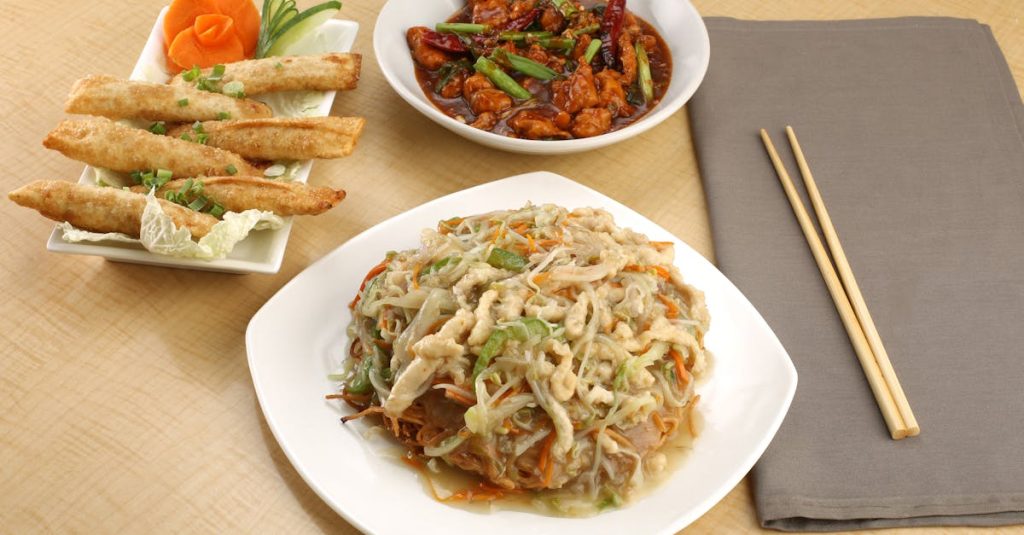
Kung Pao Chicken, known as “Gong Bao Ji Ding” in Chinese, stands as one of the most internationally recognized Sichuan dishes. This flavorful stir-fry combines tender chicken pieces with crunchy peanuts, dried red chilies, and Sichuan peppercorns in a savory-sweet sauce that perfectly exemplifies the essence of Sichuan cuisine.
## The Origin and History of Kung Pao Chicken
The origins of Kung Pao Chicken can be traced back to the Qing Dynasty, where it was reportedly created for Ding Baozhen, a governor of Sichuan Province. The dish was originally named after this official and was a favorite in his household. The name “Gong Bao” is actually an official title referring to the palace guardian, which was the rank held by Ding Baozhen.
The traditional recipe has been passed down through generations, with each chef adding their own subtle variations while maintaining the core elements that make this dish so beloved. What began as a provincial specialty has evolved into a global phenomenon served in Chinese restaurants worldwide.
## Key Ingredients in Authentic Kung Pao Chicken
The success of Kung Pao Chicken lies in the careful balance of its ingredients:
**Chicken**: Traditionally made with deboned chicken thighs cut into bite-sized cubes, ensuring tenderness and ability to absorb the sauce.
**Dried Red Chilies**: Usually 20-30 small dried chilies are used, providing the signature spicy heat. In traditional preparation, these should be toasted until darkened but not burnt.
**Sichuan Peppercorns**: A small handful of these magical spices creates the distinctive “ma” (numbing) sensation that is characteristic of Sichuan cuisine.
**Peanuts**: Freshly roasted peanuts or peanut halves add crunch and nutty flavor, contrasting beautifully with the tender chicken.
**Sichuan Xiaohong (Chili Bean Paste)**: This fermented paste made from broad beans and red chilies provides depth and umami.
**Rice Vinegar and Sugar**: The sweet and sour balance that ties all flavors together.
## The Art of Perfect Kung Pao Chicken
Creating authentic Kung Pao Chicken requires technique and timing. The wok must be properly heated, and the cooking process completed in mere minutes to ensure the chicken remains juicy while achieving the characteristic charred wok hei (breath of the wok) flavor.
The sequence matters critically: first toast the dried chilies and Sichuan peppercorns in hot oil until fragrant, then add the chicken and stir-fry until sealed on the outside. The sauce is added last, allowing it to caramelize around the chicken pieces while the peanuts are folded in just before serving to maintain their crunch.
## Variations Across China
While the classic recipe remains popular, regional variations exist. Some versions add vegetables like zucchini or bell peppers, while others increase the numbing sensation with additional peppercorns. In Western adaptations, the dish is often made less spicy to suit local palates.
## Nutritional Benefits
Kung Pao Chicken offers a relatively balanced nutritional profile when prepared traditionally. Chicken provides lean protein, peanuts contribute healthy fats and minerals, and the spicy ingredients may boost metabolism. The dish is typically served with rice, making for a complete meal when combined.
## How to Enjoy Kung Pao Chicken
In China, Kung Pao Chicken is commonly found in restaurants ranging from humble street eateries to upscale establishments. It is typically served family-style, meant to be shared among diners alongside other dishes. The combination of tender chicken, crispy peanuts, and the numbing-spicy sauce makes every bite an exciting experience.
## Cooking Tips for Home Chefs
To recreate this Sichuan classic at home, ensure your wok is smoking hot before adding ingredients. Use fresh, quality Sichuan peppercorns for the best numbing effect. Don’t overcrowd the wok, as this lowers the temperature and results in steamed rather than stir-fried chicken. Finally, have all ingredients prepped and ready before you begin cooking, as the process is extremely quick.
Kung Pao Chicken’s enduring popularity stems from its perfect balance of flavors, textures, and the culinary artistry inherent in its preparation. This dish represents the soul of Sichuan cuisine – bold, complex, and utterly unforgettable.
This is Part 47 of our comprehensive guide to Kung Pao chicken, Gong Bao, Sichuan dish, Chinese recipe. Stay tuned for more detailed information.