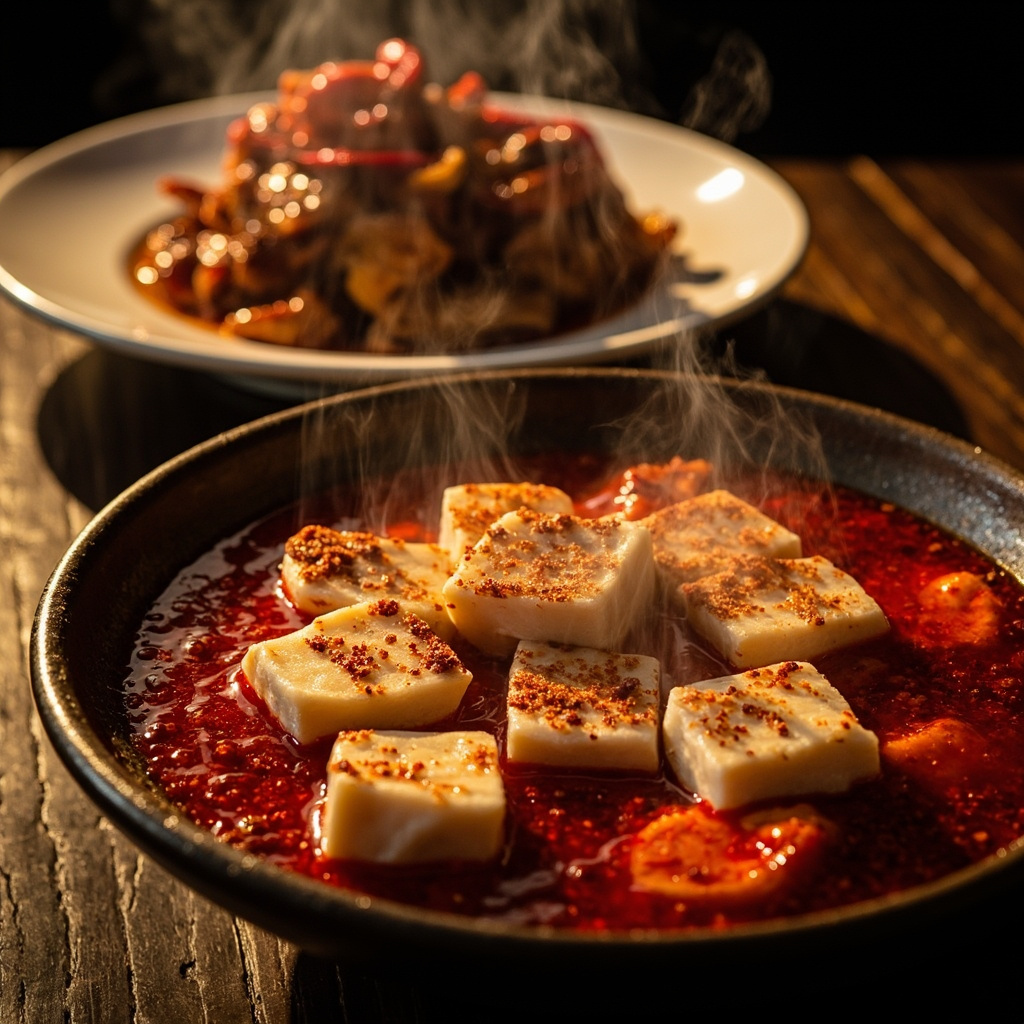
Sichuan cuisine, also known as Szechuan cuisine, is one of the most influential regional cuisines in China, renowned for its bold, numbing, and spicy flavors. Originating from Sichuan Province in western China, this culinary tradition has captivated food lovers around the world with its distinctive taste profile characterized by the famous “seven flavors” of Sichuan cuisine.
## The History and Origins of Sichuan Cuisine
Sichuan cuisine boasts a history spanning over two thousand years, developing its unique characteristics during the Tang and Song Dynasties when Sichuan was known as the “Land of Abundance.” The region’s humid climate influenced the development of preservation techniques and the use of pungent spices to combat the dampness.
The famous Sichuan peppercorn, known as “hua jiao” in Chinese, gives Sichuan cuisine its signature numbing sensation that sets it apart from other Chinese regional cuisines. This unique spice creates a tingling, almost electric feeling on the tongue that harmonizes perfectly with the heat from dried chilies.
## Key Characteristics of Sichuan Cooking
Sichuan chefs are masters of their craft, employing a wide range of cooking techniques including steaming, braising, frying, and the famous “dry wok” method called “chao gan.” The cuisine is celebrated for its ability to balance seven fundamental flavors: spicy, numb, salty, sweet, bitter, sour, and savory.
## Must-Try Sichuan Dishes
Some iconic Sichuan dishes that have gained international fame include:
– **Mapo Tofu**: Silken tofu in a spicy, numbing sauce with minced pork
– **Kung Pao Chicken**: Diced chicken with peanuts, chilies, and Sichuan peppercorn
– **Twice-Cooked Pork**: Sliced pork belly first boiled, then stir-fried with leeks and doubanjiang
– **Water-Boiled Fish**: Fresh fish in a fiery broth with Sichuan peppercorns
– **Dan Dan Noodles**: Noodles in a spicy sesame sauce with minced pork
– **Chengdu Hot Pot**: A communal dining experience featuring a bubbling, spicy broth
## The Art of Sichuan Pepper
The Sichuan peppercorn is not actually a pepper but the dried berry of the prickly ash tree. Its essential oil creates that distinctive “ma” (numbing) sensation that distinguishes Sichuan cuisine. Quality Sichuan pepper should have a strong aroma and cause a pronounced tingling effect on the lips and tongue.
## Cooking Techniques in Sichuan Cuisine
Sichuan cooks employ 48 cooking methods, with stir-frying, steaming, and braising being the most common. The “seven sui” technique involves using seven different ingredients and seven different cooking methods to create layered flavors in a single dish.
## Health Benefits of Sichuan Cuisine
Despite its reputation for being spicy, Sichuan cuisine can actually have health benefits. Sichuan peppercorns have been used in traditional Chinese medicine to aid digestion, relieve pain, and improve circulation. The generous use of garlic and ginger in Sichuan cooking also provides anti-inflammatory and immune-boosting properties.
## Experiencing Authentic Sichuan Cuisine Today
Today, Sichuan cuisine continues to evolve while maintaining its traditional roots. Restaurants across China and worldwide serve authentic Sichuan dishes, from street food stalls offering dan dan noodles to high-end establishments presenting elaborate banquet dishes. The cuisine’s accessibility and bold flavors ensure its enduring popularity among food enthusiasts of all backgrounds.
Whether you’re sampling spicy hot pot in Chengdu or enjoying kung pao chicken at your local Chinese restaurant, Sichuan cuisine offers an unforgettable culinary adventure that engages all the senses with its perfect balance of heat, numbing, and complex flavors.
This is Part 10 of our comprehensive guide to Sichuan cuisine, Chinese food, spicy food, Sichuan pepper. Stay tuned for more detailed information.