I’ll be honest. When I first booked my trip to Henan province, I planned exactly what most travelers do. I’d fly into Zhengzhou, hit Luoyang for the Longmen Grottoes, maybe squeeze in Shaolin Temple, and then head back. It’s the classic “Three Kingdoms and Buddhism” loop. It’s efficient. It’s safe. It’s also, frankly, boring.
You miss the soul of China if you stick to the well-worn tracks. The real magic isn’t always in the massive statues or the ancient tombs. Sometimes, it’s in the smell of cumin lamb skewers and the sound of clinking porcelain plates in a city that hasn’t changed its address in a thousand years.
I’m talking about Kaifeng. And specifically, I’m talking about how most people get the trip backwards. They treat Kaifeng as an afterthought. Don’t do that. Treat it as the destination.
The Luoyang Mistake
Here’s the thing about Luoyang. It’s spectacular. I love Luoyang. The Longmen Grottoes are a humbling experience that will make you feel tiny in the best way possible. But it’s also crowded. Insanely crowded. Especially on weekends.
Most itineraries put Luoyang first because it’s closer to the high-speed rail hub in Zhengzhou. You get off the train, you see the Buddha faces, you check the box, and you leave. It feels like a museum visit, not a cultural immersion.
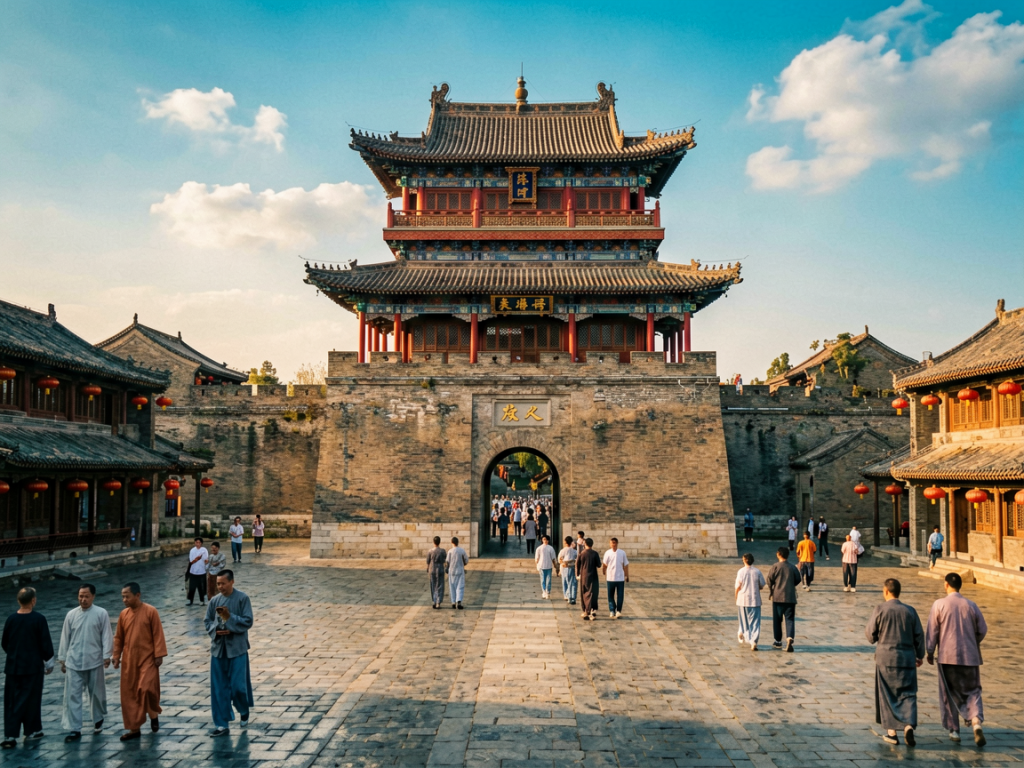
Kaifeng, on the other hand, is different. It’s quieter in the daytime, yes. But once the sun goes down, it wakes up. It becomes a time capsule of the Song Dynasty, but alive. Breathing. Eating. Drinking.
If you come from Luoyang to Kaifeng, you’re not just moving cities. You’re moving from stone to street. From silence to song. From history books to hot pots.
Take the train. It takes forty minutes. Seriously. You can’t even finish scrolling through your phone before you’re there. That convenience shouldn’t be ignored. It makes Kaifeng accessible in a way that many other historical sites aren’t.
Iron Pagodas and Fake Antiques
When you arrive in Kaifeng, your first stop should be the Iron Pagoda. Don’t let the name fool you. It’s not made of iron. It’s made of glazed tiles in a dark brownish hue that looks like rusted metal from a distance. Hence the name.
I stood at the base of it last November. It’s nearly a thousand years old. Built during the Northern Song Dynasty. It survived floods, wars, and earthquakes. The fact that it’s still standing is enough to make any historian weep with joy.
But here’s where my opinion might rub some purists the wrong way. Kaifeng is famous for its antique market. And a lot of it? It’s fake. Like, really fake. You’ll find “antique” jade that’s been dyed in a factory and “ancient” calligraphy that looks like it was printed yesterday.
Am I disappointed? Not really. I actually prefer it this way. Why? Because you can buy a “fake” antique for fifty yuan and carry it home without guilt. It’s not about the material value. It’s about the vibe.
I bought a small, slightly chipped ceramic bowl that claimed to be from the Qing Dynasty. It probably wasn’t. But holding it felt like holding a piece of theater. The shopkeeper, an older man with kind eyes, laughed when I asked for the price down. He said, “For you? Just for fun.”
That’s the Kaifeng spirit. It’s not about being serious. It’s about enjoying the performance of history.
After visiting the pagoda, walk around the park nearby. Locals play chess, practice tai chi, and sing opera. It’s not staged for tourists. It’s just their Tuesday afternoon. Watch them. Listen to the low, rhythmic chanting. It’s hauntingly beautiful.
The Night Market That Never Sleeps
Now, let’s talk about food. This is why I recommend flipping the script on your itinerary.
The Gulou Night Market is legendary. It’s been operating for over a thousand years. Yes, really. The tradition dates back to the Song Dynasty when curfews were lifted for merchants.
I went there on a Friday night. It was packed. Shoulders brushing, steam rising from every stall, the air thick with the scent of roasted chestnuts and chili oil. It’s chaotic. It’s loud. It’s perfect.
My favorite dish? Xiang Su Rou. It’s crispy pork belly. Thin slices, fried until they shatter when you bite them, then tossed in sugar and spices. I ate three servings. I didn’t regret a single calorie.
You also have to try the soup dumplings. They’re called Tang Bao in Kaifeng. They’re huge. And tricky. If you bite them too fast, you’ll scald your tongue. The broth inside is rich, savory, and hot. Eat them slowly. Blow on them first. It’s a ritual.
I sat on a plastic stool, surrounded by families and couples. A group of students nearby was debating politics while slurping noodles. An elderly couple shared a single plate of fried dough sticks. It felt incredibly human. No filters. No cameras. Just life.
Contrast this with the food courts in major cities like Beijing or Shanghai. Those are clean. Efficient. Expensive. Kaifeng’s market is messy. Cheap. Authentic. You’ll spend maybe twenty dollars for a feast that would cost sixty elsewhere.
And the drinks? Try the local beer, especially if it’s summer. Or stick to hot tea from a thermos. Either way, you’re part of the scene.
Walking the City Walls
If you’re into history, you need to climb the Kaifeng City Wall. It’s not just a wall. It’s a layered history lesson. The current wall is from the Ming Dynasty, but underneath it, you can see remnants of the Song Dynasty walls. And under those, the Han Dynasty foundations.
We rented bikes and rode along the top. The view at sunset is underrated. You see the modern city sprawling out, but you’re standing on earth laid down by emperors.
It’s a great way to digest your food. Literally. I recommend doing this right after dinner at the night market. Walk it off. Enjoy the breeze. Talk about what you saw.
I asked a local guy about the layers. He shrugged and said, “People keep rebuilding. The land remembers everything.” Poetic? Maybe. True? Absolutely.
Why You Should Go Next
I know what you’re thinking. “Is it worth the detour from Luoyang?”
Yes. A thousand times yes.
Luoyang shows you what China was. Kaifeng shows you what China is. It’s the bridge between the imperial past and the casual, food-obsessed present.
Don’t rush it. Spend two days. One for the pagoda and the wall. One for the markets and the food. Book a hotel near the Drum Tower. Wake up early. Walk the streets before the tourists show up. See the city in its quietest hour.
Then, go back out. Eat. Drink. Laugh. Get lost.
China is big. There are plenty of other places to see. But Kaifeng offers a density of culture that’s hard to beat. It’s compact. It’s walkable. It’s friendly.
Next time you plan your Henan trip, start in Kaifeng. Or end there. But don’t skip it. The Song Dynasty didn’t build a capital here for nothing. They built it because it worked. And so will you.