The Night I Drank My Way Through a Henan Wedding
I still remember the sheer panic in my chest during my second year in China. I was seated at table four, a round mahogany monstrosity laden with dishes I couldn’t identify. The air smelled of cumin, chili oil, and something sharp, medicinal, and potent.
My host, a burly man named Old Wang, slammed a small glass of clear liquid in front of me. He grinned, revealing teeth stained slightly yellow from tea. “Drink,” he said. Not a suggestion. A command wrapped in hospitality.
I took a sip. It burned all the way down. My eyes watered instantly. I wanted to gag, but I swallowed because refusing was basically an insult to his family’s honor. That night taught me everything I needed to know about baijiu.
If you’re traveling to China soon, or just trying to understand why your Chinese friend loves this fiery stuff, stick with me. I’m going to break down the two big players: baijiu and huangjiu. One will likely make you cry. The other might actually taste good.
Baijiu: The Soul of Chinese Celebrations
Baijiu is the national spirit of China. You’ve probably heard of it, but maybe you’ve only seen those fancy bottles in movies. Let me tell you, the reality is much wilder. It’s not just alcohol; it’s a social lubricant, a status symbol, and occasionally, a health tonic (according to my grandmother).
The word literally means “white liquor.” Most baijiu is distilled from sorghum, wheat, barley, or rice. But unlike whiskey or vodka, it’s aged in pottery jars or bamboo vessels. This gives it a unique aroma profile that ranges from floral and fruity to cheesy and funky.
There are four main aromatic types, and knowing them will save you a lot of embarrassment. Strong-aroma (Nongxiang) is the most popular. It smells like ripe fruit and flowers. Light-aroma (Qingxiang) is clean and crisp, almost like a high-end vodka but with more character.
Fermented-aroma (Jiangxiang) is the king of baijiu. This is what Moutai is. It’s complex, earthy, and expensive. I once saw a bottle sell for more than my monthly rent. It tastes like soy sauce, dirt, and honey all mixed together. Weird? Yes. Delicious? Absolutely, if you’re used to it.
The biggest mistake foreigners make is treating baijiu like wine. You don’t sip it slowly with cheese. You shoot it. Or you take small sips and hold it in your mouth to let the warmth spread. It’s usually 40% to 60% ABV. That’s strong stuff.
At a banquet, you’ll see people clinking glasses loudly. They shout “Ganbei!” which means “dry cup” or “bottoms up.” Even if you don’t finish the whole shot, you have to pretend to. It’s theater. It’s tradition. And it’s how you build guanxi–relationships.
Huangjiu: The Gentle Giant of the Table
While baijiu gets all the attention, there’s another ancient drink that has been flowing in China for thousands of years. Huangjiu. It translates roughly to “yellow wine,” but calling it wine feels like calling water wet. It’s more complex than that.
Huangjiu is fermented, not distilled. Think of it as the Chinese cousin to sake or sherry. It’s made from glutinous rice, millet, or wheat. The process takes months, sometimes years. The result is a golden, viscous liquid with a rich umami flavor.
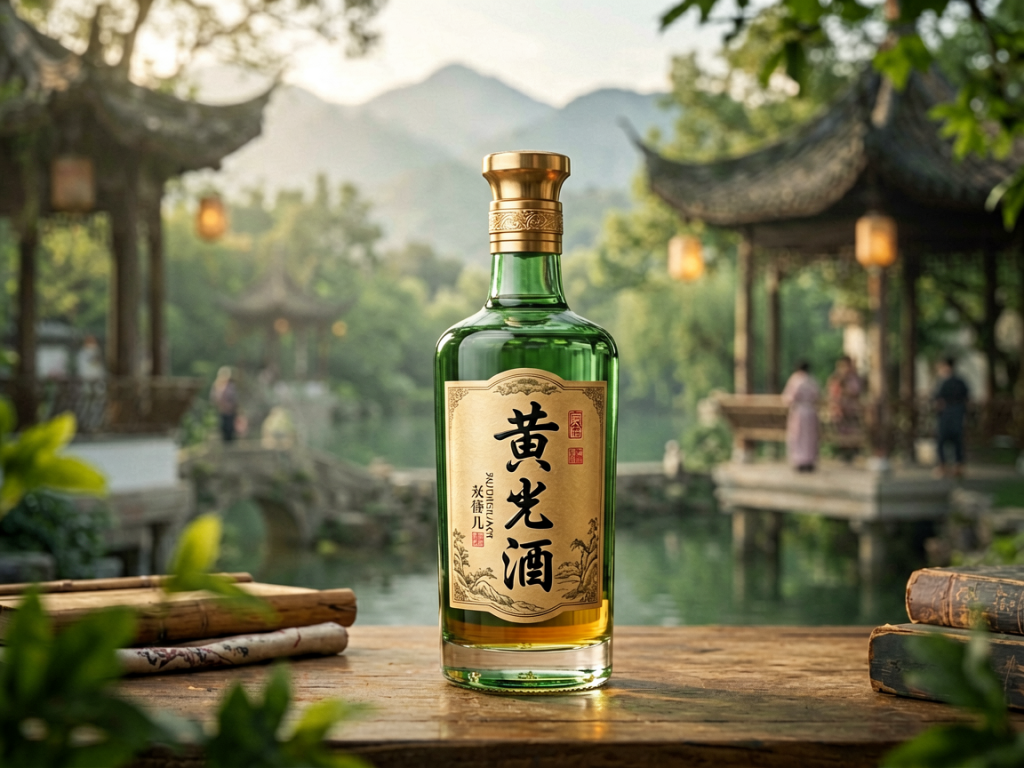
I fell in love with Huangjiu in Hangzhou. I was sitting by West Lake, watching the rain hit the water. A local vendor offered me a cup of Shaoxing wine, the most famous type of Huangjiu. It wasn’t boozy. It was sweet, savory, and incredibly smooth.
Unlike baijiu, Huangjiu isn’t usually shot. It’s served warm, often with ginger slices or preserved plums dropped into the cup. Sometimes, you’ll add a splash of rice wine vinegar or sugar to balance the taste. It’s forgiving. It’s approachable.
You’ll find Huangjiu paired with delicate dishes like drunken chicken, braised pork, or steamed fish. It cuts through the fat and enhances the savory notes of the food. It’s the ultimate foodie’s drink.
The alcohol content is lower, usually between 14% and 20%. So you can actually drink it without feeling like you’re hallucinating. This makes it perfect for long dinners where conversation matters more than getting drunk.
If you’re new to Chinese drinking culture, start here. Huangjiu won’t burn your throat. It will invite you to stay for another hour. And trust me, in China, staying for another hour is the goal.
How to Handle Yourself Without Losing Face
Let’s be real. You’re not going to survive a Chinese banquet if you don’t understand the unwritten rules. It’s not just about what you drink. It’s about how you act while you’re drinking it.
First, never pour your own glass. In a group setting, someone else pours for you. And when it’s your turn, you pour for others. If your glass is empty, fill it immediately. An empty glass is a sad glass, and a sad glass means you’re being ignored.
When clinking glasses, keep your rim lower than your host’s or your elder’s. It’s a sign of respect. I know it feels awkward, like you’re bowing with your glass, but don’t skip it. Old Wang taught me that one, and I haven’t forgotten it.
If you can’t drink baijiu, don’t lie. Just say you have a medical issue or you’re driving. Most hosts will accept this. But if you’re offered Huangjiu, take it. It’s a safe middle ground. It shows you’re willing to participate, even if you can’t handle the firepower.
Another tip: learn to say “Xie xie” (thank you) and “Ganbei” (cheers) clearly. But also learn to compliment the drink. Even if it tastes like medicine to you, say it’s fragrant. Say it’s smooth. Your host will appreciate the effort.
I once saw a tourist refuse a toast because he didn’t like the taste. The room went silent. The host looked hurt. The meal felt heavy after that. Don’t be that guy. Be the guy who smiles, drinks a little, and engages with the people around him.
Food is love in China. Alcohol is the language of that love. Once you speak the language, you’ll unlock a whole new side of the culture. You’ll make friends faster. You’ll eat better. And you’ll have stories to tell for years.
Where to Buy and How to Store
You don’t need to hunt for these drinks in remote villages. Supermarkets in China carry a massive selection of baijiu and Huangjiu. Look for brands like Wuliangye, Luzhou Laojiao, or Guojiao 1573 for baijiu. For Huangjiu, Shaoxing brands like Gui Fu or Zhonghe are reliable.
Baijiu can last forever if stored properly. Keep it upright, away from direct sunlight. Once opened, it’s best consumed within a few months, though some people swear it gets better with age. I’m no expert on aging, but I know it doesn’t spoil easily.
Huangjiu is different. Once you open a bottle, it starts to oxidize. Drink it within a week or two. Keep it in the fridge if you aren’t using it immediately. I’ve made the mistake of leaving a half-empty bottle out, and the next day, it tasted like vinegar. Trust me, you don’t want that.
If you’re bringing these home, check customs regulations. Baijiu has high alcohol content, so there might be limits on how much you can bring back. Huangjiu is easier, but always declare it. Better safe than sorry.
I’ve started keeping a small bottle of Shaoxing wine in my pantry. I use it for cooking, obviously. But I also pour a cup every now and then. It reminds me of those rainy afternoons in Hangzhou. It reminds me that I’m learning to slow down.
Chinese drinking culture isn’t just about getting wasted. It’s about connection. It’s about sharing a moment, a meal, and a drink with someone who cares about you. Whether it’s the fiery kick of baijiu or the mellow warmth of Huangjiu, both drinks tell a story.
So the next time you’re invited to a banquet, don’t hide in the bathroom. Pull up a chair. Accept the glass. Take a sip. And let the conversation flow. You might just find yourself enjoying the burn. Or maybe, just maybe, you’ll find your favorite new drink.
I’m still figuring out my preference. Some days I want the punch of baijiu. Other days, I crave the comfort of Huangjiu. But one thing is for sure: I’m never refusing a toast again. Not unless I want to explain myself to a room full of very nice, very loud uncles.
Cheers, friends. May your glasses always be full and your hangovers short.