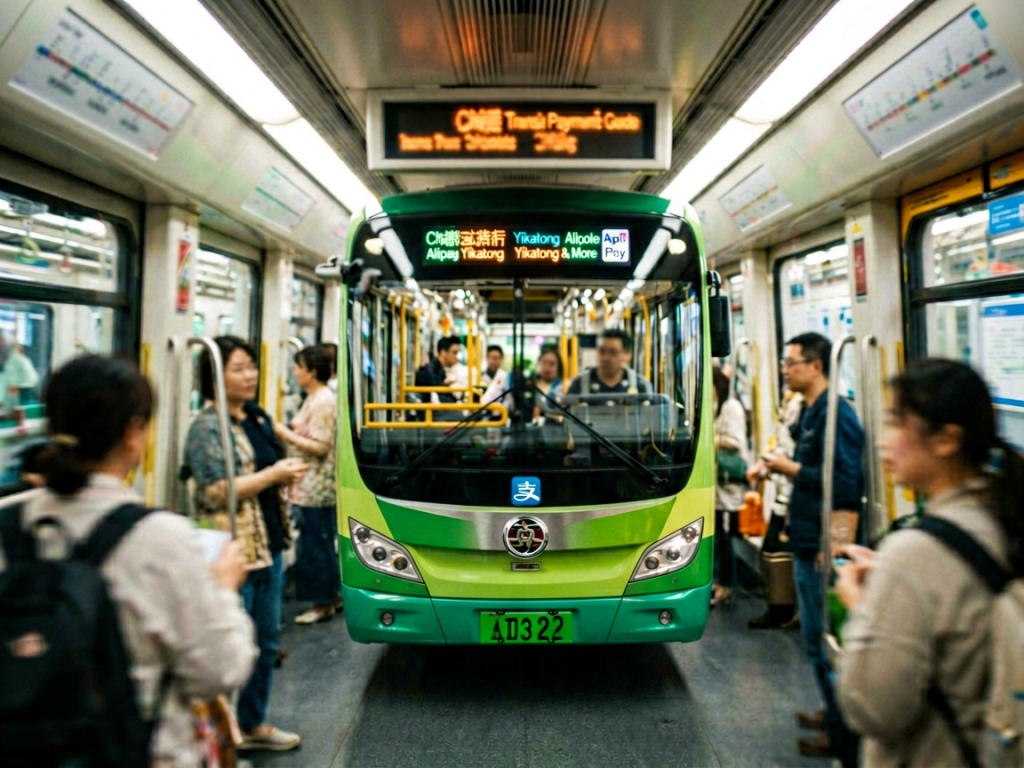
Look, I still remember my first time trying to board the Shanghai Metro in 2016. I stood there, clutching a stack of crumpled yuan notes, watching a sea of people glide through the gates with nothing but a glance at their phone screens. I felt like an outsider in my own adventure. The turnstile stared at me, indifferent to my confusion. That moment stuck with me. It wasn’t just about buying a ticket. It was about understanding a rhythm.
Eight years later, that panic is gone. In fact, I can’t imagine traveling anywhere else where cash feels so obsolete. If you’re planning a trip to China, or maybe you’re already here and feeling lost, you need to know how the payment systems work. It’s not rocket science, but it does have its quirks. Let’s break down exactly how to ride the metro and buses without breaking a sweat.
The Elephant in the Room: Alipay and WeChat
Here’s the thing about China’s transit system. You don’t really buy tickets anymore. Not in the traditional sense anyway. You scan a code. Specifically, the QR codes from either Alipay or WeChat Pay. These two apps are basically the oxygen of daily life here. If you can’t use them, you’re going to have a hard time getting around.
I’m going to focus on Alipay for this guide because it’s generally more foreigner-friendly. WeChat is powerful, sure, but its interface for tourists can be a bit clunky. Alipay has an English version that actually works. When you download it, make sure to verify your identity with your passport. This step is non-negotiable. You won’t be able to access the transit features without a verified account.
Once you’re set up, look for the “Transport” or “Transit” tab on the home screen. It usually looks like a little train or bus icon. Tap it, select the city you’re in, and follow the prompts. It generates a dynamic QR code. You hold this up to the scanner at the gate, beep goes, and you’re in. Simple, right?
The best part? You get discounts. Depending on the city, you might save a few cents per ride or get a percentage off after a certain number of trips. It adds up. I’ve saved enough on metro rides over the years to buy a decent meal or two. Plus, you never have to worry about carrying small change. I used to hate digging through my pockets for coins. Now, I don’t even carry a wallet half the time.
Apple Pay and NFC: A Smooth Alternative
If you’re an iPhone user, you’re in luck. Apple Pay has made significant inroads into China’s transit network. It’s arguably the easiest method for beginners because it doesn’t require you to fiddle with mini-programs inside Alipay. You just tap your phone or watch against the reader.
To set this up, go to your Wallet app and add a new transit card. You’ll see options for major cities like Beijing, Shanghai, Guangzhou, and Shenzhen. Pick the one for the city you’re visiting. Load it up with credit. I usually put in 50 or 100 yuan to start. It’s cheap insurance against running out of funds mid-journey.
The process is seamless. You walk up to the gate, wake your phone, and touch it to the NFC sensor. It feels almost magical how fast it is. There’s no waiting for a page to load or a code to refresh. Just tap and go. I love this feature because it works offline too. If your signal drops in a subway tunnel–which happens often–your NFC pass still works. Alipay codes can sometimes lag if the internet is spotty.
One caveat, though. Not all bus lines support NFC. The metros are pretty consistent, but rural buses or smaller cities might only accept the QR codes. Always have a backup plan. I learned that the hard way in a small town in Sichuan. My NFC didn’t register, and I had to ask a local to help me scan the Alipay code. It was awkward, but they were incredibly helpful.
The Old School: Yikatong
Let’s talk about Yikatong. This is the physical smart card system that predates the smartphone revolution. You’ve probably seen them lying around in souvenir shops or bought at station counters. They’re colorful, often featuring local landmarks or mascots.
Is it worth buying one? Honestly, it’s a mixed bag. On the plus side, it’s tangible. Some people find comfort in holding a physical object rather than relying entirely on a battery-powered device. If your phone dies, you’re stranded unless you have cash or a backup card. Yikatong saves you there. You can top it up at any machine or convenience store.
But here’s the downside. It costs money to get. Most cards have a deposit fee, usually around 20 yuan, which you don’t get back unless you go through the hassle of returning it. And you have to keep track of it. I’ve lost more cards than I care to admit. Once it’s gone, it’s gone. With Alipay or Apple Pay, your payment method is tied to your account, not a piece of plastic.
I do recommend getting one if you’re staying in China for months. It’s a nice backup. I keep a spare Yikatong in my glove compartment. It’s been my savior more than once when my phone battery died during a long commute. But for short trips? Stick to digital. It’s easier and cleaner.
What About WeChat Pay?
You can’t talk about payments in China without mentioning WeChat. It’s huge. For many locals, it’s their primary tool for everything from splitting bills to booking flights. Using it for transit is similar to Alipay. You open the app, find the transit mini-program, and generate a code.
The setup is slightly trickier for foreigners though. You need a WeChat account linked to a bank card. Verifying with a passport on WeChat can be finicky. Sometimes the system rejects international cards or takes days to approve your account. If you’re in a rush, Alipay is faster. Their verification process is more streamlined for non-Chinese IDs.
That said, if you already have WeChat set up and working, there’s no reason not to use it. It’s efficient. And since many shops and restaurants prefer WeChat for other payments, having one app for everything reduces friction. I use both. It depends on which one has better connectivity in that moment. If Alipay is loading slowly, I switch to WeChat. Flexibility is key.
Tips for a Stress-Free Ride
I’ve picked up a few tricks along the way that make life easier. First, always download the offline maps or ensure you have roaming data. Transit apps need a connection to refresh those dynamic QR codes. If you’re on eSIM or local data, make sure it’s active before you head underground. The second tip is to test your setup before you rush through the gates. Find a quiet corner in the station and scan your code against a dummy reader if there is one, or just wait until the line is short.
Another thing to keep in mind is the refund policy. If you top up your Apple Pay transit card too much, you can request a refund through the app. It takes a few days to process, but the money returns to your original payment source. With Alipay, the balance stays in your account for future use. It’s flexible. Don’t stress about overloading your initial deposit. You can always add more later.
And please, don’t try to argue with the turnstiles. I saw a tourist once trying to force his way through after his code failed. It didn’t end well. Security was called, and he missed his train. Just step back, check your connection, and try again. Everyone is in a hurry, but nobody wants a drama queen blocking the flow.
Final Thoughts
China’s transit payment system is a marvel of efficiency. It’s designed for speed and scale. For visitors, it can feel overwhelming at first. The sheer number of options–QR codes, NFC, physical cards–can lead to analysis paralysis. But once you pick your lane and stick with it, it becomes second nature.
I recommend starting with Alipay. It’s the most robust option for foreigners. Get it installed, verify your passport, and link a credit card. Then, give it a test run on a short bus ride. Once you see it work, the rest will click. The fear of the unknown vanishes quickly when you realize how simple it actually is.
Enjoy the ride. The views from the subway windows are great, and the convenience is unmatched. You’ll wonder how you ever managed without scanning a code. Trust me, you’re going to love it.