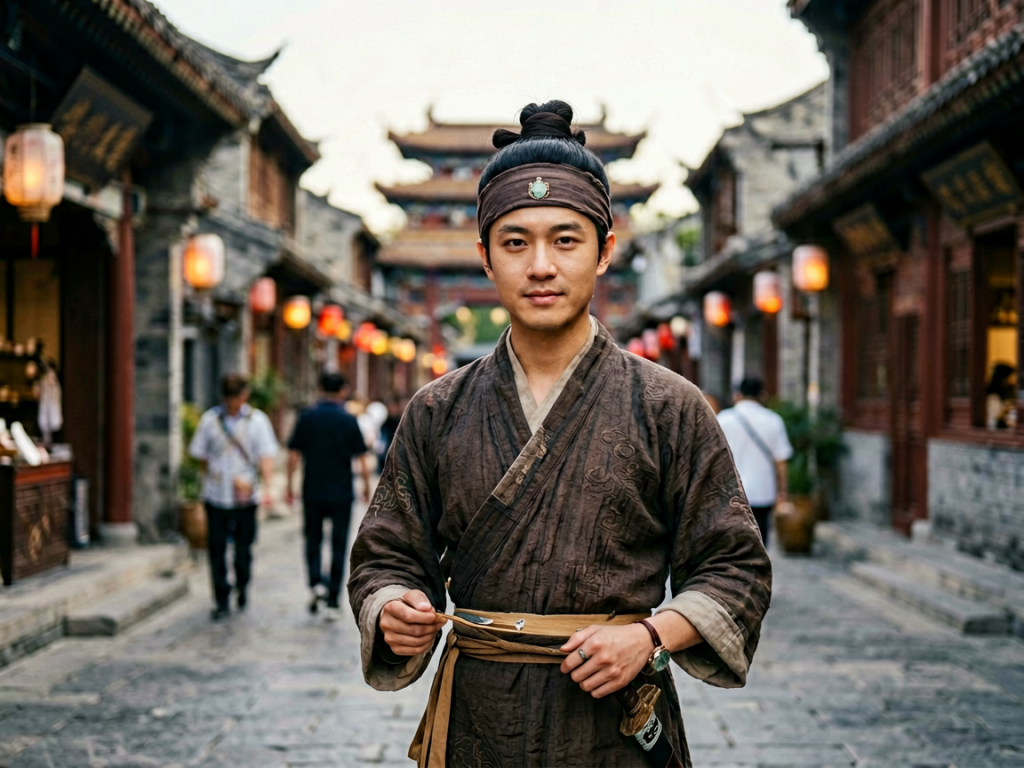
The smell hits you before you even see the street. It’s a thick, savory cloud of cumin, chili oil, and lamb fat wafting through the narrow alleys of the Muslim Quarter. I remember standing there my first week in Xi’an, completely overwhelmed by the noise and the heat. My stomach growled louder than the traffic.
Xi’an isn’t just the starting point of the Silk Road. It’s the culinary heartbeat of ancient China. While Beijing might get the political glory and Shanghai the financial buzz, Xi’an owns the soul of northern Chinese cuisine. The food here is bold. It’s heavy on carbs and meat, and it refuses to apologize for being delicious.
If you think you know Chinese food, think again. This isn’t the sweet, mild stuff you find in suburban America. This is unapologetic, spicy, sour, and incredibly fresh. I’ve lived here for eight years, and I still get excited every time I walk past a steaming cart. So, grab your appetite, because we’re hitting the streets.
The Carb Kings: Roujiamo and Biangbiang Noodles
Let’s start with the holy grail of street snacks: Roujiamo. You’ve probably heard people call it the “Chinese hamburger,” but that comparison does it a huge disservice. There’s no ketchup or lettuce here. This is a slow-cooked, tender beef or lamb patty stuffed into a crisp, flatbread called mo.
I’ll never forget the first time I tried it. The owner, an uncle with flour on his apron, slapped the bread open in seconds. He piled the meat high, drenched it in broth, and handed it to me. I took a bite and the crust shattered while the inside melted in my mouth. It’s simple, but it’s perfect.
You need to try two types. The spicy beef version is fiery and aromatic. But the lamb version? That’s where the magic happens. It’s richer, gamier, and coats your tongue in a way that makes you close your eyes. Look for stalls where the meat has been stewing in a dark, bubbling pot for hours. If the meat looks dry, keep walking.
After the Roujiamo, you have to tackle Biangbiang noodles. These are wide, hand-pulled strips of dough that look like thick ribbons. They’re chewy, substantial, and usually served with a spicy chili oil sauce, minced garlic, and vegetables. The name is fun to say, but harder to write–I’m still not sure I could write it correctly from memory.
What I love about Biangbiang noodles is the texture. Most noodles are soft. These have a bite. They resist the chopsticks slightly, which adds to the experience. The chili oil is key. It shouldn’t just be hot; it should be fragrant. Good shops make their own oil, frying the chilies slowly until they release their aroma without burning.
Eating them slurping loudly is encouraged. In fact, if you eat quietly, the chef might think you didn’t enjoy it. It’s part of the culture here. So, don’t be shy. Slurp away.
Lamb and Cumin: The Smoky Flavor Profile
You can’t talk about Xi’an without talking about lamb. Due to the city’s history as a Silk Road hub, many of its residents are Hui Muslims. This means the cuisine is heavily influenced by Central Asian flavors, especially cumin and coriander.
Cumin lamb skewers are everywhere. But not all skewers are created equal. The bad ones are dry and chalky. The good ones sizzle and drip fat onto the charcoal below. The smoke rises up, infusing the meat with a smoky sweetness that cuts through the heat of the spices.
I usually order six to ten skewers when I’m hungry. They’re cheap, too. You can get a dozen for the price of a coffee back home. Just watch out for the fat pieces. Some people hate them, but I think they’re the best part. Rendered fat is liquid gold.
Another must-try is Yangrou Chaofan, or stir-fried lamb rice. This isn’t your typical takeout fried rice. It’s loaded with chunks of tender lamb, green peppers, and onions. The rice grains are separate and slightly crispy. The cumin flavor is strong, pungent, and addictive.
Honestly, I’ve eaten this dish so many times that I sometimes dream about it. It’s comfort food at its finest. When the weather turns cold in winter, this bowl warms you from the inside out. Pair it with a cold beer, and you’ve got the perfect evening meal.
Soup and Noodles: Comfort in a Bowl
If you’ve had a long night of drinking or just want something gentle on your stomach, you need Hu La Tang. This is a thick, spicy soup made from starch, beef broth, vinegar, and chili oil. It sounds weird, but it works.
The texture is unique. It’s neither quite a soup nor quite a porridge. It’s silky and smooth, with a kick that stays in the back of your throat. Many locals swear it’s the only cure for a hangover. I’m no doctor, but after a few nights out in the bar district, I’ve found it soothing.
Then there’s Sanzi Youmian. These are twisted, fried noodles served in a light broth. The noodles themselves are crunchy and oily before you dip them in the soup. It’s a contrast of textures that surprises your palate. The broth is usually chicken-based, clear but flavorful.
People often ask if this is breakfast or dinner. The answer is both. I’ve seen grandmas eating it at 7 AM and students grabbing it at 10 PM. It’s versatile. The toppings are simple–just some cilantro, chopped green onions, and maybe a bit of vinegar. Don’t overcomplicate it. The noodle is the star.
Also, keep an eye out for Momo, or steamed buns. While they exist all over China, the Xi’an style is distinct. They’re often filled with spiced meat and served with a side of vinegar and garlic. The skin is fluffy and white. The filling is juicy. It’s basically a portable dumpling that doesn’t require chopsticks.
I once ate six Momo in one sitting while waiting for a friend. They were so good I forgot to check my phone. That’s how you know it’s quality food. It demands your full attention.
Sweets and Snacks: Balancing the Heat
After all that spice and heavy meat, you’ll need something sweet. And Xi’an delivers. One of my favorites is Bingfen, or ice jelly. It’s a blue-colored dessert made from the seeds of a local plant. It’s served cold with brown sugar syrup, dried fruits, and sometimes hawthorn flakes.
The texture is slippery and cool. It’s like eating gelatin that melts instantly. On a hot summer day, this is lifesaver. It’s refreshing without being sickly sweet. The brown sugar adds a molasses depth that pairs well with the tartness of the hawthorn.
Another classic is Tanghulu. These are candied fruit skewers, usually hawthorn berries, coated in a hard sugar shell. You crack the shell with your teeth, and then the sour fruit bursts out. It’s a shock to the system in the best way possible.
Nowadays, you can find Tanghulu with everything inside–strawberries, grapes, even whole cherry tomatoes. I stick to the traditional hawthorn. It’s tangier and less watery. Plus, the red color against the white snow or grey sky looks beautiful for photos.
Don’t leave without trying Liangpi, or cold skin noodles. These are made from wheat starch and cut into strips. They’re served cold with chili oil, vinegar, and garlic water. The noodles are translucent and chewy. It’s a salad in noodle form.
I eat Liangpi almost weekly. It’s lighter than the meat dishes but still filling. The balance of sour, spicy, and salty is tricky to get right. Some vendors lean too hard on the vinegar. Others make it too spicy. You have to find the vendor who gets it balanced.
Drinks and Final Thoughts
Of course, you can’t drink plain water all day. Try a glass of sour plum juice, or Suanmeitang. It’s dark purple, sweet, and tart. It helps cut through the grease of the fried foods. I usually order it to go with my Roujiamo.
For something alcoholic, look for local beers. Xi’an has a growing craft beer scene, but traditional lagers are still king. And if you’re feeling adventurous, try Shaanxi rice wine. It’s cloudy and slightly fermented. It tastes like sweet yogurt mixed with alcohol. It’s acquired taste, but I love it.
Walking around Xi’an’s streets feels like stepping back in time. The old city walls surround the area, and the pace is slower than in Shenzhen or Shanghai. People linger over meals. They talk loudly. They share food.
I recommend exploring early in the morning or late at night. The lunch rush is chaotic. But the night market has a different energy. The lights reflect off the steam rising from the pots. It’s magical.
One last tip: bring cash. While WeChat Pay is everywhere, some of the older street vendors still prefer small bills. And always follow your nose. If a line forms, join it. Locals know where the good stuff is. Tourists only know the expensive places.
Xi’an’s food scene is vast. I’ve probably missed a few items here. But these twelve staples will get you started. They represent the history, the culture, and the soul of the city. Each bite tells a story of merchants, emperors, and everyday people.
So, go eat. Eat until you’re stuffed. Eat until you can’t move. That’s the Xi’an way. Trust me, you won’t regret it. Just maybe wear loose pants.