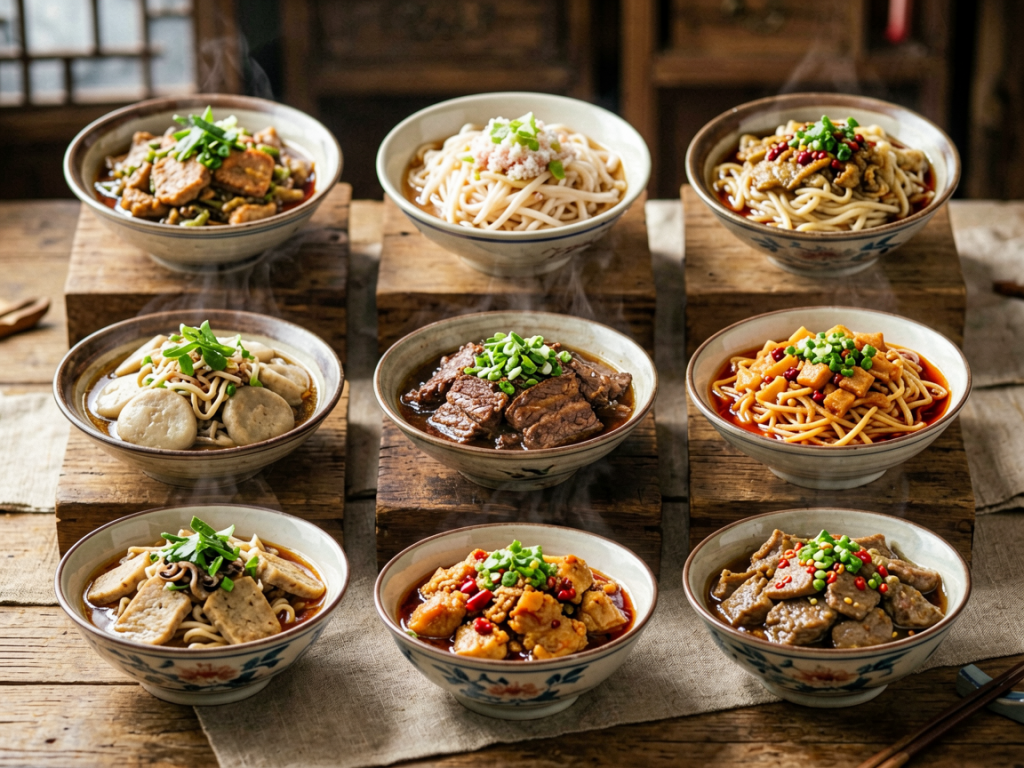
I still remember the first time I almost walked past a bowl of steaming hot soup in a Beijing hutong. It was 7 AM. The air was crisp, carrying the scent of coal smoke and fermented bean paste. An elderly woman next to me handed me a ladle and pointed at the pot. “Drink,” she said. Not a suggestion. A command.
I hesitated. It looked like broth with chunks of something dark floating in it. Was it safe? Was it good? I took a sip. My eyes widened. It wasn’t just food. It was an education.
We’ve all had the standard Chinese breakfast tour. You know the drill. Soy milk, youtiao (fried dough sticks), maybe some congee if you’re feeling fancy. It’s comfortable. It’s familiar. But it’s boring.
If you’re actually living here, or even just visiting for a week, you need to branch out. The regional diversity in China’s morning meal scene is staggering. What you eat in Shanghai is worlds apart from what you eat in Chengdu. And trust me, skipping the local specialties is a mistake.
So, leave the hotel buffet alone. I’m going to walk you through seven dishes that most foreigners never try. They’re messy, they’re loud, and they’re absolutely delicious.
The Sour Kick of Chongqing Xiao Mian
Let’s start with a bang. Or rather, a spicy kick that will make your nose run within minutes. Xiao Mian, or “Little Noodles,” is the heartbeat of Chongqing mornings. Don’t let the name fool you. These aren’t delicate, thin rice noodles. They’re thick, chewy wheat noodles tossed in a sauce that defies logic.
I spent three weeks in Chongqing trying to figure out why everyone woke up at dawn to stand in line outside tiny shops. There were no tables. Just stools. You grab a stool, shout your order, and wait while the chef throws ingredients into a boiling pot like he’s conducting a symphony.
The sauce is key. It’s a mix of chili oil, Sichuan peppercorn powder, minced meat, pickled vegetables, and enough garlic to keep vampires away. When it hits your tongue, you don’t just taste heat. You taste numbness. That’s the ma la sensation. It tingles your lips and sends shivers down your spine.
Is it easy to find outside of Sichuan province? Hardly. But if you’re in the southwest, don’t even think about ordering a bland broth noodle dish. Ask for “wei la” (mild spicy) if you’re brave, or just “te la” (extra spicy) if you want to feel alive. I learned the hard way that “mild” in Chongqing means “I can still taste my tongue.”
The Hearty Comfort of Lanzhou Beef Noodles
Jump north to Gansu province, and the game changes completely. Here, breakfast isn’t about heat. It’s about clarity and depth. Lanzhou beef noodles are famous worldwide, but people get the process wrong. They think it’s just instant noodles with beef. It’s not. It’s an art form.
The broth must be crystal clear. It’s simmered for hours with beef bones, radish, and a secret blend of spices. But the magic is in the noodles themselves. The chef pulls them by hand. You watch him stretch, twist, and slap the dough against the counter. In seconds, you have dozens of strands landing in your bowl.
I once watched a master chef make six different types of noodles for one table. There was “xiang fen” (fragrant powder, very thin), “jie zi mian” (thick strips), and everything in between. Each texture changes how the broth clings to it. Thin noodles are slippery and quick. Thick ones are chewy and substantial.
You add cilantro, green onions, and a huge spoonful of red chili oil on the side. You stir it in yourself. The first bite is pure comfort. It’s savory, aromatic, and warming without being aggressive. It’s the kind of meal that makes you forget you’re in a busy street corner and feels like you’re in a quiet kitchen at home.
The Sweet Surprise of Jian Dui
Savory dominates Chinese breakfasts. That’s the stereotype. But you’re missing half the story if you ignore the sweets. Jian Dui are sesame balls. Big, round, golden-brown spheres coated in black sesame seeds. They look like simple fried dough, but the inside tells a different tale.
When you bite into a fresh Jian Dui, it crunches. Then, the inside collapses. It’s filled with a sweet black sesame paste mixed with glutinous rice flour. Sometimes, there’s a liquid center of molten sugar that burns your mouth if you’re not careful. I’ve done that. Twice.
These are usually paired with doujiang (soy milk). The contrast is perfect. You have the rich, nutty sweetness of the ball against the mild, slightly savory soy drink. It’s not overly sugary, which surprises a lot of Western palates accustomed to cloying pastries.
Find a shop early in the morning. The oil needs to be hot, and the balls need to be freshly fried. If they sit out too long, they get soggy. I used to buy these on my way to work in Xi’an. They became my guilty pleasure. Now, I consider them essential fuel. It’s heavy, yes. But it keeps you going until lunch.
The Umami Bomb of Shengjian Bao
If you’re in Shanghai, you can’t talk about breakfast without mentioning Shengjian Bao. These are pan-fried pork buns. But they aren’t your average steamed bao. They have a crispy, golden bottom and a soft, fluffy top. The secret? Gelatinized pork skin inside the filling.
As the bun cooks, that gelatin melts into a rich, savory soup. You eat it like this: bite a small hole in the top, suck out the hot broth, then eat the rest. Warning: the broth is piping hot. I saw tourists blow on their buns for ten seconds and still burn their tongues. Don’t be that guy.
Shanghai morning markets come alive with these. Steam rises from woks lined with dozens of buns sizzling in oil. The smell of caramelized pork and ginger fills the air. They’re served with a side of vinegar and sometimes chili oil. The acidity cuts through the richness of the pork.
It’s messy eating. You’ll end up with grease on your fingers. That’s part of the fun. It’s street food elevated. Unlike dim sum in Guangdong, which is often eaten leisurely over hours, Shengjian is a quick, intense flavor hit. One or two is usually enough to satisfy a big appetite, though I rarely stop at two.
The Unique Taste of Luosifen (River Snail Rice Noodles)
Now, I need to address the elephant in the room. Or rather, the snail. Luosifen is a specialty from Liuzhou, Guangxi. It’s become a viral sensation online because of its smell. Yes, it smells. Strong. Like durian mixed with rotten eggs and cabbage. But here’s the truth: the smell doesn’t linger in your clothes if you wash them. And the taste? Unmatched.
The broth is made from river snails, pork bones, and a variety of herbs. It’s incredibly umami-rich. The noodles are rice sticks, smooth and slippery. But the toppings are where it gets interesting. You get wood ear mushrooms, peanuts, tofu skin, and a special sour bamboo shoot.
The bamboo shoots provide a sharp, tangy crunch that balances the heavy soup. I was skeptical at first. Really skeptical. My German colleagues refused to even enter the restaurant. But I gave it one try. Within five minutes, I was hooked. It’s addictive. The complex layers of flavor–spicy, sour, savory, crunchy–keep you coming back.
Just be prepared for stares. Eating this in public is an event. People know what you’re eating. But once you master the chopsticks and the slurping technique, you’ll feel like a local. It’s bold food for bold eaters.
The Silky Smoothness of Douhua
Sometimes, you don’t want spice. You don’t want crunch. You want softness. Douhua, or tofu pudding, is the answer. It’s basically silken tofu served in a bowl with broth or sweet syrup. In northern China, it’s usually salty. In the south, it leans sweet.
I prefer the salty version with a drizzle of soy sauce, chopped scallions, and maybe some preserved egg or minced meat. It’s incredibly gentle on the stomach. The texture is like clouds. You slide it into your mouth without much chewing.
This is often eaten with you tiao (fried dough sticks) dipped right into the tofu. The contrast of the crispy dough and the soft tofu is textural perfection. It’s a humble dish, cheap and unpretentious. Yet, it’s one of the most consistent breakfast items across the country.
If you have a sensitive stomach or are recovering from illness, this is your go-to. It’s nourishing without being heavy. I’ve had it in remote villages where the menu was literally just douhua and tea. And it was still incredible. Simplicity is underrated in Chinese cuisine.
Finally, let’s head southwest again, to Yunnan. The climate here is mild, and the produce is exotic. Mixian, or rice noodles, come in hundreds of varieties. But the most iconic breakfast is likely the “Guo Qiao Mi Xian” style, though often served simpler in daily life.
The broth here is usually chicken-based, cooked with ham, mushrooms, and sometimes fish. It’s lighter than Sichuan broths but richer than Cantonese ones. The noodles are white, translucent, and have a unique chewiness that wheat noodles lack.
What makes Yunnan breakfast special is the ingredients. You might find edible flowers in your soup. Or wild mushrooms that cost more than beef. It’s a culinary landscape shaped by geography. Proximity to Southeast Asia brings influences from Thailand and Vietnam, adding citrus and lemongrass notes to the mix.
I remember eating a bowl in Dali, overlooking the Erhai Lake. The mist was rising off the water. My bowl was steaming, filled with tender shrimp and fragrant herbs. It felt like a complete reset button for my senses. It’s fresh, clean, and deeply satisfying.
Eating locally is the only way to truly understand China. These dishes aren’t just fuel. They’re history, geography, and culture on a plate. So next time you’re in China, skip the McDonald’s. Find a local stall. Order something strange. And watch your world expand.