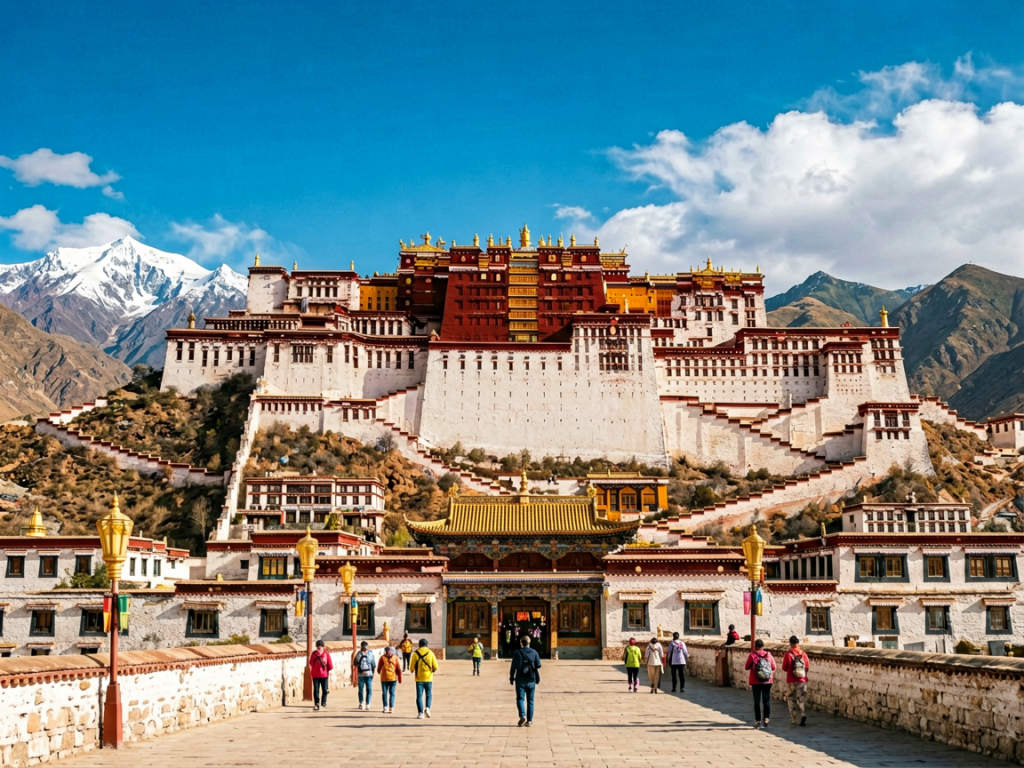
I still remember the first time I stood in front of the Potala Palace. It was 2019, and the air was so thin it felt like my lungs were trying to escape my body. The sun hit the white walls, turning them into blinding gold, and I just stood there, stunned. That moment hasn’t faded. In fact, it’s gotten sharper with every year I’ve spent watching this region change.
If you’re thinking about heading to Lhasa in 2026, you need to know something right now: the game has shifted. It’s not just about booking a flight anymore. The bureaucracy has tightened, the digital infrastructure has exploded, and the tourist experience is… well, it’s complicated. I’m no expert on politics, but I am an expert on getting from point A to point B without losing your mind.
So, let’s talk about what Tibet travel actually looks like next year. I’ll be honest, some parts might surprise you, and others will probably frustrate you a bit. But if you go in prepared, it’s still one of the most profound experiences on Earth.
The Permit Shuffle Is Real
You can’t just fly to Lhasa anymore. You knew that, but did you know how much stricter it gets each year? By 2026, the Foreign Tourist Permit (FTP) process is fully digitized, which sounds convenient until you realize you can’t apply for it yourself. You have to go through a registered travel agency.
I tried to book a last-minute trip to Yamdrok Lake last year. I thought I’d just hop on a train from Xining and figure it out upon arrival. Big mistake. The ticket check at the Qinghai-Tibet Railway station was rigorous. They scanned my passport, then asked for a QR code linked to my permit. When I didn’t have it, I couldn’t even board the train. It wasn’t rude, just firm. Safety first, they said, but really, it’s about control.
In 2026, you need to start this process at least three weeks before your flight. Seriously. Three weeks. I learned that the hard way. My friend Sarah lost two days of her vacation because she waited until the week before. Don’t be Sarah. Book your agency, send them your passport scan, and wait. The anxiety of waiting for approval is part of the journey.
The good news? Once you have the permit, it’s valid for the entire stay. You don’t need separate ones for different cities unless you’re leaving the Lhasa prefecture. But if you want to go to Ngari or Nyingchi, you need additional approvals. These take longer. Much longer. If you’re planning a multi-city trip, start early. Like, really early.
The Digital Wall in the Himalayas
Here’s the thing about connectivity in Tibet. It’s not just slow; it’s curated. In 2026, the internet infrastructure has improved significantly. 5G is everywhere in Lhasa, and even remote monasteries have signal. But that doesn’t mean you can just log into WhatsApp or Instagram like you would in New York or London.
I spend a lot of time in cafes in Barkhor Street. I watch tourists pull out their phones, refresh their feeds, and then frown. They try to load Google Maps. Nothing. They try to check email. Loading spinner. Then they sigh and put the phone away. It’s a strange ritual. You realize you’re disconnected, not because the tech is bad, but because the gatekeepers are watching.
Don’t bother trying to use a VPN. It’s 2026, and the filters are smarter than ever. You’ll get flagged, and that’s the last thing you want. Instead, embrace the local apps. Alipay and WeChat Pay work flawlessly. I bought butter tea, souvenirs, and even paid for a taxi using just my phone. It’s seamless. And honestly? It’s kind of liberating.
When you can’t browse social media, you look up. You talk to people. You notice the details. I struck up a conversation with a local monk in Sera Monastery because I had nothing else to do. He laughed at my broken Mandarin and taught me three phrases that still stick with me. That interaction wouldn’t have happened if I were busy posting stories. So, leave the laptop at home. Bring a good camera, though. The light in Lhasa is unreal.
Altitude Is Not a Joke
Let’s talk about the physical reality. Lhasa sits at 3,650 meters. That’s high. Really high. I’ve been to Colorado, and this feels different. The air is drier, colder, and thinner. In 2026, hotels are better equipped with oxygen tanks, but you still need to prepare.
I met a guy in a guesthouse near the Jokhang Temple who flew in directly from Bangkok. He didn’t acclimatize. He didn’t drink water. He just went to the Potala Palace the next morning. By noon, he was vomiting. It wasn’t pretty. I had to help him carry his bags to the hospital. It ruined his trip.
Don’t make his mistake. Arrive in Lhasa at least two days before doing anything strenuous. Spend those days lying down. Drink water. Lots of it. I drank four liters a day. My clothes smelled like sweat, but I felt okay. Eat lightly. Tibetan food is heavy on meat and dairy, which can sit poorly in a thin atmosphere. Stick to noodles or congee for the first few days.
There’s a myth that you can “tough it out.” You can’t. Your body is adjusting to less oxygen. Headaches are normal. Dizziness is normal. Severe breathing difficulty is not. If you feel worse after two days, go down. Lower altitudes are easy to reach from Lhasa. Take a bus to Shigatse, or even just stay in the valley. Health is more important than checking a box.
The Cost of Going Green
Tourism in Tibet has become expensive. In 2026, the government is pushing for sustainable tourism, which is a nice phrase for “we’re limiting numbers and raising prices.” Hotels charge premium rates during peak season, which runs from May to October. I’m talking $100 to $200 a night for basic accommodation. Luxury places? Double that.
I stayed in a boutique hotel in the old town. It was charming, with wooden beams and a view of the rooftops. But the heating was spotty. In February, it was freezing. You need to budget for warmth. Electric blankets are a lifesaver. I packed mine, and I wish I hadn’t needed to, because finding a compatible adapter was a nightmare.
Food costs are reasonable if you eat local. Butter tea is cheap. Noodles are cheap. But western-style cafes charge western prices. I miss a good avocado toast, but I can’t afford it here. Stick to the local eateries. Try the *xiaolongbao* at the market near the Barkhor Street entrance. They’re small, steaming, and perfect for breakfast. I ate them every morning for a week. They never got old.
Transportation is another hidden cost. Taxis are plentiful, but they don’t always use meters. Negotiate upfront. I learned to say “duoshao qian?” (how much money?) with a smile. It works. Buses are cheap but crowded. Trains are scenic but require that permit I mentioned earlier. Flights from Chengdu or Xi’an are fast but pricey. Plan your route carefully. Money adds up fast.
People Are Still the Best Part
Despite the red tape, the cost, and the altitude sickness, I keep coming back. Why? Because of the people. Tibetans are incredibly welcoming. They don’t care where you’re from. They care if you respect their culture.
I watched a family perform the *kora*, the circumambulation around the Jokhang Temple, for hours. They spun prayer wheels, chanted mantras, and prostrated themselves on the ground. It wasn’t a performance for tourists. It was their life. And when I smiled at them, they smiled back. That connection is rare. It’s pure.
In 2026, you’ll see more tourists than ever before. High-speed trains bring thousands from inland China daily. The crowds can be overwhelming. But if you wake up early, you’ll find silence. The streets are empty at 5 AM. The sky is purple. The air is crisp. You can walk around the Potala Palace without jostling for space. It’s magical.
Go for the sunrise. Watch the monks debate in Sera Monastery. It’s chaotic, loud, and hilarious. They throw pillows at each other while making philosophical points. I’ve never seen anything like it. It breaks the stereotype of Tibet as a solemn, silent place. It’s alive. Vibrant, even.
Final Thoughts on 2026
Is Tibet difficult to visit in 2026? Yes. It requires patience, planning, and money. But is it worth it? Absolutely. There are few places on this planet that challenge you physically and spiritually at the same time. Lhasa does exactly that.
I left with a headache, a full camera roll, and a heart full of questions. I don’t have all the answers. None of us do. But standing in that thin air, watching the snow-capped mountains glow pink in the sunset, I felt closer to something bigger than myself. That’s what travel is supposed to be, isn’t it?
So, pack your bags. Get your permits. Buy those oxygen tanks. And go. Just remember to look up once in a while. The view is worth it.