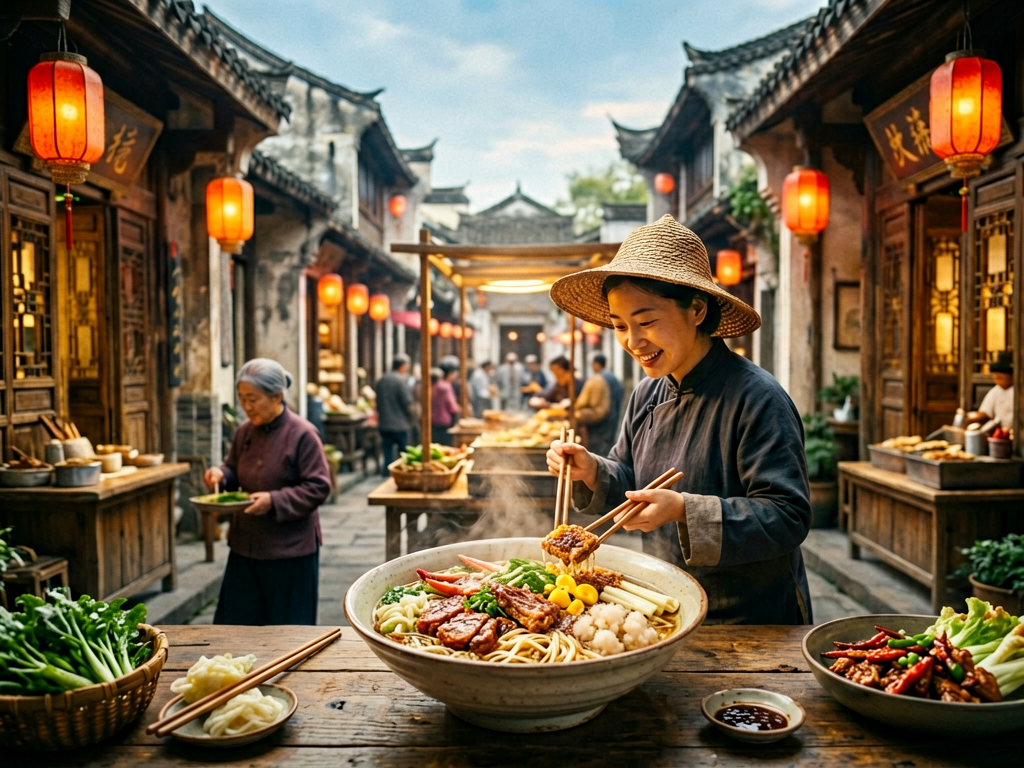
Look, I’ve been eating off plastic stools in the middle of Beijing intersections for eight years. My stomach hasn’t filed a single complaint since day one. I’ve eaten *jianbing* from a woman who only spoke Mandarin and nothing else. I’ve slurped beef noodles from a cart that looked like it was built out of scrap metal and hope. And guess what? I’m still here. Still typing. Still hungry.
If you’re reading this, you’re probably nervous. You’ve heard the stories. The “Delhi belly” warnings. The internet forums filled with horror stories about food poisoning in Asia. It’s easy to get paralyzed by fear. You end up eating bland hotel buffet eggs for three days while everyone else outside is having the time of their lives.
Here’s the thing about Chinese street food safety. It’s not about avoiding the streets. It’s about reading the room. It’s about understanding the flow of ingredients and the habits of the vendors. Once you get it, you’ll never go back to expensive, sterile restaurants for your daily fix. You’ll find the best flavors, the cheapest prices, and the most authentic culture right there on the pavement.
The Golden Rule: Follow the Crowd
I can’t stress this enough. If a street cart has no customers, do not eat there. It’s that simple. This isn’t a rule just for safety; it’s a rule for quality. But for safety, it’s non-negotiable.
High turnover means fresh ingredients. When you see a line of locals waiting for skewers or dumplings, it means that meat wasn’t sitting in a warm case all morning. It means the vendor is moving fast. Fast movement is your friend. Fast movement means the food spends less time in the “danger zone” between raw and cooked, and more time in your mouth.
I remember my first week in Chengdu. I saw a small cart selling *dan dan* noodles. It was empty. I looked around. Nothing. I walked away. Ten minutes later, the line stretched around the corner. I waited. The noodles were incredible. The vendor was sweating, wiping her face with a towel, and moving like a whirlwind. That energy tells you everything you need to know. The ingredients are fresh. The fire is hot. The risk is low.
Conversely, I once saw a vendor selling cold seafood salads in a small alley. No line. Just one other tourist looking hesitant. I watched him for a minute. The ice was melting. The seafood was sitting in a puddle of its own juices. I left. My instinct was right. That stuff was a gamble I didn’t want to take.
Heat is Your Best Friend
When it comes to street food safety, heat kills bacteria. It’s basic biology. But in China, the way they use heat is different from what you might be used to in the West. They don’t just cook; they flash-fry, they boil violently, they char directly over open flames.
Look for vendors who are cooking right in front of you. If you can see the steam rising, or the oil bubbling, or the grill smoking, you’re in good shape. Those items are being prepared to order. They haven’t been sitting out.
Take *zhajiangmian* or fried rice. If the vendor is stirring the wok over a roaring fire, the food is safe. The high heat sanitizes the surface. If you see pre-cooked rice sitting in a large metal bin, keep moving. Same with fried dough sticks (*youtiao*). If they’re coming out of the fryer fresh and golden, they’re good. If they’re piled high and looking soggy, avoid them.
I love skewers. Grilled meat skewers (*chuanr*) are a staple. But you have to watch the process. The meat needs to be seared hard. If you order lamb skewers, ask for them to be cooked well-done if you’re nervous. Most vendors will smile and say it’s already well-done, but sometimes they rush. I’ve seen them throw raw-looking pieces on the grill and pull them off after thirty seconds. That’s risky. Stick to places where the sizzle is loud and the smoke is thick.
Water and Drinks: A Simple Fix
This is the easiest part of the puzzle, yet people mess it up all the time. Don’t drink tap water. Ever. Not even to brush your teeth if your stomach is sensitive. Use bottled water. Seal the cap yourself. Check the seal before you buy it.
When it comes to drinks on the street, stick to sealed bottles or cans. If you buy fresh juice, watch them make it. If they’re washing the fruit with tap water before juicing, that’s a potential issue. I’ve seen vendors in summer markets wash whole watermelons with a hose before cutting them. The inside is safe, but the outside knife might be contaminated. It’s a small risk, but why take it?
Ice is another thing. In rural areas or smaller towns, ice might be made from local tap water. In big cities like Shanghai or Beijing, most reputable vendors use block ice from certified suppliers. But if you’re unsure, just ask for no ice. Or better yet, get a cold beer or a canned soda. It’s safer and often more refreshing.
I used to be scared of fruit cups. You know the ones, chopped mango, watermelon, and pineapple in a plastic cup. They look so fresh and healthy. But I learned to watch the hands. If the vendor handles the fruit with bare hands and doesn’t wash them between cuts, skip it. If they use tongs or gloves, you’re good. I’ve found that the best fruit cups are from vendors who have a steady stream of customers, because the fruit gets used up quickly.
Hygiene Habits of the Vendor
Let’s be honest. Not all street vendors have access to high-end hygiene standards. But many have developed excellent personal habits out of necessity and pride. Watch the vendor. Do they wear gloves? Do they use tongs? Do they wipe down their surface regularly?
I’ve seen vendors who are meticulous. They have a dedicated area for raw meat and a separate area for cooked food. They wash their hands frequently, even if it’s just a quick rinse at a bucket nearby. These are the vendors you want to support. Their customers are regulars. Regulars come back because they trust the vendor.
On the other hand, if you see a vendor sneezing into their hands and then continuing to handle food, that’s a red flag. It happens. We’re human. But in a food service context, it’s a risk. I’ve walked away from carts for this reason. It’s not worth the potential stomach ache. There are five other carts within ten meters. Go find one that respects hygiene.
Also, look at the condiments. If the chili oil jar is covered and clean, that’s a good sign. If it’s open to the air with flies buzzing around it, think twice. I’ve seen vendors use their chopsticks to pick out bits of debris from the chili oil jar and then put them back. It’s gross, and it’s risky. Use your own packets if they have them, or bring your own small container.
Trust Your Gut (Literally and Figuratively)
There’s an intuition that develops over time. After a few months in China, you start to sense what’s safe. You look at the color of the meat. You smell the air around the cart. You listen to the sounds of the kitchen. If something feels off, it probably is.
I’m no expert, but I’ve learned to trust my instincts. If a vendor seems rushed and sloppy, I wait. If the food looks dry and old, I move on. If the prices are too good to be true, be wary. Cheap meat might be old meat. I’d rather pay an extra two yuan for peace of mind.
It’s also about your own body. If you’ve been traveling hard and your stomach is already sensitive, maybe take a break from the street food for a day. Eat something simple. Congee. Toast. Let your system reset. Then, ease back in. Start with something mild, like steamed buns (*baozi*). They’re cooked through, soft, and usually very safe. Then graduate to spicy skewers.
I remember a trip to Xi’an. I was exhausted. I skipped the spicy lamb skewers and went for a simple bowl of beef noodle soup. It was perfect. Warm, comforting, and completely safe. I felt great the next day. I was ready to tackle the roujiamo and the spicy noodles the following day. Listen to your body.
The Verdict: Just Eat It
So, should you eat Chinese street food? Absolutely. It’s the heart of the culture. It’s where the community gathers. It’s where you taste the real flavors of the region. The safety risks are manageable. They’re not zero, but they’re not high if you follow these basic rules.
Don’t let fear keep you from experiencing one of the greatest culinary traditions on Earth. The people who run these carts work hard. They take pride in their food. They want you to enjoy it. Show respect, follow the crowd, and keep things hot. You’ll be fine.
I’ve made friends with vendors in every city I’ve lived in. We share smiles, we share food, and we share stories. That connection is worth more than any sterile restaurant experience. So go out there. Find a busy cart. Order something you can’t pronounce. Eat it with your hands if you have to. And enjoy every bite. Trust me, you won’t regret it.
Your stomach will adapt. Your taste buds will thank you. And you’ll come home with stories that are worth far more than any medical bill. That’s the Chinese way. And it’s a good way.