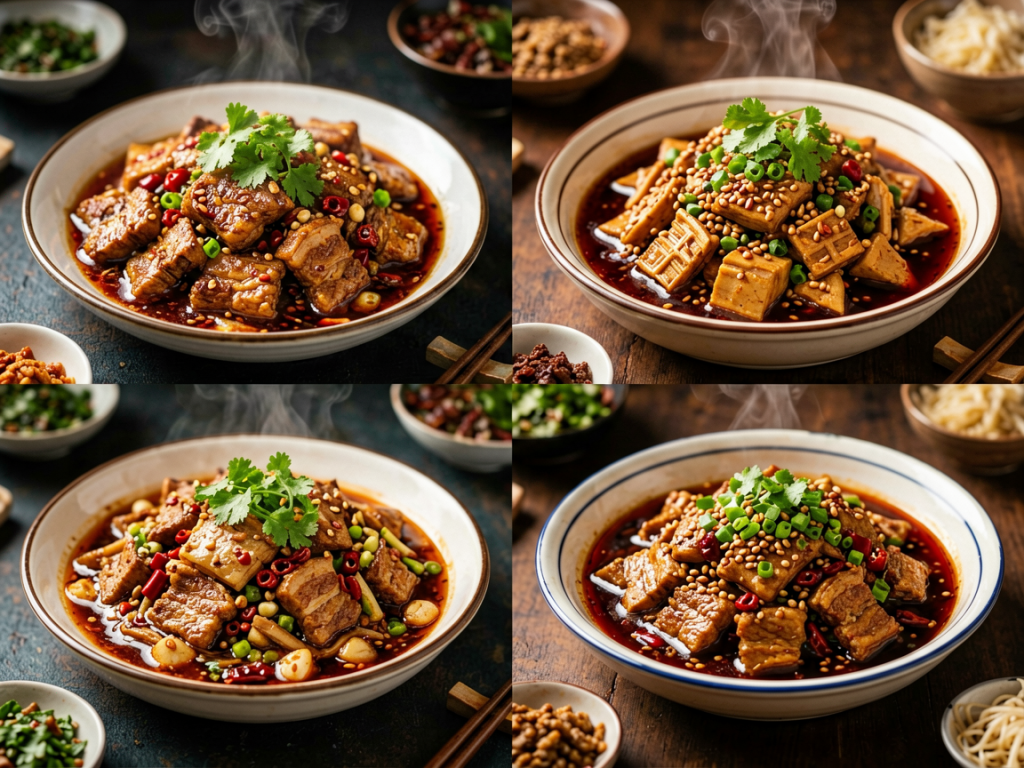
The Great Spice Wars
I still remember the exact moment I realized I didn’t know what I was eating. I was sitting in a cramped, windowless restaurant in Changsha, Hunan province. The air was thick with smoke and the sharp, pungent aroma of fresh chilies. My friend pushed a bowl of stewed fish toward me and smiled. It looked innocent enough, just some broth and flakes of fish.
I took one bite and immediately regretted everything. The heat didn’t just sit on my tongue. It invaded my sinuses, made my eyes water, and left my lips feeling like they were on fire. I reached for water, but my friend laughed and said that was the wrong move. Water just spreads the oil. It only makes it worse.
That was my introduction to Hunan spice. It’s aggressive. It’s direct. It doesn’t ask for permission. Now, contrast that with my experiences in Chengdu, Sichuan province. The spice there is different. It’s complex. It dances around your palate with numbing peppercorns and fermented pastes. It’s less about pure burn and more about the entire experience of flavor.
People often think all Chinese food is just a little sweet soy sauce and maybe some mild chili oil. They’re wrong. The divide between these two regions is as wide as the Pacific Ocean. And if you’re planning a trip or just trying to order dinner without sweating through your shirt, you need to know the difference. Trust me, it matters.
The Numbing vs. The Burning
Here’s the thing about Sichuan cuisine. It’s famous for *mala*. That’s the combination of *ma* (numbing) and *la* (spicy). The numbing comes from the Sichuan peppercorn. It’s not actually a pepper. It’s more like a citrusy pod that tingles your tongue. It creates a vibration sensation that’s weird at first but addictive later.
I tried Mapo Tofu for the first time in a tiny alleyway spot near Jinli Street. The tofu was silken, almost melting. But the sauce was a deep, oily red. When I ate it, my lips went numb. I couldn’t feel them properly for twenty minutes. It was disorienting. But the flavor underneath? Incredible. Spicy, salty, garlicky, and fermented bean paste all working together.
Hunan cuisine doesn’t play that game. There’s no numbing agent. It’s all about the *la*. And not just any chili. They use fresh chilies, dried chilies, and fermented black beans. The heat is sharp and immediate. It hits you fast and stays hot. It’s a dry heat, not a wet, oily numbness.
I once ate a dish called Stir-Fried Pork with Fresh Chilies in Changsha. The meat was tender, but the chilies were chopped so fine you couldn’t see them. They just blended into the sauce. One bite, and boom. Instant sweat. No numbing. No distraction. Just pure, unadulterated fire. It’s exhausting but satisfying in a weird way.
Ingredients That Define the Flavor
If you want to understand the difference, you have to look at the pantry. Sichuan cooks love their doubanjiang. That’s broad bean chili paste. It’s fermented. It has a deep, umami richness that builds slowly. It’s the backbone of many classic dishes like Kung Pao Chicken or Twice-Cooked Pork.
In Sichuan, they also use a lot of sugar and vinegar. I know, that sounds weird for a spicy cuisine. But balance is key. The sweetness cuts through the heat of the oil. The vinegar adds a bright acidity. It makes the dish round and complete. It’s like a symphony where every instrument has its place.
Hunan, on the other hand, is all about freshness. They use fresh garlic, fresh ginger, and fresh chilies. They don’t rely as heavily on fermentation for the base flavor. Instead, they use pickled vegetables. Sour bamboo shoots, pickled radish, and sour cabbage add a tangy crunch that contrasts with the heat.
I remember eating a simple bowl of noodles in Hunan. The broth was clear, but it had a layer of red oil on top. Underneath, there were pickled mustard greens and minced pork. The sourness of the greens cut through the richness of the pork. The chili provided the kick. It was simple, but the layers of flavor were intense. It’s less about complexity and more about intensity.
Dishes You Need to Try
Let’s talk specific dishes. In Sichuan, you can’t leave without trying Hot Pot. It’s a ritual. You sit around a boiling pot of spicy broth and cook raw ingredients yourself. The broth is usually divided. One side is spicy, the other is mild. Or sometimes, it’s just all spicy if you’re brave.
I went to a famous hot pot place in Chengdu called Shoo Loon Tong. The line was out the door. We waited for an hour. Was it worth it? Yes. The beef slices were so thin they were translucent. They cooked in ten seconds. Dip them in sesame oil and garlic, and you’re in heaven. The numbing peppercorns in the broth made my tongue tingle for hours.
In Hunan, the dish to try is Steamed Fish Head with Chopped Chili. It looks intimidating. It’s a huge fish head, split open, and covered in a mountain of chopped red chilies and ginger. You steam it until the fish is tender. The sauce soaks into the meat. It’s salty, spicy, and garlicky. I ate the cheek meat, which is the best part. It was like butter.
Another must-try in Hunan is Chicken with Garlic Chili. It’s not like the sweet and sour chicken you get at American takeout places. This is savory and hot. The chicken is fried until crispy, then tossed in a sauce of garlic, chili flakes, and soy sauce. It’s dry, not soupy. It’s great with rice. You’ll need a lot of rice.
How to Order Like a Local
If you’re dining in these regions, you need to know how to ask for spice levels. In China, they don’t have “mild” and “extra hot” on the menu. It’s more nuanced. In Sichuan, you can ask for *wei la* (mild spicy) or *zhong la* (medium spicy). But even “mild” can still be quite spicy for foreigners.
I learned this the hard way. I ordered “mild” spicy noodles in Chengdu. The waiter nodded and said okay. The bowl came out, and it was swimming in red oil. I ate half of it and had to stop. My throat felt like it was swelling. I asked for water, but the locals around me were just laughing and drinking beer. It was a culture shock.
In Hunan, the spice levels are generally higher. Even “mild” here is hot. You might want to start with *bu la* (not spicy) if you’re sensitive. But honestly, if you go to Hunan and don’t eat spicy food, you’re missing the point. The chef might look at you funny. It’s almost a challenge.
Also, pay attention to the oil. Sichuan dishes often have a lot of oil on top. It’s not just for show. The oil carries the flavor of the peppercorns and chilies. You want to eat some of that oil. It’s part of the experience. In Hunan, the oil is usually less abundant. The heat comes from the fresh chilies themselves, not just the infused oil.
Which One Should You Choose?
So, which one is better? That’s like asking which parent loves you more. It depends on your mood. If you want a complex, numbing, oily experience that coats your mouth, go Sichuan. It’s great for sharing. Hot pot is social. You talk, you cook, you eat. It’s a communal affair.
If you want a sharp, fresh, aggressive heat that wakes you up, go Hunan. It’s great for solo dining or when you want something quick and intense. A bowl of spicy noodles or a plate of stir-fried pork hits the spot when you’re hungry and need energy.
I’ve spent years traveling through China. I’ve eaten in Michelin-starred restaurants and street stalls. Both cuisines have their place. I love the comfort of Sichuan food. It feels like a warm hug, even if it’s burning. But I respect the raw power of Hunan food. It’s honest. It doesn’t hide behind fermentation or sugar.
Don’t be afraid to try both. Start with a small portion. Ask your friends or the waiter to help you choose. And remember, if you start sweating, don’t panic. It’s normal. It’s part of the fun. Just find a cold drink and enjoy the ride.
Next time you’re at a Chinese restaurant, look at the menu closely. Is there a picture of a numbing peppercorn? That’s Sichuan. Is there a picture of fresh red chilies? That’s Hunan. Pick one. Try it. Expand your palate. You won’t regret it. And if you hate spice, well, you might want to stick to Kung Pao Chicken. But even that has a kick. So, be warned.