Look, I’ve lived in China for eight years now. I’ve eaten hotpot in Chengdu until my stomach hurt. I’ve gotten lost in the alleyways of Beijing at 2 AM. But nothing prepared me for Lhasa. When I first stepped off that train from Xining, my head felt like it was in a vice grip. The air was thin, sharp, and completely different from the humid sprawl of the cities I knew. I thought I was tough. I was wrong.
But then I walked into Barkhor Street. The sun hit the golden roof of the Jokhang Temple, and the sound of chanting filled my ears. Suddenly, the headache didn’t matter. It was like the rest of the world had just stopped spinning. If you’re thinking about going, you need to know what’s coming. It’s not just a vacation. It’s a pilgrimage for your senses.
Getting There Isn’t Just a Flight
Most people think they can just fly into Lhasa Gonggar Airport. Sure, you can. But I don’t recommend it unless you want to spend your first two days in bed wondering if you’re dying. Your body needs to acclimatize. The altitude in Lhasa is around 3,650 meters. That’s high. Like, really high.
I took the train from Xining instead. It takes about 22 hours, but it’s worth every minute. The train actually oxygenates the carriages. It’s a quiet, slow journey through the Qinghai-Tibet Plateau. You see the landscape change from green fields to stark, rocky deserts. You watch the mountains get higher. It gives you time to think. And to rest.
When you finally arrive, don’t plan anything. Seriously. Just go to your hotel. Drink water. Lots of it. Eat light. Your first day should be nothing but sitting on your bed, looking out the window, and letting your lungs adjust. I tried to walk to the Potala Palace on my first afternoon. Big mistake. I had to turn back after ten minutes because my heart was pounding like a drum. Listen to your body. It’s smarter than you think.
The Potala Palace Will Blow Your Mind
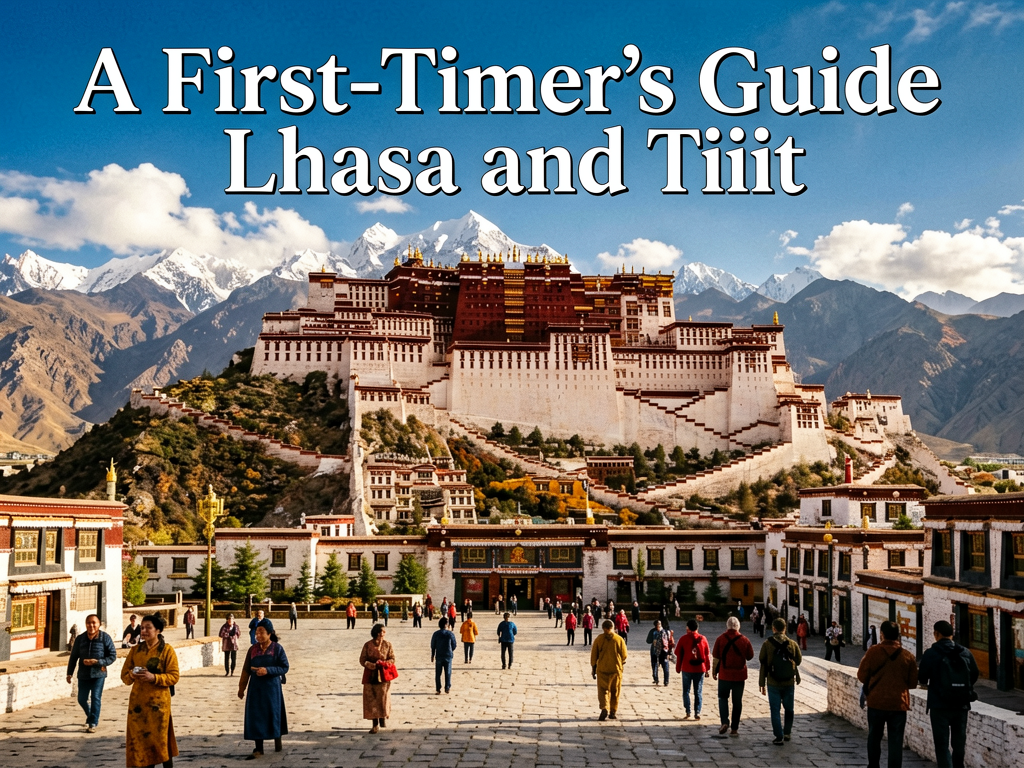
You’ve seen the photos. Everyone has. But standing at the base of the Potala Palace is different. It’s massive. White and red walls climbing up the rock face, dominating the skyline. It’s not just a building; it’s a fortress of faith. I was honestly skeptical at first. I’ve seen enough tourist traps to know how they work. But this place is real.
Getting a ticket is a hassle. You need to book weeks in advance, often online through official channels. Show up without one, and you’ll just turn around. Once you’re in, follow the signs. There are guides, but I found them rushed. I prefer to wander on my own, though you need a permit for most areas.
The interior is a maze of narrow staircases and dimly lit corridors. The air inside is thick with incense and the smell of old wood. You’ll pass thousands of statues. Some are gold. Some are plaster. They all seem to watch you. I spent three hours there just walking. It’s exhausting, but in a good way. You feel small. And that’s a good feeling.
Don’t rush the views. The palace sits on Red Hill, so you can walk up to the top. The view of Lhasa below is worth the climb. You see the city spread out, green with trees, contrasting with the arid hills. It’s peaceful. It’s quiet. It’s the kind of moment you’ll remember for the rest of your life.
Walking the Barkhor Kora
If you do one thing in Lhasa, walk the Barkhor Street kora. It’s a circuit around the Jokhang Temple. Locals walk clockwise, spinning prayer wheels and chanting. It’s hypnotic. I joined them on a Tuesday morning. The light was soft, and the streets weren’t too crowded yet.
There’s a rhythm to it. Click of the prayer wheel. Step. Click. Step. I started to feel a strange calmness. I wasn’t thinking about my emails or my plans. I was just walking. It’s a practice, not just a sightseeing tour. You’ll see monks in maroon robes. You’ll see elderly Tibetans with weathered faces, their eyes closed in devotion. You’ll see tourists, some respectful, some taking selfies with the temple in the background. Try to be respectful.
Along the way, there are small shops. Buy some butter tea. It’s salty and weird. I hated it at first. But after a few sips, it warmed me up. It’s not for everyone, but it’s part of the culture. Eat some momos. They’re steamed dumplings filled with meat or vegetables. They’re cheap, hot, and delicious. I ate three in one sitting. My guide, a local guy named Tashi, laughed at me. He said, “You eat like a bear.” I took that as a compliment.
The kora ends back at the Jokhang Temple. Go inside. It’s the holiest site in Tibet. The main hall is crowded, but the light filtering through the windows is golden and ethereal. Offerings of butter lamps flicker everywhere. It’s intense. It’s spiritual. It’s not something you can explain with words. You just have to feel it.
Respect the Culture, Not Just the Scenery
Here’s the thing about Tibet. It’s not just a pretty backdrop for your Instagram feed. It’s a living, breathing culture with a history that’s been through a lot. As a visitor, you’re a guest. Treat it that way.
Don’t touch religious artifacts. Don’t point your fingers at statues. And never, ever photograph people without asking. I saw a guy get shut down hard for trying to snap a picture of an old woman selling prayer beads. He didn’t ask. She didn’t smile. It was awkward. Just ask. A smile goes a long way. Most Tibetans are incredibly hospitable. They’ll invite you for tea if you show genuine interest.
Also, be mindful of your behavior in temples. Take off your hat. Lower your voice. Don’t walk in front of people who are praying. It’s common sense, but tourists often forget. I’m no expert, but basic respect goes a long way. If you’re unsure, watch what the locals do. Follow their lead. It’s the safest bet.
I also want to mention the environment. Tibet is fragile. Don’t litter. Pack out what you pack in. I saw plastic bottles left on the sides of roads near the monastery. It broke my heart. This place is sacred. Treat it with the care it deserves. We’ve messed up enough other places. Let’s not do it here.
When to Go and What to Pack
Timing matters. The best time to visit is from April to October. The weather is milder. The roads are open. Winter is brutal. Temperatures drop below zero, and many places close. If you’re not prepared for the cold, skip the winter months. Spring is nice, with flowers blooming. Autumn is clear, with blue skies. I prefer autumn. The air is crisp, and the light is perfect for photos.
Pack layers. The temperature swings are huge. It can be 20 degrees Celsius during the day and near freezing at night. Bring a good jacket. Sunscreen is non-negotiable. The UV rays are strong up here. I got sunburned on my first day despite thinking I was covered. My skin peeled for a week. Don’t make my mistake.
Comfortable shoes are a must. You’ll walk a lot. Lhasa is hilly. The streets are uneven. Leave the heels at home. Bring water bottles. Hydration is key to fighting altitude sickness. I drank at least three liters a day. It helped. So did taking it easy. Listen to your body. If you feel dizzy, stop. Rest. Drink water. Don’t push through it.
Also, bring some cash. Not all places accept cards. Small shops, street vendors, and even some temples prefer cash. RMB is the currency. Have small bills ready. It makes transactions easier. I learned that the hard way when I tried to buy a scarf from a vendor who didn’t have change for a 100 yuan note. It was awkward.
It’s More Than a Trip
I’ll be honest, I went to Tibet expecting a holiday. I expected photos and food. What I got was something deeper. It was a reminder of how big the world is, and how small I am in it. Lhasa doesn’t care about your deadlines or your social media likes. It just is. It’s ancient, enduring, and peaceful.
It changed me. Not dramatically. But subtly. I started paying more attention to the present moment. I started listening more. I started appreciating the quiet. If you’re going, don’t just go to see. Go to feel. Let the place wash over you. Let it challenge you. And if you come back with a headache and a full heart, you’ve done it right.
So, are you ready? Pack your bags. Buy your tickets. And get ready for the trip of a lifetime. It’s hard work, but it’s worth it. Trust me.