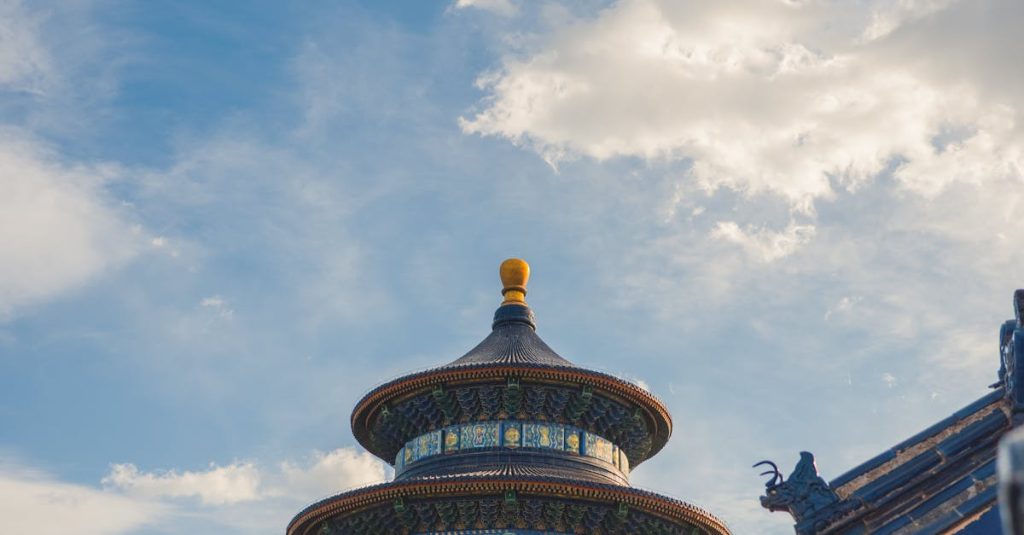
The Shaolin Temple (少林寺, Shàolín Sì), located in Dengfeng, Henan province, is the cradle of Chinese martial arts and the birthplace of Chan (Zen) Buddhism. For over 1,500 years, this monastery on the slopes of Songshan (Songshan, one of the Five Great Mountains) has trained warriors, developed martial techniques, and served as the spiritual center of kung fu.
History of Shaolin Temple
The temple was founded in 495 CE during the Northern Wei Dynasty by Emperor Xiaowen, who invited the Indian monk Batuo (跋陀) to establish a Buddhist monastery. For the first 300 years, Shaolin was primarily a center of Buddhist scholarship. The martial arts tradition is traditionally said to have begun when an Indian monk named Bodhidharma (达摩) arrived around 527 CE, teaching the monks boxing and breathing exercises to strengthen their bodies for long meditation sessions.
The 72 Skills of Shaolin
Shaolin martial arts developed what are known as the “72 Skills of Shaolin” — a vast catalog of techniques encompassing barehanded fighting, weapon arts, and specialized skills including:
Iron Shirt (金鐘罩): A body conditioning technique that trains practitioners to absorb strikes without injury.
Shaolin Staff (少林棍): The staff is considered the patriarch of all Shaolin weapons. The monk’s staff (禅杖) is both a weapon and a walking stick.
Fist Styles: Changquan (Long Fist) for explosive, jumping kicks; and Paoquan (Cannon Fist) for powerful, linear strikes.
Visiting Shaolin Temple Today
The temple complex is open to visitors, with daily kung fu performances demonstrating the famous “moving monk” (少林和尚) techniques. Tickets for the temple and kung fu show are available separately. The surrounding area has numerous kung fu training schools where visitors can enroll in short-term programs.
For a comprehensive overview of Chinese martial arts traditions, visit our Chinese Kung Fu Complete Guide.