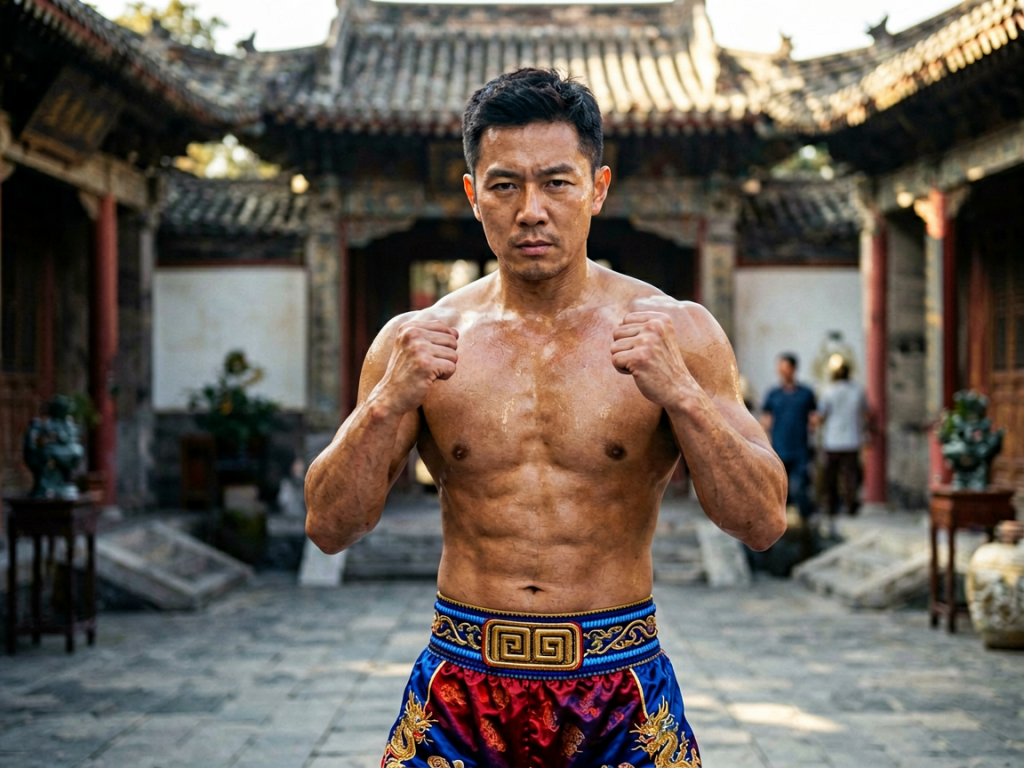
Sanda Referees Stop Fights Way Faster Than MMA: Why Chinese Full-Contact Rules Are Different
I remember sitting in a damp, concrete gym in Chengdu back in 2016. The air smelled like old sweat and liniment oil. Two guys were circling each other, looking like they wanted to kill one another. It wasn’t a movie. It was just Tuesday night amateur Sanda.
The fight lasted four seconds.
Bam. A low kick. Then a knee. Then the ref jumped in like he was breaking up a bar fight at 2 AM. He didn’t wave his hands gently. He physically separated them. The loser looked confused. The winner looked annoyed. The crowd cheered anyway.
That’s Sanda for you.
If you’re used to watching UFC or Bellator, this looks chaotic. You might think the ref is being overly aggressive. Or maybe you think the fighters aren’t tough enough. But here’s the thing. The rules are different. The philosophy is different. And the safety standards? They’re miles apart from Western mixed martial arts.
I’ve spent eight years watching combat sports across China. From underground basements in Beijing to professional stadiums in Guangzhou. I’ve seen it all. And I’m telling you, Sanda refs stop fights way faster than their MMA counterparts. Here’s why that actually makes sense.
The Safety First Mentality
Let’s be honest. MMA has evolved into a science of attrition. You take a hit. You recover. You fight longer. The goal is to exhaust the opponent through grappling and ground-and-pound.
Sanda? It’s pure striking. And in Chinese sports culture, head trauma is a big deal. I’ve talked to many older coaches who still shake their heads when they see Americans take 20-minute rounds. They think it’s barbaric.
In China, there’s a strong emphasis on preserving the athlete’s long-term health. Referees are trained to protect the fighter, not just the match.
When I watched a provincial championship in Wuhan, I noticed the ref was always between the fighters. In MMA, the ref often stays back to let the grapple happen. In Sanda, they’re right in the pocket.
This proximity allows them to see the eyes. That’s huge. If a fighter’s eyes are glazed over, or if they’re blinking excessively, the ref calls it. No need for a count. Just stop it.
It feels harsh to outsiders. But trust me, once you understand the cultural context, it clicks. They value the athlete’s brain over the drama of a comeback.
No Ground Game Changes Everything
You can’t talk about Sanda without mentioning the takedown rule. Or rather, the lack thereof.
In MMA, if you get taken down, you might stay there for ten minutes. You’re on the mat. You’re safe from strikes until someone submits you or the ref sees damage.
In Sanda, once you hit the floor, it’s over. The moment you lose balance, the fight stops. Or rather, the ref steps in immediately because you’re no longer engaging in the intended sport.
I tried a sparring session in Shanghai once. My partner was a Muay Thai guy. He kept trying to clinch and drag me down. Every time I slipped or lost footing, the ref shouted “Ting!” and walked us back to the center.
It felt frustrating at first. I wanted to wrestle. But then I realized the design.
Sanda is about explosive power and speed. It’s about keeping the action vertical. The ref ensures the fight stays standing. If you fall, you’ve failed the technical requirement of the bout.
This is why fights end so quickly. There’s no grinding on the mat. No stalling. Just stand up and fight, or get stopped.
MMA fans often complain about Sanda being “too easy” to defend against. But try defending against a boxer-kicker hybrid who doesn’t care about your guard. It’s terrifying.
The Three Knockdown Rule
Here’s a rule that drives American viewers crazy. In Sanda, if you get knocked down three times in a match, you lose.
Not four. Not five. Three.
In boxing, you might get eight counts. In MMA, there’s no such thing as a knockdown count for standing fighters unless it’s a specific referee stoppage.
The three-knockdown rule in Sanda is brutal. It reflects the belief that getting hit hard three times means your defense is broken. Your ability to protect yourself is compromised.
I remember a match in Xi’an where a fighter took a hard body shot, stumbled, got back up, took another, stumbled again, and then finally went down. The ref waved it off instantly.
The fighter was angry. He thought he could keep going. But the ref knew better.
This rule forces fighters to be careful. It rewards precision over durability. You don’t want to trade punches if you’re not sure you can win cleanly.
MMA encourages trading. Sanda discourages it if the risk is too high. The ref is the enforcer of that risk management.
Referees Are Fighters Too
This is something you don’t see in the West. Sanda referees are often former athletes. They know exactly what a lethal strike looks like.
In Chengdu, I watched a ref who used to compete nationally. He didn’t hesitate. When he saw a setup for a head kick, he was already moving in.
MMA refs are trained officials. Sanda refs are practitioners.
This difference in background changes how they view danger. To an MMA ref, a punch to the temple is bad. To a Sanda ref, it’s a career-ender. And they’re not willing to gamble.
They’d rather stop the fight early and have everyone say “good call” than wait until the fighter blacks out and have everyone say “why did you wait?”
I’ve seen refs pull fighters apart physically. I’ve seen them slap gloves to wake them up. It’s intense. It’s visceral.
It’s not about controlling the narrative. It’s about controlling the safety.
The Pace of the Sport
Sanda fights are fast. Really fast.
Rounds are usually three minutes. But the exchanges last seconds. Kick, punch, knee, reset. Kick, punch, knee, reset.
There’s no clinch time. No grappling time. No rest periods within the round.
This high-intensity pace means fighters burn out quickly. If you’re not winning cleanly, you’re tiring out.
The ref notices this fatigue. When legs get heavy, knees buckle. That’s when injuries happen.
So the ref stops it. Early.
I compared this to an MMA bout I watched online. The fighters were exhausted after twenty minutes. They were dragging themselves around the octagon. The ref let them finish.
In Sanda, that level of exhaustion would have triggered a stoppage in round two.
It’s a different standard of endurance. Sanda demands peak performance every second. MMA demands survival.
Why It Matters for Fans
If you’re new to Chinese combat sports, this can be confusing.
You might feel like you’re missing the climax. The dramatic comeback. The last-second submission.
Sanda doesn’t do those things well. It does other things better.
It showcases technical striking. It highlights speed and agility. It rewards perfect form.
And it keeps athletes safe from the cumulative damage of prolonged ground fighting.
I love watching Sanda because it’s pure. It’s not wrestling with gloves. It’s not boxing with kicks. It’s a unique hybrid that respects both traditions while creating something entirely new.
The refs are the guardians of that purity.
They ensure the fight stays striking. They ensure the fighters stay safe. They ensure the audience sees the best version of the sport.
My Take on the Rules
I’ll be honest. At first, I hated the quick stoppages.
I’d go to events wanting to see a battle of wills. Instead, I’d get a highlight reel of violence cut short.
But then I started watching the fighters up close. I saw the bruises. I saw the shakes.
I realized how dangerous the strikes were.
A Sanda elbow isn’t a MMA elbow. It’s sharper. It’s aimed at cutting bone, not just bruising skin.
Once I understood the lethality, I respected the ref’s decision more.
Now, when the ref jumps in, I cheer. Not because the fight is over. But because the athletes made it home safely.
That’s the real victory in Chinese martial culture.
It’s not about who lasts longest. It’s about who executes best. Without getting hurt doing it.
So next time you watch a Sanda match, don’t look for the grind. Look for the spark. Watch the ref’s eyes. See the precision. Appreciate the safety.
You might just find yourself loving the chaos even more.